
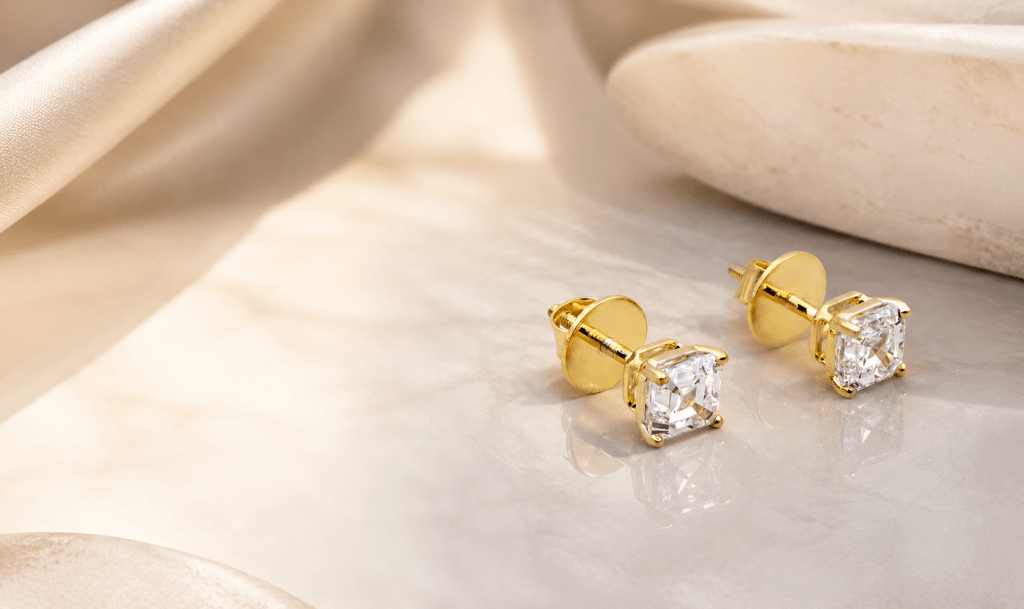

Diamond stud earrings are a jewelry staple because their design places the focus directly on the diamond. While diamond shape, size, color and clarity are important, the setting also plays a major role in how the finished earrings look and feel. The setting holds the diamond securely, affects how much of the stone is visible and can influence how the earrings sit on the ear.
For buyers considering lab grown diamond stud earrings, understanding the available setting styles can make the selection process much easier. A round diamond can look quite different in a four-prong setting compared with a bezel or martini setting. The right choice depends on personal taste, daily activities and the overall appearance you prefer.
Why Does the Earring Setting Matter?
An earring setting is the metal structure that secures the diamond in place. It determines how the diamond is presented and how much metal surrounds it. Some settings expose more of the diamond, while others offer greater protection around the edges.
The setting can also affect comfort. A low-profile design may sit closer to the earlobe, while a martini-style setting can create a more prominent appearance. Buyers should therefore consider both appearance and practicality before making a decision.
Prong Settings
The prong setting is one of the most recognized choices for diamond studs. Small metal prongs hold the diamond around its outer edge while leaving much of the stone visible.
Four-prong settings are especially popular because they provide a balanced appearance and can make a round diamond appear slightly square from a distance. Three-prong versions are often used for round diamonds and create a cleaner outline around the stone.
Prong settings are suitable for buyers who want the diamond to remain the main visual feature of the earrings. However, prongs should be checked periodically to make sure they remain secure.
Basket Settings
A basket setting uses a metal framework beneath and around the diamond. The design creates a structured base that holds the stone securely while allowing the diamond to remain visible from the front.
This style is often chosen for its combination of security and traditional design. The basket can also provide support for larger diamonds, making it a practical option for those seeking a more substantial pair of studs.
Many diamond stud earrings for women use basket settings because they offer a versatile balance between everyday wear and a refined jewelry design.
Martini Settings
Martini settings have a distinctive three-pointed shape that resembles a martini glass when viewed from the side. The diamond sits within this tapered structure, which can allow the stone to rest closer to the ear.
One benefit of this design is its ability to reduce the amount of visible metal around the diamond. This creates a cleaner presentation from the front. Martini settings are commonly used with round diamonds, although other diamond shapes may also be incorporated.
A buyer looking for a setting that keeps the diamond visually prominent may find this style appealing.
Bezel Settings
A bezel setting surrounds part or all of the diamond with a metal rim. Unlike prong settings, which expose more of the diamond’s edges, a bezel provides a more enclosed structure.
This can be a useful option for people with active lifestyles because the metal offers additional protection around the stone. Full bezel settings completely surround the diamond, while partial bezels leave sections of the stone visible.
The overall appearance is different from a traditional prong-set stud. A bezel can create a bold outline around the diamond and give the earrings a more defined shape.
Halo Settings
A halo setting places a center diamond in the middle of a border of smaller diamonds. This arrangement can create the appearance of a larger overall earring.
Halo studs can work with round, oval, cushion and other diamond shapes. The smaller diamonds surrounding the center stone add detail to the design and create a broader visual profile.
This setting is often selected by buyers who want additional diamond coverage without choosing an extremely large center stone.
Screw-Back and Push-Back Closures
The setting is not the only feature to consider. The backing system is also important for security and comfort.
Push-back closures are easy to put on and remove, making them a common choice for daily wear. Screw-back closures require the earring back to be twisted onto the post, providing an additional level of security.
The best choice depends on how often the earrings are worn and how much security the buyer wants. Larger or more valuable diamonds may lead some buyers to prefer screw-back designs.
Choosing the Right Setting for Lab-Grown Diamond Studs
When selecting lab diamond stud earrings, start by considering how often you plan to wear them. For everyday use, a secure and comfortable design may be the priority. For a more open view of the diamond, prong or martini settings may be preferred.
The diamond shape should also be considered. Round diamonds work well with three-prong, four-prong and martini settings. Princess, cushion and other square-shaped diamonds can look particularly well-balanced in four-prong or basket settings.
Metal choice is another factor. White gold can create a similar visual tone around a colorless diamond, while yellow gold adds contrast. Platinum is valued for its strength and durability.
Finding a Style That Works for You
There is no single setting that suits every buyer. A bezel setting may be ideal for someone who wants additional protection, while a martini setting may appeal to someone who wants minimal metal around the diamond. A classic four-prong design remains a popular choice because of its straightforward appearance and versatility.
When comparing options, it is useful to look at the earrings from multiple angles. Consider how far the setting extends from the ear, how the backing feels and whether the design fits your regular wardrobe and activities.
If you are comparing different styles, see More options of best lab grown diamond stud earrings to explore options based on diamond size, setting design and metal choice.
Brands such as Antiquecut offer diamond jewelry designs that allow buyers to consider different stone shapes, settings and overall details before selecting a pair.
Final Thoughts
Diamond stud earrings may appear simple from the front, but the setting behind each diamond has a significant effect on security, comfort and appearance. Prong, basket, martini, bezel and halo settings each present the diamond differently and suit different preferences.
Whether you are considering lab created diamond stud earrings for regular wear or searching for a pair with a specific setting style, understanding these design differences can help you make a more informed choice. Look closely at the construction, diamond shape, metal and backing system to find earrings that meet your needs and match the way you plan to wear them.