
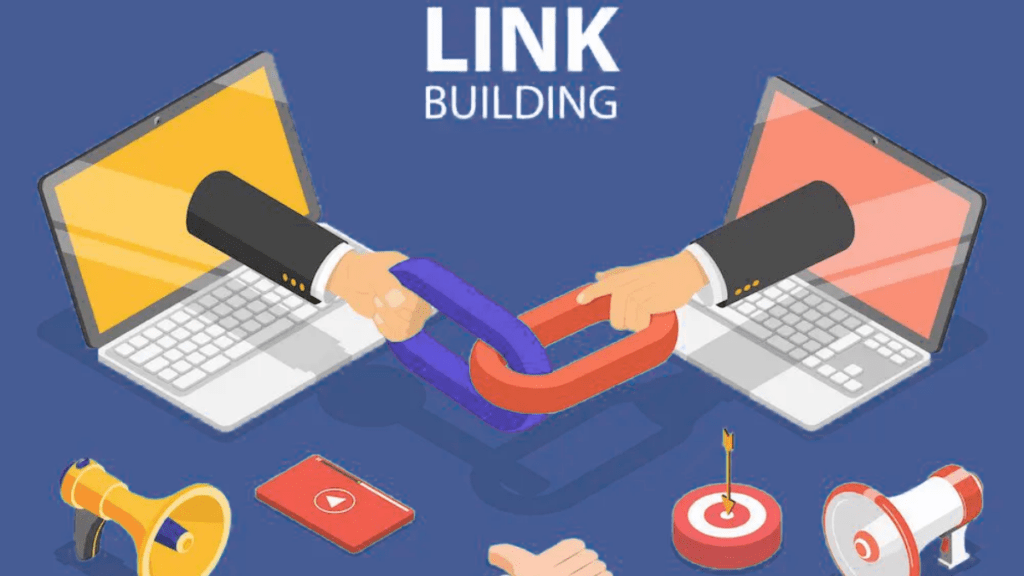

Backlinks remain one of the most important ranking factors in SEO, but earning quality links has become increasingly difficult. Many website owners assume that acquiring backlinks requires expensive outreach campaigns, paid placements, or large marketing budgets. While paid opportunities exist, some of the strongest backlinks on the web are earned without spending a single dollar.
This is where Digital PR comes into play.
Digital PR combines traditional public relations techniques with modern content marketing and SEO strategies. Instead of buying links or relying on outdated link-building tactics, Digital PR focuses on creating stories, resources, and insights that journalists, bloggers, and publishers genuinely want to reference.
In 2026, Digital PR has become one of the most effective ways to build authority, increase brand visibility, and earn high-quality backlinks from reputable websites. The best part is that many of these opportunities are available to businesses of all sizes, including startups, bloggers, and small websites.
What Is Digital PR and Why Does It Matter?
Digital PR is the process of generating online media coverage and brand mentions that often result in backlinks from authoritative websites.
Unlike traditional link building, which frequently involves direct outreach for links, Digital PR focuses on creating something newsworthy or valuable enough that publishers choose to reference it naturally.
When executed correctly, Digital PR can help you earn backlinks from:
- News websites
- Industry publications
- Business blogs
- Educational websites
- Niche-specific media outlets
These backlinks often carry more SEO value than links acquired through conventional methods because they come from trusted and relevant sources.
Beyond SEO, Digital PR also helps increase brand awareness, referral traffic, and credibility.
Why High-Authority Backlinks Are So Valuable
Search engines view backlinks as signals of trust and authority.
When respected websites link to your content, they are essentially recommending your website as a reliable source of information.
However, not all backlinks provide equal value.
A single backlink from a major industry publication can often have a greater impact than dozens of links from low-quality websites.
High-authority backlinks can help:
- Improve keyword rankings
- Increase organic traffic
- Strengthen domain authority
- Enhance brand credibility
- Accelerate content discovery
This is why Digital PR has become a preferred strategy for many SEO professionals.
Create Original Data and Research
One of the most effective Digital PR techniques is publishing original research.
Journalists constantly need fresh statistics and unique insights to support their stories. If your website provides data that isn’t available elsewhere, media outlets are more likely to cite it.
You don’t need a massive research team to accomplish this.
Simple methods include:
- Industry surveys
- Customer polls
- Market analysis
- Trend reports
- Internal data studies
For example, if you run a marketing website, you could survey business owners about their AI adoption strategies and publish the findings.
When journalists cover the topic, they may reference your research and link back to your website.
Turn Expertise Into Newsworthy Insights
Many businesses overlook the value of their own expertise.
If you have experience within a particular industry, your insights can become a valuable resource for journalists and content creators.
Instead of publishing generic blog posts, focus on sharing:
- Predictions
- Industry analysis
- Emerging trends
- Expert commentary
- Case studies
News outlets often seek expert opinions when covering industry developments.
Providing thoughtful insights increases your chances of earning mentions and backlinks.
Use Newsjacking Responsibly
Newsjacking involves contributing valuable commentary to breaking news stories.
When major developments occur in your industry, journalists frequently look for expert sources who can explain the implications.
Responding quickly can position your brand as a trusted authority.
For example, if Google announces a major algorithm update, SEO professionals who provide expert analysis may earn coverage from marketing publications.
The key is relevance and speed. Your contribution should add genuine value rather than simply trying to capitalize on trending topics.
Create Resources People Naturally Want to Link To
Some content attracts backlinks because it solves problems exceptionally well.
Examples include:
- Comprehensive guides
- Free tools
- Calculators
- Templates
- Checklists
- Industry reports
These resources often become reference materials that other websites naturally link to over time.
The most successful Digital PR campaigns frequently begin with creating something genuinely useful.
If your resource saves people time or helps them solve a problem, it becomes easier for publishers to justify linking to it.
Build Relationships With Journalists
Digital PR is ultimately about relationships.
Journalists receive countless pitches every day, making trust an important factor.
Rather than contacting reporters only when you need coverage, focus on building long-term relationships.
Follow industry journalists on social media, engage with their work, and understand the topics they cover.
When you eventually share a story or insight, your pitch will feel more relevant and credible.
Over time, these relationships can lead to recurring media opportunities.
Leverage Expert Roundups
Expert roundups remain an effective way to earn visibility and backlinks.
The concept is simple: gather opinions from multiple experts on a specific topic and publish them in a single article.
Participants often share the content with their audiences, increasing reach and backlink opportunities.
Additionally, being featured in someone else’s expert roundup can generate valuable links and exposure.
The key is contributing thoughtful responses that stand out from generic advice.
Publish Contrarian or Unique Perspectives
Many websites publish similar content.
One way to attract attention is by presenting a fresh perspective.
If everyone in your industry agrees on a particular topic, offering a well-supported alternative viewpoint can generate discussion and media interest.
This doesn’t mean being controversial for the sake of attention.
Instead, focus on providing evidence-based insights that challenge conventional assumptions.
Unique perspectives often attract backlinks because they contribute something new to the conversation.
Optimize Content for Journalists
Journalists work under tight deadlines.
The easier you make their job, the more likely they are to reference your content.
When creating Digital PR assets:
- Use clear headlines
- Include supporting data
- Provide expert quotes
- Make information easy to verify
- Offer downloadable resources when relevant
Well-organized content increases the likelihood of being cited in articles and reports.
The Role of Brand Authority in Digital PR
As search engines continue to prioritize trust and expertise, brand authority has become increasingly important.
Digital PR helps establish authority by placing your brand in front of larger audiences and respected publications.
Over time, consistent media coverage can lead to:
- More backlinks
- Increased branded searches
- Higher trust signals
- Greater visibility in search results
For businesses and publishers following SEO trends on Bumppy, Digital PR represents one of the most sustainable methods for building authority without relying on paid link acquisition.
Common Digital PR Mistakes to Avoid
Many campaigns fail because they focus on promotion rather than value.
Some common mistakes include:
- Sending generic outreach emails
- Pitching irrelevant stories
- Creating data without context
- Ignoring journalist needs
- Prioritizing quantity over quality
Successful Digital PR campaigns begin with understanding what publishers and audiences genuinely find useful.
Measuring Digital PR Success
While backlinks are often the primary goal, they shouldn’t be the only metric you track.
Consider monitoring:
- Media mentions
- Referral traffic
- Brand searches
- Social shares
- Organic rankings
- Audience growth
These indicators provide a broader view of campaign effectiveness.
Frequently Asked Questions
What is Digital PR?
Digital PR is a marketing strategy that combines public relations, content marketing, and SEO to earn media coverage and high-quality backlinks.
Why is Digital PR important for SEO?
Digital PR helps websites earn authoritative backlinks, which can improve rankings, visibility, and organic traffic.
Can small businesses use Digital PR?
Yes. Small businesses can generate media attention through unique insights, original data, and valuable content.
Are Digital PR backlinks better than paid links?
In many cases, yes. Naturally earned backlinks from reputable websites often provide stronger long-term SEO value.
How do journalists find sources?
Journalists often look for experts, data, case studies, and industry insights that support their stories.
What type of content earns the most backlinks?
Original research, comprehensive guides, tools, statistics, and expert commentary tend to attract the most links.
How long does Digital PR take to show results?
Results vary, but consistent Digital PR efforts often generate backlinks and visibility over several months.
Conclusion
Digital PR has become one of the most powerful ways to earn high-authority backlinks without paying for placements. By focusing on original research, expert insights, newsworthy content, and genuine relationship-building, businesses can attract valuable media coverage and improve their SEO performance naturally.
Unlike short-term link-building tactics, Digital PR creates long-lasting benefits by strengthening brand authority, increasing visibility, and generating backlinks from trusted sources. As search engines continue rewarding expertise and credibility, investing in Digital PR is becoming less of an option and more of a necessity for websites seeking sustainable growth in 2026 and beyond.
for more click here