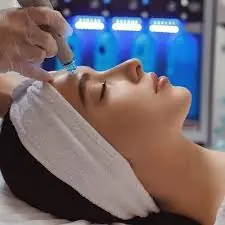

Healthy-looking skin begins with understanding its individual needs. Although HydraFacial is a popular facial treatment for cleansing, exfoliation, hydration, and improving overall skin appearance, not every person has the same skin concerns. Some people experience clogged pores and excess oil, while others struggle with dryness, uneven texture, dullness, or visible fine lines. Identifying these concerns before treatment helps determine the most appropriate approach.
At Tajmeels Clinic, understanding the skin’s condition is an important part of planning HydraFacial Treatment in Dubai. A personalised assessment helps establish realistic expectations and supports a treatment approach that considers individual skin characteristics.
Why Is Skin Assessment Important Before HydraFacial?
A skin assessment helps identify the concerns that should be addressed during a HydraFacial session. Without understanding the skin’s current condition, it may be difficult to select suitable treatment options.
For example, oily skin may require more attention to excess sebum and clogged pores, whereas dehydrated skin may benefit from an approach that prioritises moisture. Similarly, sensitive skin requires careful consideration of its tolerance to exfoliation and skincare ingredients.
A professional assessment also helps identify conditions that may need separate medical attention rather than routine facial treatment. This makes consultation an important step in responsible skincare planning.
1. Evaluating Skin Type and Natural Characteristics
The first consideration is understanding the person’s skin type. Skin may generally be classified as oily, dry, combination, or normal. However, its condition can change because of environmental exposure, age, hormonal fluctuations, and skincare habits.
During an assessment, relevant characteristics may include:
-
Oily skin: Excess sebum, enlarged-looking pores, and frequent congestion.
-
Dry skin: Flakiness, tightness, and reduced surface moisture.
-
Combination skin: Oiliness around the forehead, nose, and chin with dryness in other areas.
-
Sensitive skin: Redness, irritation, or discomfort following certain skincare products.
-
Normal skin: Generally balanced oil and moisture levels.
Understanding these characteristics helps determine which areas need additional attention and whether HydraFacial is appropriate.
2. Identifying Dehydration and Moisture Imbalance
Dehydration is a common skin concern that can affect different skin types, including oily skin. It occurs when the skin lacks sufficient water, potentially creating a tight, dull, or less smooth appearance.
A professional assessment considers signs such as rough texture, temporary fine lines, flakiness, and reduced surface comfort. The practitioner may also ask about daily water intake, environmental exposure, and skincare habits.
HydraFacial uses a combination of cleansing, exfoliation, and hydration-focused steps. Depending on individual suitability, these stages may help improve the appearance of dehydrated skin and support a smoother, more refreshed complexion.
However, persistent dryness or irritation may indicate an underlying skin condition that requires medical evaluation.
3. Checking Pores, Blackheads, and Skin Congestion
Blocked pores and blackheads can make the skin appear uneven and congested. Excess oil, dead skin cells, and accumulated impurities may contribute to these concerns.
During the consultation, the practitioner examines areas where congestion is more noticeable, particularly around the nose, forehead, and chin.
The assessment may consider:
-
The visibility of blackheads and whiteheads.
-
The appearance of enlarged pores.
-
Excess surface oil.
-
Uneven skin texture.
-
Areas with recurring congestion.
HydraFacial includes a cleansing and extraction process designed to remove impurities from pores. Identifying the extent of congestion helps determine whether this treatment is suitable for the person’s skin condition.
4. Assessing Skin Texture and Uneven Tone
Skin texture and tone are also important factors when planning a facial treatment. Some individuals experience roughness caused by dead skin cell accumulation, while others notice uneven pigmentation or a lack of radiance.
The practitioner may examine the skin for:
-
Rough or uneven surface texture.
-
Dull-looking areas.
-
Mild visible discolouration.
-
The appearance of fine lines.
-
Areas with accumulated dead skin cells.
HydraFacial exfoliation helps remove surface dead skin cells, which may improve the appearance of dullness and uneven texture. However, deeper pigmentation, melasma, and significant acne scarring may require different treatment options.
An accurate assessment helps avoid expecting one facial procedure to address every skin concern.
5. Reviewing Skin Sensitivity and Existing Skincare Habits
A person’s skincare routine can influence how their skin responds to professional treatments. Products containing retinoids, exfoliating acids, or other active ingredients may increase sensitivity in some individuals.
The practitioner may ask about:
-
Current cleansers and moisturisers.
-
Retinol and exfoliating product use.
-
Previous facial treatments.
-
Allergies or known ingredient sensitivities.
-
Recent redness, irritation, or skin reactions.
This information helps identify possible factors that could affect treatment suitability. If the skin is actively irritated, inflamed, or affected by certain skin conditions, postponing HydraFacial may be more appropriate.
6. Understanding Individual Skin Goals
Not everyone seeks HydraFacial for the same reason. Some people want a refreshed appearance before an event, while others want to maintain hydration or improve the appearance of congested skin.
Understanding these goals helps create a more focused treatment plan.
For example, someone concerned about dullness may need a different treatment emphasis from someone primarily experiencing clogged pores. The practitioner can discuss realistic outcomes, possible limitations, and whether additional skincare treatments may be necessary.
How Tajmeels Clinic Personalises HydraFacial Treatment
At tajmeels clinic dubai, the HydraFacial consultation focuses on understanding individual skin characteristics rather than recommending an identical approach for everyone. The assessment considers skin type, hydration levels, congestion, sensitivity, texture, and personal skincare goals.
Based on these observations, the clinic can determine whether HydraFacial is appropriate and discuss suitable treatment options. Individual factors may also influence the selection of treatment steps and skincare products.
This personalised approach helps patients understand what the procedure can realistically achieve. It also allows potential concerns, contraindications, and alternative treatment options to be discussed before proceeding.
What Should You Expect After a HydraFacial Assessment?
Following the assessment, patients should have a clearer understanding of their skin concerns and the proposed treatment approach.
Depending on individual suitability, HydraFacial may help with:
-
Improving the appearance of dull skin.
-
Removing surface impurities.
-
Supporting skin hydration.
-
Improving the appearance of congested pores.
-
Creating a smoother-looking skin texture.
-
Maintaining a refreshed complexion.
Results vary depending on skin condition, lifestyle, and individual response. Maintaining a suitable skincare routine and using daily sun protection can also support overall skin health.
Conclusion
Identifying skin concerns before HydraFacial treatment is essential for developing an appropriate and personalised skincare approach. Evaluating skin type, hydration, pore congestion, sensitivity, and individual goals helps determine whether the treatment is suitable. At Tajmeels Clinic, a consultation-based approach supports informed decisions and helps patients understand how HydraFacial may address their specific skincare needs.