
Hair thinning at the crown is a common concern among men and women. This area, located at the top and back of the head, can gradually become more visible as hair density decreases. Some people notice a wider thinning patch, while others experience weaker strands and increased scalp visibility under bright lighting. Hair fillers are one treatment option that people may explore when looking for ways to support scalp and hair health.
However, understanding the possible benefits, limitations, and suitability of hair fillers in Dubai is important before considering treatment. Individual hair loss patterns and underlying causes can influence the results.
Understanding Hair Thinning at the Crown
Crown hair thinning can develop gradually and may be associated with several factors. Genetic hair loss, hormonal changes, ageing, nutritional deficiencies, stress, and certain medical conditions can contribute to reduced hair density.
In some individuals, hair follicles become progressively smaller, producing finer and shorter strands. This process can make the crown appear less covered over time.
Identifying the cause is an important first step because different types of hair loss require different management approaches. A professional scalp assessment can help determine whether hair fillers may be an appropriate option or whether another treatment is more suitable.
What Are Hair Fillers?
Hair fillers are injectable treatments designed to support scalp and hair health. Depending on the formulation, they may contain peptides, hyaluronic acid, amino acids, or other ingredients intended to improve the scalp environment and support follicular activity.
Unlike traditional dermal fillers used to add volume to facial areas, hair fillers are specifically developed for scalp-related concerns.
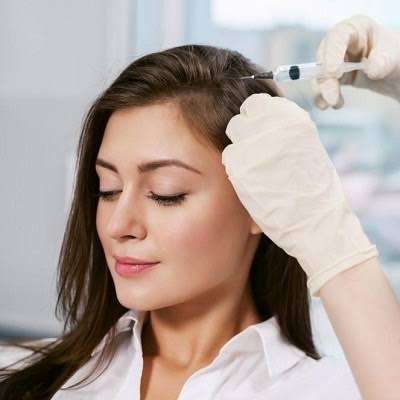
The treatment involves administering the selected formulation into targeted areas of the scalp using small injections. The objective is to support healthier hair conditions and potentially improve the appearance of thinning areas.
The ingredients and expected effects vary between products, so patients should understand the specific formulation being recommended.
Can Hair Fillers Help With Crown Thinning?
Hair fillers may be considered for certain individuals experiencing early hair thinning or reduced hair density around the crown. Their potential benefits depend on the cause and severity of hair loss, the condition of existing follicles, and the treatment formulation.
Some hair filler formulations are designed to support the scalp environment and follicular function. This may help improve the appearance of hair quality and thickness in suitable candidates.
However, hair fillers should not be considered a guaranteed solution for crown baldness. If follicles have become permanently inactive or the area has significant advanced hair loss, injectable treatment may have limited benefits.
A realistic assessment is necessary to understand what improvements may be achievable.
How Does Hair Filler Treatment Work?
The treatment process generally begins with examining the scalp and identifying areas of reduced density. Once suitability is established, the selected product is administered into specific scalp areas.
The process may involve the following stages:
-
Scalp examination: The practitioner evaluates the crown, existing hair density, and visible thinning patterns.
-
Treatment planning: The formulation and injection approach are selected according to individual concerns.
-
Scalp preparation: The treatment area is cleaned before injections.
-
Injection procedure: Small amounts of the selected product are administered into targeted areas.
-
Aftercare guidance: Patients receive instructions to support scalp care and recovery.
The number of sessions and intervals between appointments depend on the product used and the individual’s response.
Who May Be Suitable for Crown Hair Fillers?
Hair fillers may be considered by people experiencing mild to moderate hair thinning, particularly when some existing hair growth remains in the affected area.
Potential candidates may include individuals who:
-
Notice reduced hair density around the crown.
-
Have weaker or finer hair strands.
-
Experience early signs of pattern hair loss.
-
Want to explore non-surgical hair treatment options.
-
Have realistic expectations about injectable scalp treatments.
However, not everyone is a suitable candidate. People experiencing sudden hair loss, active scalp infections, unexplained patchy baldness, or certain medical conditions may require further investigation before treatment.
Pregnancy, breastfeeding, allergies, and medication use should also be discussed during consultation.
Factors That Influence Hair Filler Results
Several factors can influence how someone responds to hair filler treatment. Understanding these factors helps establish realistic expectations.
Cause of hair loss: Genetic, hormonal, nutritional, and medical causes may respond differently to treatment.
Follicle condition: Existing follicles and their level of activity can influence potential improvement.
Treatment formulation: Different products contain different ingredients and may have varying evidence and intended effects.
Overall scalp health: Inflammation, irritation, and other scalp conditions may affect treatment suitability.
Consistency of care: Following professional recommendations and attending appropriate follow-up appointments can help monitor progress.
It is important to remember that individual results vary, and hair fillers do not guarantee new hair growth.
Hair Fillers Compared With Other Hair Treatments
Hair fillers are not the only option for managing crown thinning. Depending on the diagnosis, healthcare professionals may discuss topical treatments, prescription medications, platelet-rich plasma (PRP), or hair transplantation.
Topical and prescription treatments may help manage certain forms of hair loss. PRP uses components derived from a patient’s own blood and is intended to support hair restoration in selected cases. Hair transplantation may be considered when permanent hair loss has developed and suitable donor hair is available.
Each option has different benefits, limitations, and suitability requirements. A personalised treatment plan is more appropriate than selecting a procedure based only on popularity.
Why Choose Tajmeels Clinic for Hair Filler Consultation?
At tajmeels clinic dubai, individuals considering hair fillers in Dubai can discuss crown thinning and their hair restoration concerns through a professional consultation. The assessment can focus on existing hair density, scalp condition, hair loss patterns, and individual treatment goals. Understanding the possible causes of thinning helps determine whether hair fillers are appropriate or whether alternative treatments should be considered. Patients can also discuss expected outcomes, treatment planning, possible side effects, and aftercare requirements before making a decision.
What Should You Expect After Hair Filler Treatment?
Mild redness, tenderness, swelling, or temporary sensitivity may occur after scalp injections. These effects are generally temporary, but patients should follow the aftercare instructions provided by their practitioner.
Avoiding unnecessary scalp irritation and following guidance about washing, exercise, and hair products may support recovery.
Follow-up appointments can help evaluate the scalp and determine whether additional treatment is appropriate. Patients should seek medical advice if they experience severe pain, increasing swelling, signs of infection, or unexpected symptoms.
Final Thoughts
Hair fillers may offer an option for individuals concerned about early crown thinning, particularly when existing hair follicles remain active. However, their effectiveness depends on the underlying cause of hair loss, product formulation, and individual scalp condition. A professional assessment is essential for determining suitability and comparing available treatment options. Understanding the limitations of hair fillers can help individuals make informed decisions about their hair restoration journey.