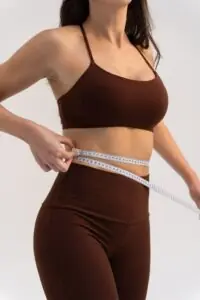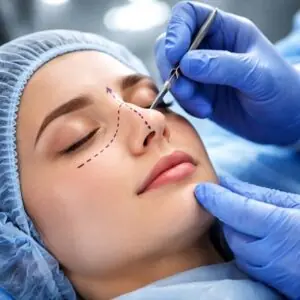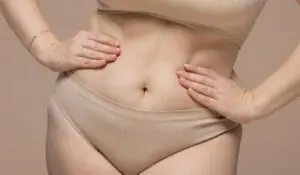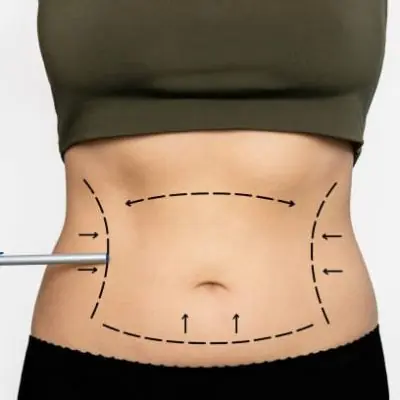

Liposuction Surgery in Dubai is an important part of maintaining a healthy body, improving fitness, and supporting weight management. However, some people notice that certain areas of fat remain even after following consistent workout routines. Common areas include the abdomen, waist, hips, thighs, and lower back. These stubborn fat deposits can sometimes make it difficult to achieve the body shape a person wants.
It is important to understand that fat distribution is influenced by several factors, including genetics, hormones, age, lifestyle, and individual body composition. Exercise can reduce overall body fat, but it does not always remove fat from specific areas. Understanding these factors can help individuals make informed decisions about body contouring options, including liposuction surgery in Dubai.
Why Does Stubborn Fat Remain Despite Regular Exercise?
Stubborn fat refers to fat deposits that are particularly resistant to changes in body shape. Even when someone exercises regularly and follows a balanced lifestyle, certain areas may respond more slowly than others.
The body does not burn fat equally from every region. During physical activity, energy is obtained from different fat stores throughout the body. Therefore, performing abdominal exercises does not necessarily mean that abdominal fat will disappear first.
Individual fat distribution patterns also influence which areas become leaner more quickly.
Genetic Factors and Natural Fat Distribution
Genetics play an important role in determining where the body stores fat. Some individuals naturally accumulate more fat around their abdomen, while others tend to store it around their hips, thighs, or lower body.
These inherited characteristics can influence body proportions and the way fat deposits respond to exercise.
For example, two people following similar workout routines may experience different physical changes because their bodies have different genetic characteristics. This is one reason why achieving identical body shapes through exercise is not realistic.
Hormonal Changes and Fat Storage
Hormones influence metabolism, appetite, and the way the body stores energy. Changes in hormonal activity can affect fat distribution in different stages of life.
For example, hormonal fluctuations associated with ageing, menopause, and other physiological changes may contribute to increased fat storage around the abdomen.
Stress can also influence lifestyle habits and hormonal responses. Poor sleep and prolonged stress may affect appetite regulation and make weight management more challenging.
However, stubborn fat should not automatically be attributed to hormonal imbalance. Individuals experiencing unexplained weight changes may benefit from an appropriate medical assessment.
Why Exercise Cannot Target Specific Fat Areas
One common misconception is that exercising a particular body part will directly remove fat from that location. This is often called spot reduction.
For example, abdominal crunches strengthen the abdominal muscles, but they do not specifically eliminate the fat covering those muscles.
Similarly, leg exercises improve muscle strength and endurance but cannot guarantee fat reduction in the thighs.
A combination of cardiovascular activity, resistance training, and balanced nutrition can support overall fat reduction. However, the order in which different body areas lose fat depends on individual characteristics.
The Role of Age and Skin Elasticity
Age-related changes can also influence body composition. As people grow older, muscle mass may gradually decrease, while metabolism and fat distribution can change.
Skin elasticity is another important consideration. Collagen and elastin help maintain skin firmness, but their natural production decreases with age.
Even when exercise reduces body fat, changes in skin elasticity may affect how the body appears. This is particularly noticeable around the abdomen, upper arms, and thighs.
Understanding the difference between excess fat and loose skin is important when considering body contouring treatments.
Can Liposuction Help With Stubborn Fat Deposits?
Liposuction is a surgical body-contouring procedure designed to remove localised deposits of fat from selected areas. It may be considered by individuals who have persistent fat pockets despite maintaining a relatively stable weight and healthy lifestyle.
Common treatment areas include:
-
Abdomen and stomach
-
Waist and flanks
-
Thighs and hips
-
Upper arms
-
Lower back
-
Chin and neck
Liposuction uses specialised techniques to remove fat cells from targeted areas and improve body contours. However, it is not a weight-loss procedure, an obesity treatment, or a substitute for regular exercise and healthy nutrition.
Results depend on factors such as skin elasticity, fat distribution, individual anatomy, and the surgical approach. Patients should also understand that remaining fat cells can enlarge with significant weight gain after surgery.
Who May Be Suitable for Liposuction?
Liposuction may be suitable for adults who have localised fat deposits that do not respond as expected to lifestyle changes.
A suitable candidate generally has:
-
A relatively stable body weight.
-
Localised areas of excess fat.
-
Realistic expectations about surgical results.
-
Good general health.
-
Sufficient skin elasticity for the expected outcome.
People with significant loose skin, certain medical conditions, or unrealistic expectations may require alternative approaches. A qualified surgeon must evaluate individual suitability before recommending surgery.
How Tajmeels Clinic Approaches Liposuction Assessment in Dubai
At tajmeels clinic dubai, liposuction planning should begin with an individual assessment of body shape, fat distribution, skin condition, and personal goals. Understanding why stubborn fat remains can help patients explore whether surgical body contouring is an appropriate option.
The consultation process may include reviewing medical history, discussing previous weight changes, assessing targeted body areas, and explaining realistic treatment outcomes. Patients should also receive information about potential risks, recovery expectations, and available surgical approaches.
A personalised treatment plan is important because every individual has different anatomical features and body-contouring requirements. The final recommendation should always be based on medical suitability rather than a particular body-shape expectation.
Maintaining Body Contours After Liposuction
Maintaining a stable weight is important after liposuction. Although the procedure removes fat cells from selected areas, it does not prevent future weight gain.
Patients can support their long-term results through consistent healthy habits, including:
-
Following a balanced and nutritious diet.
-
Maintaining regular physical activity.
-
Including strength training in their fitness routine.
-
Drinking sufficient water.
-
Following post-operative instructions.
-
Attending recommended follow-up appointments.
Recovery recommendations vary depending on the procedure and individual healing process. Patients should follow their surgeon’s guidance before returning to strenuous exercise.
Conclusion
Stubborn fat can remain despite regular exercise because genetics, hormones, age, skin elasticity, and natural fat distribution influence how the body stores and loses fat. While exercise supports overall health and weight management, it cannot specifically target individual fat deposits.
For people struggling with localised fat pockets, liposuction may offer a body-contouring option when medically appropriate. A professional consultation can help determine whether the procedure aligns with individual needs and expectations.