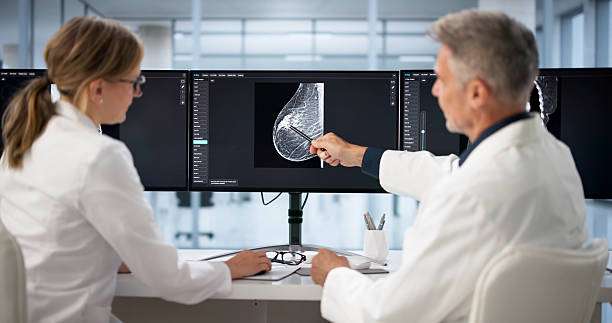

Understanding the technical stages of a Mammogram in Dubai can help patients know how breast imaging is performed and why each step matters. Mammography follows a structured process involving patient assessment, equipment positioning, image acquisition and radiological interpretation. Each stage contributes to obtaining images that allow specialists to examine breast tissue and identify findings that may need further evaluation.
What Are the Main Stages of a Mammogram in Dubai?
A mammography examination involves more than simply taking X-ray images. The process requires appropriate preparation, accurate positioning and careful image assessment.
The main stages include:
-
Patient registration and medical information review.
-
Confirmation of the examination type.
-
Positioning in front of the mammography equipment.
-
Breast compression and image acquisition.
-
Image quality assessment.
-
Radiologist interpretation and reporting.
Each stage serves a specific purpose in producing useful diagnostic information.
Stage One: Patient Assessment Before Imaging
Before beginning the examination, the imaging team reviews relevant medical information. This helps establish why the mammogram has been requested and whether any special considerations are necessary.
The patient may be asked about previous breast imaging, surgical procedures, implants, symptoms and medical history.
Why Medical History Matters for Mammogram in Dubai
Medical history can influence how breast images are interpreted and whether additional imaging views are required.
For example, a patient with previous breast surgery may have tissue changes that need to be considered during image assessment. Similarly, a patient with a previously identified abnormality may require focused imaging.
Providing accurate information helps the radiology team understand the examination requirements.
Stage Two: Selecting the Appropriate Imaging Approach
Not every mammogram follows exactly the same protocol. The imaging approach depends on whether the examination is intended for routine screening or investigation of a particular concern.
Screening examinations generally follow standard imaging views, while diagnostic examinations may require additional angles or targeted imaging.
The healthcare professional determines the appropriate approach according to the clinical indication.
What Determines the Imaging Views?
Several factors can influence the number and type of images required:
-
Whether one or both breasts need examination.
-
The location of a previously identified finding.
-
Breast size and anatomical characteristics.
-
Previous surgery or implants.
-
Whether additional areas require closer evaluation.
The technologist follows the prescribed imaging protocol while ensuring that the necessary tissue is included.
Stage Three: Positioning the Patient and Mammography Equipment
Positioning is an important technical part of mammography. The patient stands in front of the imaging machine while the technologist carefully places the breast on the detector platform.
The arm, shoulder and upper body may need to be adjusted to obtain the required view.
The patient is guided through each movement to ensure that the breast is positioned appropriately.
Why Correct Positioning Matters During Mammogram in Dubai
Poor positioning can leave certain areas of breast tissue outside the image or create unnecessary overlap.
Proper positioning helps improve the visibility of breast structures and supports a more complete examination.
The technologist may adjust the position several times to capture different views.
Stage Four: Breast Compression and Image Acquisition
Once the breast is positioned, the machine applies controlled compression using a transparent plate.
This temporary pressure helps spread the breast tissue into a thinner layer. It can reduce tissue overlap, improve image clarity and limit the radiation dose required to obtain useful images.
The X-ray system then captures the required images.
Compression is released after each image has been obtained.
Stage Five: Checking the Quality of Mammography Images
After image acquisition, the technologist checks whether the required views are technically satisfactory.
Image quality is important because unclear or incomplete images may make interpretation more difficult.
The team may request additional views if:
-
An important area is not fully visible.
-
Patient movement has affected image clarity.
-
The positioning needs correction.
-
A particular region requires closer examination.
Additional images do not automatically indicate that an abnormality has been detected.
Stage Six: Radiologist Interpretation and Reporting
The images are reviewed by a qualified radiologist who evaluates the breast tissue for unusual characteristics.
The assessment may include reviewing breast density, masses, calcifications, asymmetry and changes in tissue structure.
The radiologist prepares a report describing the findings and any recommended follow-up.
How Are Mammogram in Dubai Findings Classified?
Breast imaging reports may use the BI-RADS classification system, which helps standardise communication about mammography and other breast imaging findings.
The categories generally range from incomplete assessment to benign findings, probably benign findings and abnormalities requiring further evaluation.
A BI-RADS assessment helps guide clinical decisions, but the result should always be interpreted alongside the patient’s medical history and examination.
What Happens If Additional Imaging Is Required?
Sometimes the initial examination does not provide enough information to reach a clear conclusion.
Depending on the findings, the radiologist may recommend additional mammogram views, ultrasound, MRI or tissue sampling.
The purpose of further investigation is to understand the nature of the finding rather than automatically assuming that cancer is present.
Patients should follow the reporting team’s instructions and discuss any recommendations with their healthcare professional.
Frequently Asked Questions About Mammogram in Dubai
How many images are taken during mammography?
The number varies according to the examination type and clinical requirements. Routine examinations commonly include standard views of both breasts, while diagnostic assessments may require additional images.
Why does the technologist reposition the breast?
Repositioning helps capture different areas of breast tissue and improves the completeness of the examination.
Is compression required for every mammogram?
Compression is a standard part of conventional mammography because it helps spread breast tissue and improve image quality.
Can the examination be repeated if an image is unclear?
Yes. Additional images may be obtained when the initial views do not meet the required technical standards.
Does the radiologist review images immediately?
Image review procedures vary between facilities. The radiologist interprets the examination and prepares a report according to the facility’s reporting process.
Clinic Note
A well-performed mammogram depends on several technical stages working together. Accurate positioning, appropriate imaging views and qualified interpretation all contribute to the quality of the examination. Patients should understand that additional images are sometimes part of a normal diagnostic process.
Understanding Mammography Services at Tajmeels Clinic
Knowing how breast imaging works can make healthcare decisions more straightforward. Tajmeels Clinic encourages patients to understand their examination requirements and seek professional guidance about suitable breast assessment options.
Contact Tajmeels Clinic to discuss mammography services, ask questions about the imaging process and arrange a consultation based on your individual needs.