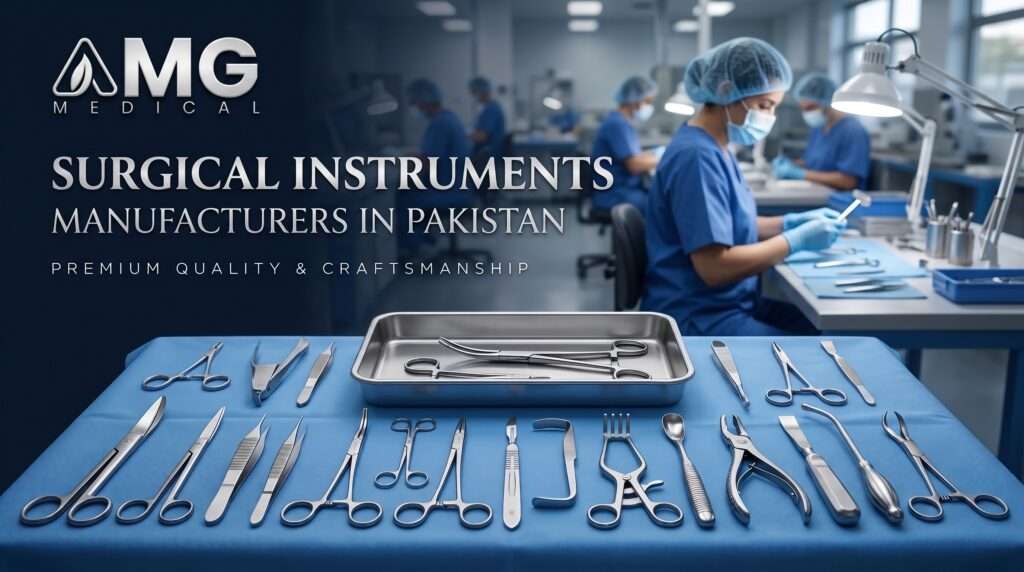

Surgical instruments are an important part of modern healthcare. Doctors and surgeons use these tools during medical procedures to cut, hold, clamp, stitch, and handle tissue. Hospitals and clinics need reliable instruments to support daily medical work and provide suitable care to patients.
Pakistan has an established surgical instrument industry that supplies products to local and international markets. Manufacturers produce different types of medical tools for general surgery, dental care, orthopedic procedures, gynecology, and other medical fields.
Choosing surgical instruments manufacturers in Pakistan can offer several advantages to hospitals, clinics, medical distributors, and healthcare businesses. These benefits include access to different products, skilled production, competitive pricing, custom designs, and local supply options. Reliable manufacturers can also support buyers through product information and regular communication.
Access to a Wide Range of Instruments
One major advantage is the availability of many types of surgical tools. Manufacturers produce scissors, forceps, clamps, needle holders, retractors, scalpels, and other instruments used in medical procedures.
Different departments need different tools according to their work. General surgery requires basic instruments, while dental, orthopedic, ENT, and gynecology departments may need specialized designs.
A wide product range allows hospitals and distributors to find suitable tools for different needs. It can also make purchasing easier when a manufacturer offers several types of instruments in one place.
Skilled Workers and Manufacturing Experience
Pakistan has a long history of surgical instrument production, with Sialkot being a well-known center for this industry. The manufacturing process involves several tasks, including cutting, shaping, grinding, polishing, assembly, and inspection.
Skilled workers understand how different tools are made and how their design affects their use. Their experience can help manufacturers produce instruments with suitable shapes, grips, joints, and finishes.
Experienced workers also play an important role in checking product details. Careful work at each stage can help reduce defects and support consistent production quality.
Competitive Pricing
Cost is an important factor for hospitals, clinics, and medical distributors when purchasing surgical tools. Manufacturers in Pakistan can offer competitive pricing for different product ranges.
Local production can help buyers reduce some costs linked to long-distance sourcing and shipping. However, the final price depends on the material, design, quantity, finishing, and other production requirements.
Competitive pricing can help healthcare businesses manage their purchasing budgets. Buyers should still compare product quality and specifications rather than choosing instruments based on price alone.
Custom Instrument Production
Every healthcare facility may have different requirements. Some hospitals and medical distributors need instruments with specific sizes, shapes, or features for particular procedures.
Custom surgical instrument suppliers can help meet these needs by producing tools according to agreed designs and specifications. Custom orders may involve changes to an existing product or the development of a new design.
This option can be useful for medical businesses that need instruments for specialized work. Buyers should share clear details about the intended use, measurements, materials, and required features before production begins.
Support for Local Healthcare Facilities
Working with local manufacturers can make it easier for hospitals and medical distributors to communicate about their orders. Buyers can discuss product details, quantities, delivery schedules, and special requirements directly.
Local supply options may also help reduce the time needed to arrange certain purchases. This can be useful for healthcare facilities that need regular supplies of medical tools.
A dependable manufacturer can help buyers plan future orders and maintain a steady supply. Clear communication is important for avoiding confusion and managing purchasing needs.
Export Opportunities and International Supply
Pakistan’s surgical instrument industry supplies products to customers in different countries. Manufacturers and exporters serve medical distributors, hospitals, clinics, and other healthcare businesses around the world.
This international trade creates business opportunities and supports the country’s manufacturing sector. It also allows buyers in other markets to explore products made by Pakistani companies.
To serve international customers, manufacturers need to focus on product quality, packaging, delivery, and communication. They must also understand the rules and requirements that apply to the markets they supply.
Focus on Material Quality
The material used to make a surgical tool affects its strength, durability, and care requirements. Stainless steel is commonly used because it offers strength and resistance to corrosion when properly handled and maintained.
Manufacturers need to select materials that are suitable for the intended use of each instrument. The finished product should also be able to go through the approved cleaning and sterilization process for which it is designed.
Good material selection can help support product life and reliable performance. Buyers should ask manufacturers for accurate information about materials and product specifications before placing an order.
Quality Control and Product Inspection
Quality control is another important advantage of working with manufacturers that follow careful production practices. Each instrument should be inspected to make sure it meets the required design and function.
For example, scissors should open and close smoothly, forceps should provide a suitable grip, and clamps should lock correctly. The surface should also be checked for rough edges, damage, or other defects.
Regular inspection can help identify problems before products are packed and delivered. Buyers should ask about the manufacturer’s quality checks and any relevant standards or certifications.
Better Communication and Customer Support
Good communication helps make the buying process easier. Manufacturers that respond clearly to customer questions can help buyers understand product features, materials, order quantities, and delivery times.
Customer support is especially useful when a buyer needs custom products or has questions about an existing order. Clear product details can also help medical distributors explain the available options to their customers.
Building a strong relationship with a manufacturer can support future orders and make business planning easier. Buyers should look for suppliers who provide accurate information and realistic delivery commitments.
Supporting Different Medical Specialties
Surgical tools are used in many areas of healthcare. General surgery, dentistry, orthopedics, gynecology, ENT, and other specialties require instruments designed for different tasks.
Manufacturers that serve several medical fields can help distributors and healthcare facilities access a broad range of products. This can reduce the need to search for every instrument from a different source.
Specialized products should always match the intended medical procedure. Buyers should review product details and make sure the instruments meet the needs of the professionals who will use them.
Helping the Manufacturing Economy Grow
The surgical instrument industry also supports Pakistan’s economy. Manufacturing creates jobs for skilled workers and provides business opportunities for suppliers, exporters, packaging companies, and other related services.
As businesses grow, they may invest in better machinery, worker training, and improved production methods. These steps can help strengthen the industry and create more opportunities in local and international markets.
A growing manufacturing sector can also encourage product development and improve the range of tools available to healthcare businesses.
How to Choose the Right Manufacturer
Although there are several advantages, buyers should carefully select a suitable supplier. They should review the company’s experience, product range, material details, production methods, quality checks, and delivery capacity.
Requesting samples can help buyers examine the finish and function of an instrument before placing a larger order. It is also useful to ask about product documentation, applicable standards, and after-sales support.
A reliable surgical instrument manufacturer should communicate clearly and provide products that match the agreed specifications. Careful selection can help buyers build a dependable supply relationship.
Conclusion
Surgical instruments manufacturers in Pakistan offer several advantages to hospitals, clinics, medical distributors, and international buyers. These include a wide range of products, skilled workers, competitive pricing, custom production, local supply options, and export opportunities.
Manufacturers also support the healthcare industry by producing tools for different medical specialties. Careful material selection, quality control, and customer support are important for maintaining product standards.
By choosing a reliable manufacturer and checking product quality before purchasing, healthcare businesses can find suitable instruments for their needs and build strong supply relationships.
More Info: Amg Medical