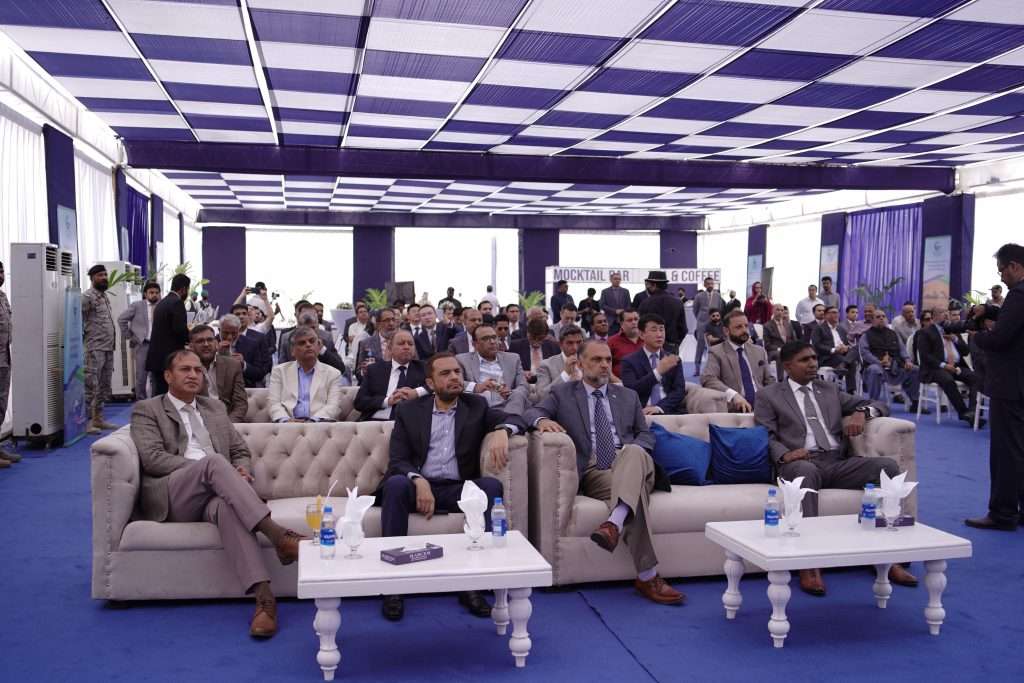

Event Management in Pakistan: Services, Planning and Industry Trends
Event management has become an important part of how businesses communicate, celebrate achievements and engage with their audiences. From corporate conferences and product launches to exhibitions, annual dinners and private celebrations, professionally organised events bring together planning, creativity, logistics and technical production.
In Pakistan, organisations arrange events for different purposes, including business networking, employee engagement, brand promotion, customer communication and professional development. Each event presents its own requirements, making preparation and coordination essential to its success.
Understanding how event management works can help businesses make better decisions about budgets, venues, service providers and event objectives.
What Is Event Management?
Event management involves planning, coordinating and delivering an event according to its purpose, audience, schedule and budget. The process can include venue selection, event design, supplier coordination, catering, audiovisual production, guest management and on-site supervision.
The scope varies depending on the occasion. A corporate conference may require speaker coordination, registration facilities and presentation equipment. An exhibition may require booth construction, branded displays and technical installations. A wedding or private celebration may place greater emphasis on décor, catering, entertainment and guest hospitality.
A clear plan connects these separate requirements and establishes responsibilities, deadlines and expected deliverables.
Common Types of Events in Pakistan
Corporate Events
Companies organise conferences, annual dinners, award ceremonies, executive meetings, product launches and networking events to communicate with employees, customers and business partners.
Corporate event planning involves defining the event’s objectives, identifying the audience, selecting a suitable venue and coordinating the programme. Production requirements may include stage design, lighting, sound systems, LED screens, branding and registration arrangements.
Conferences and Seminars
Conferences and seminars require structured schedules, speaker management, attendee registration and reliable technical support. Venue layout, presentation facilities and catering arrangements should reflect the number of participants and the format of the programme.
Exhibitions and Trade Shows
Exhibitions allow businesses to display products, demonstrate services and interact with potential customers. Their requirements may include exhibition stands, custom fabrication, lighting, electrical arrangements, branding, installation and dismantling.
Weddings and Private Celebrations
Weddings, engagements, birthdays and other private occasions often involve venue selection, catering, floral arrangements, stage design, entertainment and photography. Advance coordination helps ensure that suppliers understand the schedule and their individual responsibilities.
Brand Activations and Product Launches
Brand activations and product launches aim to introduce products, communicate brand messages and engage audiences. Depending on the campaign, they may involve branded installations, product demonstrations, promotional activities and audiovisual production.
How to Plan an Event Successfully
1. Define the Objective
Start by deciding what the event should achieve. A conference may focus on professional development, while a product launch may aim to introduce a new offering. A clearly defined objective helps guide the programme, venue selection and overall budget.
2. Establish a Realistic Budget
Identify the main cost categories, including venue rental, catering, production, décor, equipment, staffing, transportation and photography. Request itemised quotations and clarify which services are included.
A contingency allowance can also help address unexpected expenses or last-minute changes.
3. Choose the Right Venue
Consider the guest count, location, accessibility, seating capacity, parking, electricity, technical facilities and venue restrictions. Outdoor events may require additional planning for weather conditions and backup arrangements.
4. Coordinate Suppliers
Depending on the event, suppliers may include caterers, decorators, production teams, photographers, entertainers and transportation providers. Written confirmations and an agreed schedule help clarify responsibilities and delivery deadlines.
5. Prepare an Event-Day Schedule
A detailed run sheet should identify setup times, supplier arrivals, rehearsals, guest registration, programme segments and dismantling requirements. Assigning clear responsibilities helps the team respond to changes efficiently.
6. Review the Results
After the event, compare its results with the original objectives. Useful measures may include attendance, guest feedback, budget performance, programme delivery and leads generated at business events.
How Much Does Event Management Cost?
Event management costs vary according to the event’s size, location, duration and production requirements. A small business meeting will have different needs from a large conference, exhibition or corporate gala.
Before requesting a quotation, prepare the event date, venue, estimated attendance, service requirements and budget range. Ask suppliers to clarify service inclusions, optional extras, third-party charges, payment terms and cancellation conditions.
Comparing proposals on the basis of scope and deliverables, rather than price alone, can help organisations make informed decisions.
How to Choose an Event Management Company
Selecting an event management company requires more than comparing quotations. Businesses should review relevant experience, previous projects, service capabilities, communication practices and contractual terms.
Ask to see examples of similar events and confirm whether the company can coordinate the services required for your project. Establish who will manage suppliers, oversee event-day operations and communicate changes.
It is also important to understand what the quotation includes. Venue costs, technical equipment, catering, staffing and production may be priced separately, so written clarification helps avoid misunderstandings.
Businesses planning an event can review the event management services offered by MARCEM Events as one option when researching providers in Pakistan.
The Role of Technology in Modern Events
Technology supports event registration, guest communication, presentations, audiovisual production and post-event reporting. Depending on the format, organisers may use digital invitations, registration platforms, live streaming, interactive displays and audience engagement tools.
Technology should support the event’s purpose rather than add unnecessary complexity. Equipment testing, reliable connectivity and backup arrangements remain important when technical systems are central to the programme.
Conclusion
Successful event management depends on clear objectives, realistic budgeting, suitable venues, reliable suppliers and organised execution. Whether planning a conference, corporate gala, exhibition, brand activation or private celebration, understanding the requirements early helps create a more effective plan.
Businesses should evaluate providers according to their experience, proposed services, operational planning and ability to meet the project’s requirements. Reviewing these factors before booking can help establish clear expectations and support a well-organised event.