
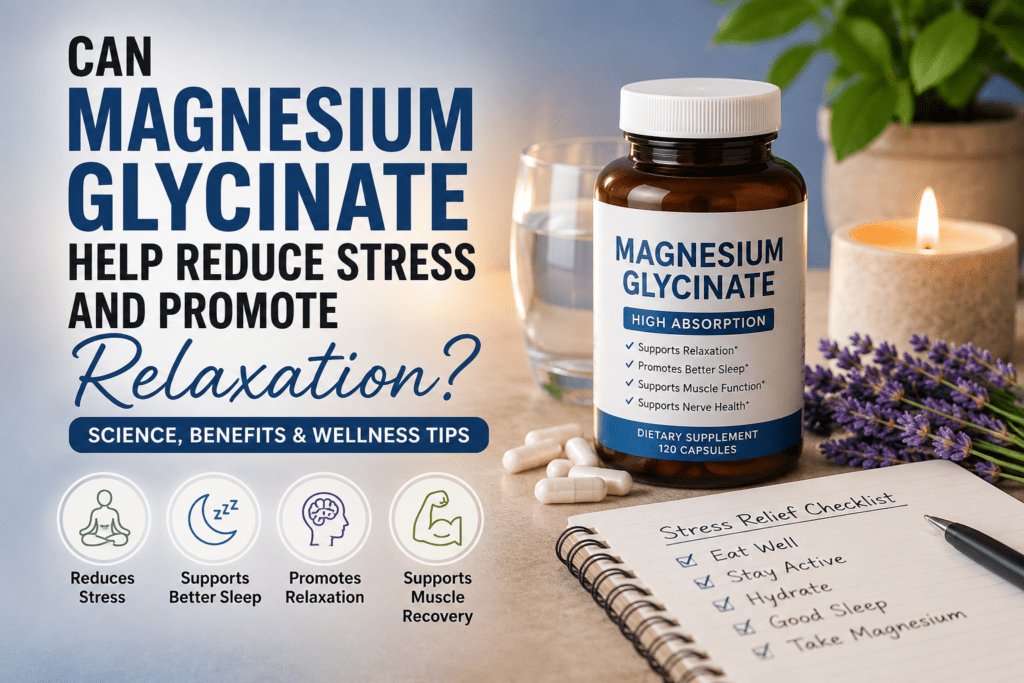

Modern life places constant demands on our mental and physical well-being. Long working hours, family responsibilities, poor sleep habits, and digital overload have made stress a common part of everyday life. While lifestyle changes such as regular exercise, balanced nutrition, and mindfulness remain the foundation of stress management, many people also explore nutritional support to help maintain a sense of calm.
One supplement that has gained significant attention is magnesium glycinate. Known for its high bioavailability and gentle effect on the digestive system, this form of magnesium is widely used to support relaxation, healthy sleep, and normal nervous system function. But can it truly help reduce stress? Here’s what current research and nutritional science suggest.
Why Stress Affects the Body
Stress is a natural response that prepares the body to handle challenges. During stressful situations, hormones like cortisol and adrenaline increase, helping you stay alert and focused.
However, when stress becomes chronic, it may contribute to:
- Difficulty sleeping
- Fatigue
- Muscle tension
- Reduced concentration
- Mood changes
- Increased feelings of anxiety
Managing stress isn’t about eliminating it entirely it’s about supporting the body’s ability to respond and recover effectively.
The Role of Magnesium in Stress Management
Magnesium is an essential mineral involved in more than 300 biochemical reactions throughout the body. It plays a key role in:
- Supporting normal muscle function
- Maintaining healthy nerve signaling
- Energy production
- Protein synthesis
- Supporting psychological function
- Regulating the body’s stress response
Research suggests that magnesium helps regulate neurotransmitters responsible for calming the nervous system. It also influences the body’s response to cortisol, often called the stress hormone.
Unfortunately, many adults do not consume adequate magnesium through diet alone, making supplementation a practical option for some individuals.
What Makes Magnesium Glycinate Different?
Not all magnesium supplements are created equal.
Magnesium glycinate combines magnesium with glycine, an amino acid involved in relaxation and healthy sleep regulation. This combination offers several advantages:
- High absorption compared with many other forms of magnesium
- Gentle on the stomach
- Less likely to cause digestive discomfort
- Suitable for long-term wellness routines when used appropriately
Because of these characteristics, healthcare professionals often recommend magnesium glycinate for individuals looking to support relaxation rather than digestive health.
Can Magnesium Glycinate Help Reduce Stress?
Current scientific evidence suggests that maintaining healthy magnesium levels may support the body’s natural stress response.
Magnesium contributes to normal nervous system function and helps regulate neurotransmitters involved in mood and relaxation. People experiencing ongoing stress may have increased magnesium requirements, and chronic stress itself can contribute to lower magnesium levels over time.
While magnesium glycinate is not a treatment for anxiety disorders or chronic stress-related medical conditions, it may support overall well-being when combined with healthy lifestyle habits.
Some individuals report benefits such as:
- Feeling more relaxed during the day
- Reduced muscle tightness associated with stress
- Improved sleep quality
- Better emotional resilience
- Enhanced recovery after mentally demanding days
Individual experiences vary, and results often depend on diet, overall health, and existing magnesium status.
Magnesium Glycinate and Better Sleep
Stress and poor sleep often create a difficult cycle. High stress makes it harder to fall asleep, while inadequate sleep increases the body’s sensitivity to stress the following day.
Magnesium supports normal muscle relaxation and healthy nervous system activity, both of which contribute to quality sleep.
Glycine—the amino acid paired with magnesium in magnesium glycinate—has also been studied for its potential role in promoting restful sleep by supporting the body’s natural sleep mechanisms.
Although supplementation should not replace healthy sleep habits, many people include magnesium glycinate as part of a broader nighttime wellness routine that includes:
- Maintaining a consistent bedtime
- Limiting screen exposure before sleep
- Avoiding excessive caffeine late in the day
- Practicing relaxation techniques
Lifestyle Habits That Complement Magnesium
Supplements work best when combined with healthy daily habits.
To naturally support relaxation, consider:
Prioritize Whole Foods
Consume magnesium-rich foods such as:
- Leafy green vegetables
- Pumpkin seeds
- Almonds
- Cashews
- Beans
- Whole grains
- Dark chocolate in moderation
Stay Physically Active
Regular exercise helps reduce stress hormones while encouraging the release of endorphins that promote positive mood.
Practice Mindfulness
Meditation, deep breathing exercises, and yoga may improve emotional resilience and help regulate the body’s stress response.
Maintain Healthy Sleep Hygiene
A consistent sleep schedule remains one of the most effective ways to improve both physical and mental well-being.
Supporting Cognitive Wellness Alongside Stress Management
Stress doesn’t only affect mood—it can also impact memory, concentration, and mental clarity.
This is one reason many people explore complementary wellness ingredients alongside magnesium. For example, lion’s mane mushroom has become increasingly popular for its potential role in supporting cognitive health, focus, and healthy brain function.
Although magnesium glycinate and lion’s mane mushroom work through different biological pathways, they are often included in comprehensive wellness routines designed to support both relaxation and cognitive performance.
Anyone considering combining supplements should consult a qualified healthcare professional, particularly if they have underlying medical conditions or take prescription medications.
Choosing a Quality Magnesium Supplement
When selecting a magnesium supplement, it’s worth paying attention to several important factors.
Look for products that offer:
- Clearly labeled magnesium glycinate
- Transparent ingredient lists
- Third-party quality testing when available
- Appropriate dosage guidance
- Good manufacturing practices
- Minimal unnecessary fillers or artificial additives
If you’re comparing different options and want to learn more about magnesium glycinate, reviewing products that provide detailed ingredient information, quality standards, and usage guidance can help you make a more informed decision.
Is Magnesium Glycinate Right for Everyone?
Magnesium glycinate is generally considered well tolerated for many healthy adults when taken as directed.
However, supplementation may not be appropriate for everyone.
Individuals should speak with a healthcare professional before starting any supplement if they:
- Have kidney disease
- Are pregnant or breastfeeding
- Take medications that may interact with magnesium
- Have chronic medical conditions requiring ongoing treatment
Professional guidance helps ensure supplements fit safely within an individual’s overall health plan.
Conclusion
Stress is an unavoidable part of modern life, but supporting the body’s natural ability to manage it can make a meaningful difference. Adequate magnesium intake plays an important role in healthy nervous system function, muscle relaxation, and sleep quality all of which contribute to overall well-being.
While magnesium glycinate is not a cure for stress, research suggests it may be a valuable addition to a balanced lifestyle that includes nutritious eating, regular exercise, quality sleep, and effective stress-management techniques. For individuals looking to support both relaxation and long-term wellness naturally, magnesium glycinate remains one of the most widely recommended forms of magnesium due to its excellent absorption and gentle digestive profile.
FAQs
1. Can magnesium glycinate help with everyday stress?
Magnesium glycinate may support the body’s normal stress response by contributing to healthy nervous system function and muscle relaxation. It works best as part of an overall healthy lifestyle rather than as a standalone solution.
2. Is magnesium glycinate better than other forms of magnesium for relaxation?
Many people choose magnesium glycinate because it is highly absorbable and generally easier on the stomach than some other forms of magnesium, making it a popular option for relaxation and sleep support.
3. Can magnesium glycinate improve sleep quality?
Magnesium supports normal muscle and nerve function, while glycine may contribute to healthy sleep regulation. Together, they may help promote more restful sleep for some individuals.
4. Can magnesium glycinate be taken with lion’s mane mushroom?
For many healthy adults, magnesium glycinate and lion’s mane mushroom can be included in the same wellness routine. However, it’s always advisable to consult a healthcare professional before combining supplements, especially if you have existing medical conditions or take medications.
5. How long does it take to notice the effects of magnesium glycinate?
The timeline varies depending on individual factors such as diet, magnesium status, and overall health. Some people notice benefits within a few weeks, while others may require longer periods of consistent use alongside healthy lifestyle habits.