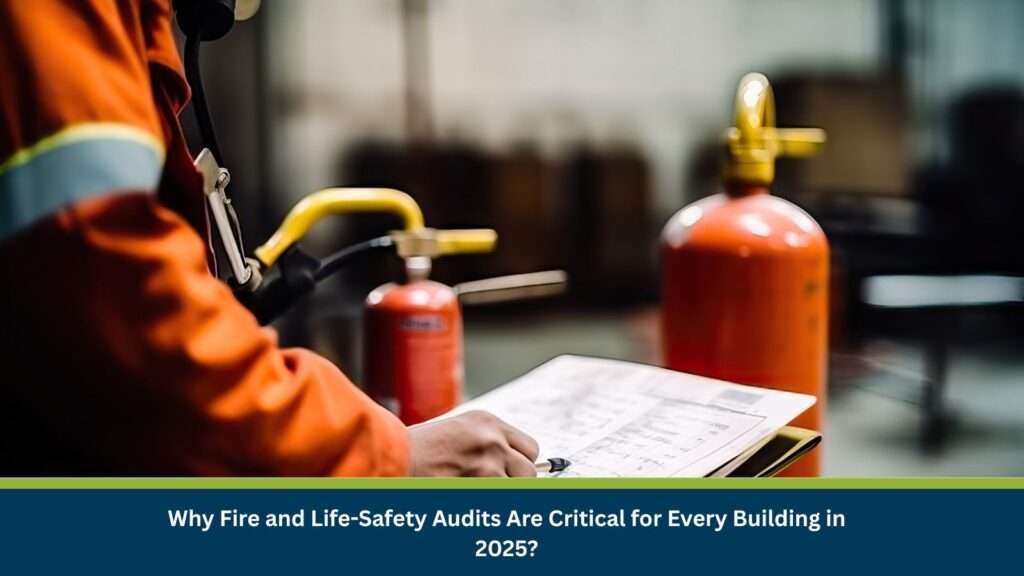

A small spark in a workplace rarely feels like a serious threat at first. It might come from faulty wiring, overheated machinery, or even a forgotten appliance left running. Yet, within minutes, that small oversight can turn into a dangerous fire, putting employees, assets, and operations at risk.
This is exactly where the role of a Safety Officer becomes crucial. A trained professional understands how to identify hidden fire hazards, conduct inspections, and ensure that preventive measures are always in place before an incident occurs.
Understanding Fire Safety Inspections
Fire safety inspections are structured evaluations of a workplace to identify potential fire hazards and ensure compliance with safety standards. These inspections are not just about ticking boxes. They are about actively preventing risks before they escalate into emergencies.
A proper inspection looks at multiple factors such as electrical systems, storage practices, fire equipment, and emergency exits. It also evaluates how prepared employees are to respond during a fire.
For example, in a small manufacturing unit, an inspection might reveal that fire extinguishers are installed but not easily accessible. This simple issue can delay response time during an emergency.
Why Fire Safety Inspections Matter More Than You Think
Many organizations assume that having fire extinguishers and alarms is enough. However, without regular inspections, these systems may fail when needed most.
1.Early Detection of Hidden Hazards
Fire risks are not always visible. Loose wiring behind walls, overloaded circuits, or blocked ventilation systems can go unnoticed. Regular inspections help uncover these hidden dangers before they cause harm.
2.Prevention Instead of Reaction
It is always better to prevent a fire than to control one. Inspections focus on identifying weak points and fixing them early, reducing the chances of incidents.
3.Ensuring Equipment Functionality
Fire alarms, sprinklers, and extinguishers must be in working condition at all times. Inspections ensure that all equipment is properly maintained and ready for use.
4.Protecting Employees and Lives
The primary goal of fire safety is to protect people. A well-inspected workplace provides employees with a safer environment and clear evacuation procedures.
Common Fire Risks Found During Inspections
Fire safety inspections often reveal patterns of negligence that can be easily corrected.
1.Electrical Hazards
Overloaded sockets and damaged wiring are among the most common causes of workplace fires. In offices, extension cords are often misused, increasing the risk.
2.Poor Storage Practices
Flammable materials stored near heat sources can create dangerous conditions. For instance, storing chemicals close to machinery can lead to serious incidents.
3.Blocked Emergency Exits
In many workplaces, exits are partially blocked by equipment or inventory. During an emergency, this can cause panic and delays.
4.Lack of Employee Awareness
Even with proper systems in place, untrained employees may not know how to respond. This can make a manageable situation worse.
Real-Life Example: A Preventable Incident
Consider a retail store where a routine inspection identified a faulty circuit breaker. The issue was fixed immediately. A few weeks later, the same circuit experienced a surge, but the upgraded system prevented a fire.
Without that inspection, the outcome could have been very different. This example shows how proactive checks can save lives and prevent major damage.
The Role of Regular Inspections in Risk Reduction
Fire safety is not a one-time effort. It requires continuous monitoring and improvement.
1.Consistent Monitoring
Regular inspections ensure that safety measures remain effective over time. Work environments change, and new risks can emerge.
2.Adapting to Workplace Changes
When new equipment is installed or processes change, fire risks may also change. Inspections help identify and manage these new challenges.
3.Building a Culture of Safety
When inspections are taken seriously, employees also become more aware and responsible. Safety becomes part of everyday behavior rather than a one-time activity.
Practical Steps to Conduct Effective Fire Safety Inspections
Conducting inspections does not have to be complicated. A structured approach can make the process efficient and effective.
1.Key Areas to Check
- Electrical systems for damage or overload
- Fire extinguishers for accessibility and expiry
- Emergency exits for clear pathways
- Smoke detectors and alarms for functionality
- Storage areas for safe handling of flammable materials
2.Employee Preparedness
- Ensure staff know evacuation routes
- Conduct regular fire drills
- Train employees on using fire extinguishers
3.Documentation and Follow-Up
- Record inspection findings clearly
- Address identified issues promptly
- Schedule regular follow-up inspections
How Inspections Support Compliance and Standards
Many industries have strict safety regulations that require regular fire inspections. These standards are designed to protect both employees and businesses.
Compliance is not just about avoiding penalties. It ensures that workplaces meet essential safety requirements and maintain a secure environment for everyone.
Organizations that follow inspection protocols are better prepared to handle emergencies and reduce potential losses.
The Link Between Fire Safety Inspections and Professional Training
Fire safety inspections are most effective when handled by trained individuals. Knowledge of safety standards, risk assessment, and emergency planning plays a major role in ensuring thorough inspections.
This is where professional training becomes important. Learning programs provide the skills needed to identify hazards, evaluate risks, and implement safety measures effectively.
For individuals looking to build a career in this field, selecting the right training pathway is essential. Many institutes now offer Safety Courses in Pakistan that focus on practical learning, real-world scenarios, and industry-relevant skills.
When choosing a course, it is helpful to look at the curriculum, trainer experience, and opportunities for hands-on practice. A well-structured program can prepare learners to handle real workplace challenges with confidence.
FAQs
1.What is the main purpose of fire safety inspections?
The main purpose is to identify potential fire hazards and ensure that safety systems and procedures are in place to prevent incidents.
2.How often should fire safety inspections be conducted?
Inspections should be conducted regularly, depending on the workplace type, but typically every few months or as required by safety regulations.
3.Who should conduct fire safety inspections?
Qualified safety professionals or trained personnel are responsible for conducting thorough and effective inspections.
4.Can fire safety inspections prevent all fires?
While they cannot eliminate all risks, inspections significantly reduce the chances of fire incidents by addressing potential hazards early.
5.What happens if safety issues are found during an inspection?
Identified issues should be addressed immediately, and corrective actions should be documented and followed up.
Conclusion
Fire safety inspections are not just routine checks. They are a critical part of workplace safety that helps prevent incidents, protect employees, and maintain a secure working environment.
From identifying hidden hazards to ensuring equipment readiness, inspections play a vital role in risk reduction. When combined with proper training and awareness, they create a strong foundation for long-term safety.
For both organizations and individuals, understanding and prioritizing fire safety is a step toward a more responsible and prepared workplace.