
Introduction
Infertility can be caused by a wide range of factors that affect the reproductive system. Some fertility problems are related to hormonal imbalances, while others are caused by structural issues within the reproductive organs. In many cases, these problems cannot be fully diagnosed through routine tests alone.
One medical procedure that helps both diagnose and treat certain fertility conditions is laparoscopy treatment in Lahore for fertility improvement. This minimally invasive surgical technique allows doctors to examine the reproductive organs and correct specific problems that may prevent pregnancy.
Many patients wonder whether laparoscopy is safe and whether it can actually help improve fertility. Understanding how the procedure works and the conditions it treats can help patients feel more confident when considering this treatment option.
Understanding Laparoscopy
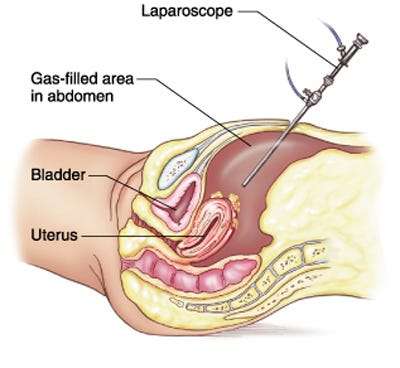
Laparoscopy is a surgical procedure that allows doctors to look inside the abdomen and pelvic area using a small camera called a laparoscope.
The camera is inserted through a small incision in the abdomen. The laparoscope sends detailed images to a monitor, allowing the surgeon to examine the reproductive organs such as the uterus, ovaries, and fallopian tubes.
Because the procedure uses small incisions instead of large surgical cuts, it is considered a minimally invasive technique. This results in less pain, faster healing, and a shorter recovery period compared with traditional surgery.
How Laparoscopy Helps Improve Fertility
Laparoscopy can improve fertility by identifying and treating physical problems within the reproductive system.
During the procedure, doctors can detect conditions that may interfere with conception. In many cases, these problems can be treated immediately during the same surgery.
This dual role of diagnosis and treatment makes laparoscopy an important tool in reproductive medicine.
Correcting structural abnormalities may restore normal reproductive function and increase the chances of pregnancy.
Conditions Treated with Laparoscopy
Several reproductive health conditions that affect fertility can be treated using laparoscopy.
Endometriosis
Endometriosis occurs when tissue similar to the lining of the uterus grows outside the uterus.
This condition can cause inflammation, scar tissue, and damage to reproductive organs.
Laparoscopy allows doctors to locate and remove endometrial tissue, which may improve fertility and reduce pelvic pain.
Blocked Fallopian Tubes
Healthy fallopian tubes are necessary for the egg and sperm to meet during natural conception.
Blockages in the tubes can prevent fertilization.
Laparoscopy helps doctors examine the tubes and sometimes remove blockages or repair damage.
Ovarian Cysts
Certain ovarian cysts can affect ovulation and hormone balance.
Through laparoscopy, surgeons can remove cysts while preserving healthy ovarian tissue.
Pelvic Adhesions
Scar tissue in the pelvic area can cause reproductive organs to stick together or move out of position.
Laparoscopic surgery can remove these adhesions and restore normal pelvic anatomy.
Safety of Laparoscopy
Laparoscopy is generally considered a safe procedure when performed by experienced surgeons.
Because the surgery involves small incisions, it reduces the risk of complications compared with traditional open surgery.
Common safety advantages include:
-
Smaller surgical cuts
-
Lower risk of infection
-
Less postoperative pain
-
Faster recovery time
Most patients recover quickly and return to normal activities within a short period.
However, like any surgical procedure, laparoscopy carries some risks. These may include bleeding, infection, or reactions to anesthesia, but serious complications are rare.
Doctors carefully evaluate each patient before recommending the procedure to ensure it is appropriate and safe.
Recovery After Laparoscopy
Recovery after laparoscopy is usually smooth and relatively quick.
Patients may experience mild symptoms such as abdominal discomfort, bloating, or fatigue for a few days after surgery.
These symptoms typically improve with rest and basic postoperative care.
Doctors often recommend avoiding heavy physical activity for a short period while the body heals.
Follow-up visits allow doctors to monitor recovery and discuss the next steps in fertility planning.
When Laparoscopy Is Recommended
Not every infertility case requires laparoscopy.
Doctors usually recommend the procedure when symptoms or test results suggest structural problems in the reproductive organs.
Laparoscopy may be advised in situations such as:
-
Persistent pelvic pain
-
Suspected endometriosis
-
Unexplained infertility
-
Possible fallopian tube blockage
-
Pelvic adhesions from previous infections or surgery
A fertility specialist evaluates each patient’s medical history and fertility tests before recommending surgical treatment.
Benefits for Fertility Treatment
Laparoscopy offers several benefits that support fertility improvement.
These include:
-
Accurate diagnosis of hidden reproductive problems
-
Ability to treat conditions during the same procedure
-
Improved reproductive organ function
-
Better planning for future fertility treatments
In some cases, correcting structural problems through laparoscopy may allow couples to conceive naturally.
In other situations, the procedure may improve the success rates of assisted reproductive treatments.
Emotional Considerations
Fertility challenges can be emotionally stressful for many couples.
Facing the possibility of surgery may add additional concerns.
It is important for patients to discuss their questions and expectations with their healthcare providers.
Clear communication helps patients understand the purpose of the procedure and how it fits into their fertility treatment plan.
Emotional support from family members and medical professionals can also help reduce stress during the treatment journey.
Conclusion
Laparoscopy for fertility improvement is a safe and effective procedure that helps diagnose and treat several conditions affecting reproductive health. By allowing doctors to examine the pelvic organs closely and correct structural problems such as endometriosis, ovarian cysts, fallopian tube blockages, and pelvic adhesions, laparoscopy can play a valuable role in fertility care.
Because it is minimally invasive, the procedure offers faster recovery and fewer complications compared with traditional surgery. With proper medical evaluation and expert surgical care, laparoscopy can help many patients improve their reproductive health and increase their chances of achieving a successful pregnancy.
for more click here