
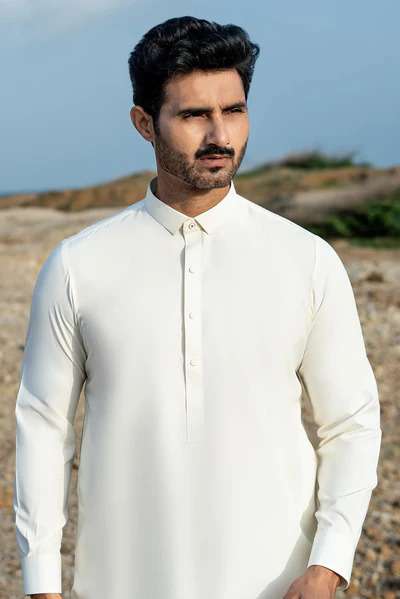

Kameez Shalwar is more than just a traditional outfit it is a reflection of culture, identity, and timeless elegance. Worn across South Asia for generations, this attire continues to hold a special place in wardrobes, hearts, and celebrations. Whether it’s a simple cotton set for daily wear or a richly embroidered ensemble for a wedding, Kameez Shalwar never goes out of style.
A Heritage Rooted in Tradition
The beauty of Kameez Shalwar lies in its simplicity. The kameez (long shirt) paired with the shalwar (loose trousers) creates a balanced silhouette that is both graceful and practical. Over time, this traditional dress has evolved in design, fabric, and tailoring, yet its cultural essence remains untouched.
In countries like Pakistan and India, Kameez Shalwar is not just clothing it’s part of everyday life. It is worn at family gatherings, religious events, festivals like Eid, and even formal ceremonies. From rural villages to modern cities, the outfit seamlessly blends tradition with contemporary style.
Comfort That Speaks for Itself
One of the biggest reasons behind the lasting popularity of Kameez Shalwar is comfort. The loose fit allows easy movement, making it ideal for warm climates. Breathable fabrics like cotton, lawn, and linen keep the body cool during summer, while khaddar, wool, and blended fabrics provide warmth in winter.
Unlike many modern outfits that focus solely on style, Kameez Shalwar offers both comfort and sophistication. It’s an outfit you can wear all day without feeling restricted whether you’re working, traveling, or attending a special occasion.
Versatility for Every Occasion
Kameez Shalwar is incredibly versatile. A plain white or neutral-colored set gives a clean, elegant look perfect for Friday prayers or formal meetings. On the other hand, embroidered or embellished designs add a festive touch suitable for weddings and celebrations.
Designers have also introduced modern cuts such as straight-fit kameez, short kurtas with narrow shalwars, and stylish collars to appeal to younger generations. This fusion of traditional and modern fashion keeps the outfit relevant in today’s style landscape.
Fabric and Craftsmanship
The charm of Kameez Shalwar also lies in its craftsmanship. From delicate hand embroidery to machine detailing, each piece tells a story of skill and dedication. Boski, wash-and-wear, lawn, and jamawar fabrics each bring a different personality to the attire.
Color choices range from classic whites and blacks to earthy tones and pastel shades. For festive wear, deeper hues like maroon, navy, and emerald green create a rich and royal appearance.
A Statement of Identity
For many, wearing Kameez Shalwar is a proud expression of cultural identity. It connects generations fathers passing down traditions to sons, elders guiding the younger ones on how to carry themselves with grace. Even overseas, South Asians often choose Kameez Shalwar during cultural events to stay connected to their roots.
In a world rapidly influenced by global fashion trends, this traditional outfit stands strong as a symbol of heritage and dignity.
The Modern Appeal
Today, Kameez Shalwar is not limited to traditional settings. Influencers, fashion bloggers, and designers are redefining it with modern tailoring, minimalistic designs, and premium fabrics. Pairing it with a waistcoat, khussa shoes, or a stylish watch can instantly elevate the look.
Online shopping has also made it easier than ever to explore a wide variety of designs. From ready-to-wear collections to custom stitching services, there’s something available for every taste and budget.
Conclusion
Kameez Shalwar is not just an outfit it’s a legacy woven into fabric. It represents modesty, comfort, culture, and timeless fashion all at once. Whether worn casually at home or proudly at a grand celebration, it continues to define elegance in its purest form.