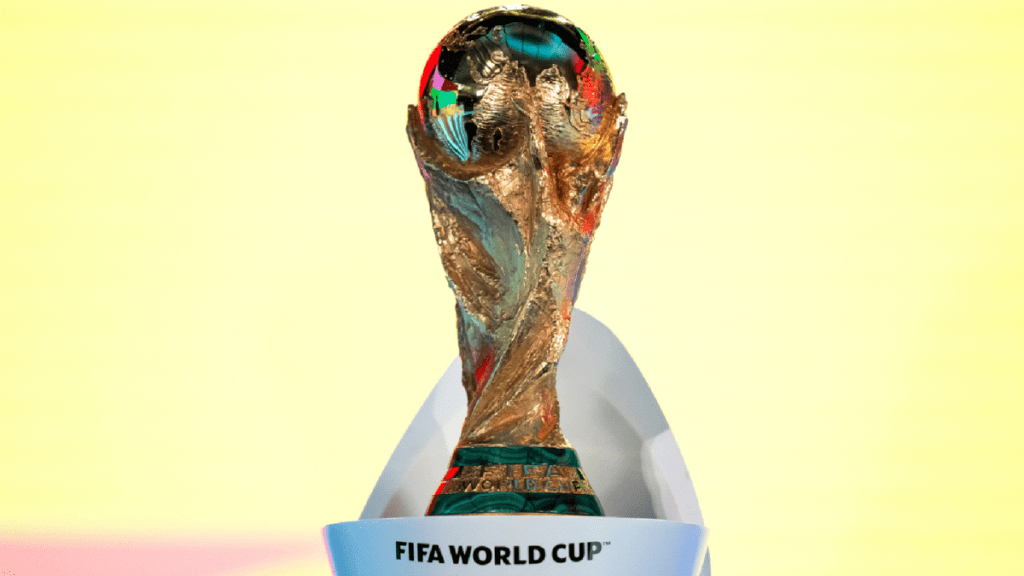

The 2026 FIFA World Cup introduces an expanded 48-team format, making the knockout stage even more exciting and unpredictable. Once the tournament reaches the Round of 32, there is no room for draws—every match must produce a winner. But what happens if two teams are level after 90 minutes? FIFA has a clear tie-breaker system that determines which nation advances to the next round.
Whether you’re watching the Round of 32, Round of 16, quarterfinals, semifinals, or the final, understanding these knockout tie-breaker rules will help you follow every dramatic moment of the tournament.
Why Are Tie-Breakers Needed in the Knockout Stage?
Unlike the group stage, where teams can earn one point each from a draw, knockout football is based on elimination. Only one team can move forward while the other is knocked out of the competition.
If the score is tied after regulation time, FIFA follows a structured process to decide the winner. This system ensures that every knockout fixture ends with one team progressing.
What Happens if Teams Are Level After 90 Minutes?
If the score remains tied at the end of the regular 90 minutes, the match enters extra time.
Extra time consists of two halves lasting 15 minutes each, giving both teams another 30 minutes to find a winning goal. Players switch ends after the first period, with only a brief interval between the halves.
If one team scores more goals than the other during extra time, that team wins the match and advances to the next round.
What Happens if the Match Is Still Tied After Extra Time?
If neither team can break the deadlock during the additional 30 minutes, the match is decided by a penalty shootout.
Each team initially takes five penalty kicks, with players alternating attempts.
If one team gains an unbeatable lead before all five kicks are taken, the shootout ends immediately.
If both teams remain tied after five penalties each, the contest moves into sudden death penalties. In this phase, each side continues taking one penalty at a time until one team scores and the other misses in the same round.
Penalty shootouts have produced some of the most unforgettable moments in FIFA World Cup history, turning goalkeepers into national heroes and testing players under immense pressure.
Is the Away Goals Rule Used in the FIFA World Cup?
No. The away goals rule is not used in any FIFA World Cup match.
Since every knockout game is played at a neutral venue, there is no home or away advantage. Therefore, the winner is determined only through extra time and, if necessary, penalties.
Is There a Golden Goal or Silver Goal Rule?
No. FIFA no longer uses either the Golden Goal or Silver Goal system.
In previous tournaments, the Golden Goal rule meant the first team to score during extra time immediately won the match. The Silver Goal rule ended the game if one team led at halftime in extra time.
Both systems have been abolished, and every tied knockout match now follows the standard format:
- 90 minutes of regular time
- 30 minutes of extra time
- Penalty shootout if still level
This approach gives both teams equal opportunities throughout extra time.
Which Rounds Use These Tie-Breaker Rules?
The same knockout tie-breaker procedure applies throughout the tournament after the group stage.
These rounds include:
- Round of 32
- Round of 16
- Quarterfinals
- Semifinals
- Final
Even the FIFA World Cup Final follows this exact process. If the championship match remains level after extra time, the world champion is crowned through a penalty shootout.
Why Extra Time Can Be So Important
Extra time is often where matches become tactical battles. Coaches must decide whether to attack aggressively for a winning goal or conserve energy and prepare for penalties.
Several factors influence performance during extra time:
- Player fatigue after 90 intense minutes.
- Tactical substitutions made specifically for penalties.
- Cramp and injuries affecting key players.
- Mental strength under increasing pressure.
Fresh substitutes can often change the outcome, especially against exhausted defenders.
How Teams Prepare for Penalty Shootouts
Modern national teams spend significant time preparing for penalties before major tournaments.
Preparation usually includes studying goalkeeper tendencies, analyzing opponents’ preferred shooting directions, practicing under pressure, and selecting the best penalty takers before the match.
Goalkeepers also review video footage to identify patterns in opposing players’ penalty techniques, giving them a better chance of making crucial saves.
Famous World Cup Matches Decided on Penalties
Penalty shootouts have shaped football history and created unforgettable champions. Several FIFA World Cup finals and knockout matches have been decided from the penalty spot, proving how fine the margins can be at the highest level.
These moments often become defining memories for players, fans, and entire nations, with one successful kick or dramatic save determining who continues their journey toward the trophy.
Conclusion
The 2026 FIFA World Cup knockout stage promises intense drama as the tournament’s expanded format brings more teams into the battle for football’s biggest prize. Once the competition reaches the elimination rounds, every match must produce a winner.
If teams are tied after 90 minutes, they play 30 minutes of extra time. If the score remains level, the match is decided by a penalty shootout. There are no away goals, Golden Goals, or Silver Goals—only football, endurance, and nerve under pressure.
For players, coaches, and supporters alike, understanding these knockout-stage tie-breakers makes every minute of the FIFA World Cup even more exciting, as one goal, one save, or one penalty can decide who keeps dreaming of lifting the most prestigious trophy in world football.