
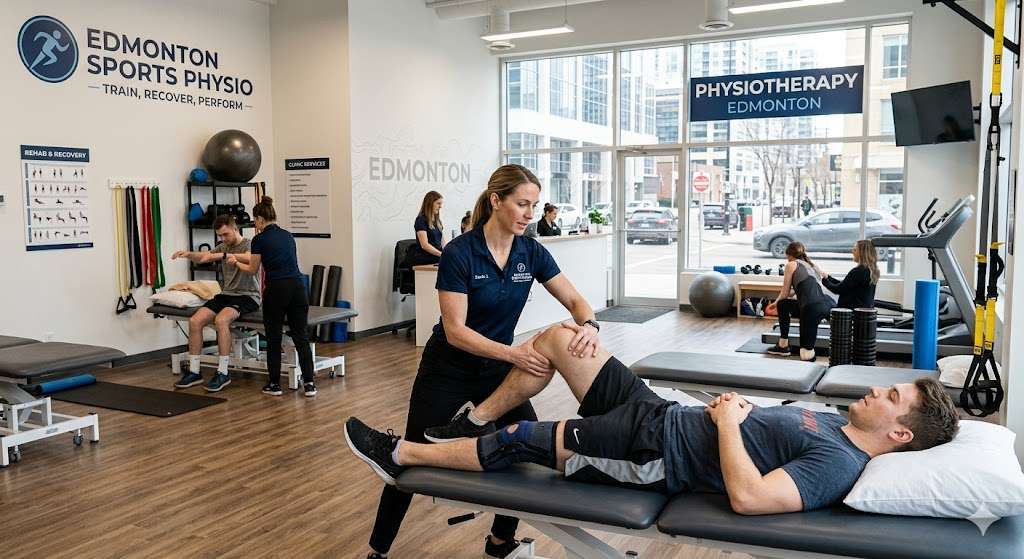

Athletes and active individuals often push their bodies to perform at higher levels. Whether training for competitive sports, improving fitness, or staying active recreationally, physical activity places repeated demands on muscles, joints, and movement patterns. While staying active offers many benefits, intense training and repetitive movement can sometimes lead to discomfort, fatigue, or injury if the body is not recovering properly.
Athletic Physiotherapy Edmonton focuses on helping athletes and active adults improve movement, support recovery, and return to physical activity safely after injury or strain. Physiotherapy is not only for recovery after an injury occurs. Many athletes also use physiotherapy to improve flexibility, mobility, balance, strength, and overall movement efficiency during training.
At Granville Physiotherapy, athletic physiotherapy programs are designed to support individuals with different activity levels and goals. From weekend runners and gym enthusiasts to competitive athletes, treatment plans are tailored to each person’s sport, physical condition, and recovery needs.
Understanding Athletic Physiotherapy
Athletic physiotherapy focuses on movement-related care for sports injuries, training strain, and physical performance support. Since athletes often repeat the same movements during training and competition, certain muscles and joints may become overloaded over time.
Physiotherapists assess how the body moves during activity and identify areas that may contribute to discomfort or reduced performance. Treatment programs may include mobility work, strengthening exercises, movement retraining, balance training, and recovery-focused rehabilitation.
The goal is to support safer movement patterns while helping individuals stay active and engaged in their sport or fitness routine.
Common Injuries Seen in Active Individuals
Sports and recreational activities place different demands on the body depending on the activity involved. Running, weightlifting, cycling, soccer, hockey, basketball, and fitness training all stress muscles and joints in unique ways.
Some of the more common concerns addressed through athletic physiotherapy include:
- Muscle strains
- Ligament sprains
- Knee pain
- Shoulder discomfort
- Ankle injuries
- Hip tightness
- Tendon irritation
- Overuse injuries
- Lower back discomfort related to activity
Some injuries happen suddenly during sports participation, while others develop gradually from repetitive movement and insufficient recovery time.
Why Recovery Matters as Much as Training
Many active individuals focus heavily on workouts and performance goals but spend less time addressing recovery. Without adequate recovery, muscles and joints may remain under stress for extended periods. This can increase physical fatigue and reduce movement efficiency during training.
Athletic physiotherapy often includes strategies that help support recovery between workouts and sporting activities. These may include guided stretching, mobility exercises, manual therapy, balance training, and gradual strengthening programs.
Recovery-focused care may help individuals maintain more consistent movement patterns and feel better prepared for physical activity.
Personalised Treatment for Every Athlete
No two athletes move exactly the same way. Factors such as sport type, training intensity, flexibility, previous injuries, and biomechanics all influence how the body responds to activity.
At Granville Physiotherapy Edmonton, physiotherapists begin with a detailed assessment to understand how the body moves during exercise and daily activities. This may involve evaluating posture, mobility, muscle strength, flexibility, balance, and sport-specific movement patterns.
Based on the assessment findings, treatment plans are developed around the athlete’s individual goals. Some people may want to improve performance during training, while others focus on returning safely after an injury.
Preventing Injuries Through Movement Awareness
Athletic physiotherapy is not only useful after pain develops. Many active individuals seek physiotherapy care to better understand movement limitations before they become larger concerns.
Poor movement mechanics, muscle imbalances, and limited flexibility can sometimes increase stress on specific areas of the body. Over time, this repeated strain may contribute to discomfort during sports or exercise.
Physiotherapists may identify movement patterns that place additional pressure on joints and muscles. Through guided exercises and corrective movement training, athletes may improve body awareness and movement control during activity.
Supporting Return to Sport After Injury
Returning to sports too quickly after an injury can sometimes increase the risk of recurring discomfort. Athletic physiotherapy often focuses on gradual progression so the body can adapt safely during recovery.
Rehabilitation programs are commonly adjusted in stages. Early treatment may focus on mobility and symptom management, while later stages often include strengthening, balance work, endurance exercises, and sport-specific movement drills.
This structured approach may help individuals feel more confident when returning to training, competition, or recreational activity.
The Importance of Strength and Stability
Athletic performance depends on more than muscle strength alone. Stability, coordination, flexibility, and balance all play important roles in how the body moves during activity.
Physiotherapy programs may include exercises designed to improve movement control and support joint stability. This can be especially important for athletes recovering from ankle injuries, knee discomfort, or shoulder strain.
Functional exercises are often selected based on movements commonly used in the athlete’s sport. This helps create rehabilitation programs that feel practical and relevant to real activity demands.
Managing Overuse Injuries
Not every sports injury happens suddenly. Many athletes experience gradual discomfort caused by repetitive strain over time. These overuse injuries may develop when the body does not have enough time to recover between activities.
Symptoms may include stiffness, soreness after training, reduced flexibility, or discomfort during repetitive movement. Physiotherapy may help by identifying contributing movement patterns and modifying training demands where appropriate.
Treatment often includes strengthening exercises, flexibility work, mobility training, and guidance regarding activity progression.
Building Long-Term Movement Habits
Athletic physiotherapy also focuses on helping individuals build sustainable movement habits for long-term physical activity. Staying active consistently often requires balancing performance goals with proper recovery and body awareness.
Many athletes benefit from learning how posture, warm-ups, mobility, and gradual progression influence overall movement quality. Small adjustments in technique and recovery habits may support safer participation during sports and exercise.
Education remains an important part of physiotherapy because it helps individuals better understand how their body responds to physical activity.
Moving Forward With Confidence
Training hard is important for athletic progress, but recovery and movement care are equally valuable. Athletic physiotherapy provides a supportive approach for individuals looking to recover from injuries, improve mobility, and stay active safely over time.
Athletic Physiotherapy Edmonton continues to support athletes, gym participants, recreational runners, and active adults through personalised physiotherapy programs designed around movement, recovery, and physical function. Whether recovering after an injury or preparing for future activity, physiotherapy may help individuals move with greater confidence and comfort.
To explore available physiotherapy services or schedule an appointment, visit Granville Physiotherapy appointments.
FAQ Schema
What does athletic physiotherapy help with?
Athletic physiotherapy may support individuals dealing with sports injuries, muscle strains, mobility limitations, joint discomfort, overuse injuries, and return-to-sport rehabilitation. It may also help improve movement control and physical recovery during training.
When should athletes see a physiotherapist?
Athletes may benefit from physiotherapy when experiencing discomfort during activity, recovering after injury, noticing movement restrictions, or looking for guidance on recovery and performance-focused rehabilitation.
Contact Details
WE ARE LOCATED AT:
Granville Physiotherapy Clinic
3010 Granville Drive NW
Edmonton, AB, T5T4V3
Phone: +(587) 400-2011
Fax: 780-249-1161
Email: [email protected]
Monday – Friday : 8:00am–8.00pm
Saturday : 9.00am–3:00pm
Sunday : Closed
#AthleticPhysiotherapyEdmonton #SportsPhysiotherapy #InjuryRecovery #SportsInjuryCare #EdmontonPhysiotherapy #ActiveLifestyleSupport #MovementRehabilitation #FitnessRecovery #GranvillePhysiotherapy #PhysiotherapyEdmonton