
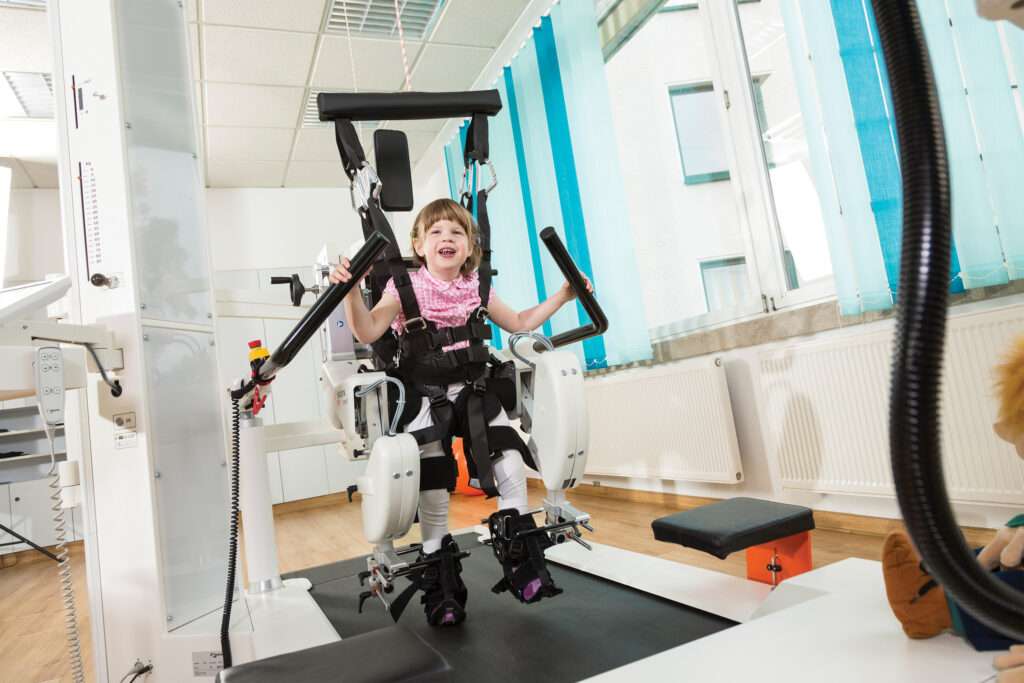

For parents in Scotland’s capital, watching a child struggle with their gait—whether it is frequent tripping, “pigeon toes,” or walking on tiptoes—can be a source of significant anxiety. In a city where navigating steep hills, historic closes, and uneven pavements is part of daily life, ensuring your child has a stable, efficient walking pattern is essential for their physical confidence and developmental milestones.
By accessing specialized footcare services in Edinburgh, parents can utilize the science of biomechanics to identify the root cause of walking issues and create a clear, evidence-based pathway to resolution. This proactive approach does more than fix a “clumsy” walk; it builds a foundation for a lifetime of healthy activity.
What is Pediatric Biomechanics?
Pediatric biomechanics is the sophisticated study of how a child’s bones, muscles, and joints work together to create movement. Unlike the adult body, which is relatively static in its structure, a child’s body is in a constant state of flux. Their bones are still undergoing ossification (the process of hardening from cartilage to bone), and their neuromuscular coordination—the communication between brain and limb—is still maturing.
A biomechanical assessment looks far beyond the feet. It examines the “kinetic chain”—how the movement of the foot affects the ankle, which in turn influences the rotation of the knee, the position of the hip, and the ultimate alignment of the spine. In a biomechanical view, the foot is the steering wheel for the rest of the skeleton.
Common Walking Issues Addressed in Edinburgh Clinics
Professional footcare services in Edinburgh specialize in identifying and treating several common pediatric gait concerns that can interfere with a child’s ability to play and explore.
1. In-toeing (Pigeon Toes)
This is perhaps the most frequent reason parents seek a biomechanical review. In-toeing can be caused by a twist in three different areas: the foot (metatarsus adductus), the shin bone (tibial torsion), or the hip (femoral anteversion). Biomechanics helps determine exactly where the rotation originates so that the correct management can be applied, preventing the child from constantly “tripping over their own feet.”
2. Idiopathic Toe Walking
While common in children under the age of three as they experiment with balance, persistent toe walking into the school years can lead to shortened calf muscles and increased pressure on the forefoot. A biomechanical analysis determines if this is a behavioral habit, a structural issue with a tight Achilles tendon, or a sensory processing requirement where the child seeks specific feedback from the ground.
3. Hypermobility and “Flat Feet”
Many children in Edinburgh are “double-jointed” or hypermobile. This ligament laxity often causes the arches to collapse inward (overpronation), leading to “tired legs” or aching feet after a walk through the Royal Botanic Garden. Biomechanics assesses whether the flat foot is “flexible” (normal development) or “rigid” (requiring intervention).
4. Frequent Tripping and Coordination Issues
If a child appears unusually clumsy, it often points to a mechanical inefficiency. Issues like low muscle tone or poor “proprioception” (the body’s ability to sense its position) can make the feet feel “heavy” during the swing phase of walking, leading to frequent falls on Edinburgh’s historic setts.
The Comprehensive Assessment Process
Specialist clinics providing footcare services in Edinburgh use a combination of clinical expertise and advanced technology to assess your child in a way that is fun, engaging, and non-intimidating.
The Non-Weight Bearing Exam
The podiatrist begins by examining the child while they are sitting or lying down. This allows for an assessment of joint flexibility and bone alignment without the influence of gravity. The specialist will check for “torsional” changes in the leg bones and measure the strength of specific muscle groups.
Weight-Bearing and Postural Analysis
The child is then observed standing. The specialist looks for “calcaneal valgus” (heels tilting inward) and the overall symmetry of the pelvis and shoulders. In Edinburgh’s hilly environment, even a small postural tilt can lead to significant energy waste during a walk.
High-Tech Dynamic Gait Analysis
The most vital part of the assessment is watching the child move. Modern Edinburgh clinics utilize digital video analysis to capture the walking cycle in slow motion. This allows the specialist to break down the gait into three distinct phases:
-
Initial Contact: How the heel or midfoot strikes the ground.
-
Mid-stance: How the body weight is transferred across the arch.
-
Toe-off: How the child uses their forefoot to propel themselves forward.
Biomechanical Solutions and Management
Once the biomechanical “map” of the child’s movement is understood, a tailored plan is created. Treatment in pediatric biomechanics is rarely invasive and almost always focuses on guiding and supporting natural growth.
-
Custom Pediatric Orthotics: Unlike adult versions designed for permanent correction, pediatric orthotics act as a “template” for the growing foot. They realign the skeleton to allow muscles to develop symmetrically, preventing the “over-use” of certain muscle groups.
-
Targeted Stretching and Strengthening: Podiatrists prescribe exercises that feel like “play”—such as “towel curls” with toes or “stork stands” for balance. These are designed to strengthen weak arches or lengthen tight hamstrings.
-
Footwear Prescription: Not all “sensible” shoes are right for every child. Guidance is provided on the specific level of heel stiffness and forefoot flexibility required for the child’s unique foot type.
-
Gait Retraining: Using visual cues and fun drills to help the child become more aware of their foot placement, especially important for children who in-toe.
The Long-Term Impact: Why Early Intervention Matters
The primary advantage of seeking footcare services in Edinburgh during childhood is the “malleability” of the young skeleton. A child’s bones are essentially “living plastic”—they shape themselves based on the pressures applied to them (a principle known as Wolff’s Law).
By correcting a biomechanical issue while the growth plates are still active, you can:
-
Prevent Permanent Bone Twists: Correcting in-toeing early can prevent the shin or thigh bones from setting in a permanent internal rotation.
-
Protect Higher Joints: By stabilizing the foot, you prevent the “knock-knee” effect that often leads to early-onset ACL strain or hip bursitis in teenage years.
-
Boost Physical Confidence: A child who can run and jump as efficiently as their peers is more likely to engage in lifelong sports and maintain a healthy weight.
Navigating Edinburgh: A Unique Mechanical Challenge
Edinburgh presents a unique “stress test” for a child’s biomechanics. The constant climbing and descending of the city’s hills require exceptional eccentric muscle control. A child with poor mechanics might handle a flat carpeted school hallway perfectly fine but struggle with the inclines of the New Town.
Professional footcare services in Edinburgh understand this local context. They ensure that your child’s management plan isn’t just designed for the clinic room, but for the real-world challenges of a historic Scottish city.
Final Thought: Building a Strong Foundation
Walking issues in children are rarely just “phases” they will grow out of if there is an underlying mechanical cause. However, they are highly treatable when caught early. By using the precision of biomechanics, parents can ensure their children are not just “keeping up” with their peers, but are building a strong, resilient foundation for the rest of their lives.
Whether it’s a stroll through the Princes Street Gardens, a school trip to the Castle, or a weekend climb up Calton Hill, every child deserves to walk with comfort, stability, and confidence. Don’t leave your child’s mobility to chance—invest in the expertise that ensures every step they take is a step in the right direction.
for more click here