
Look around you. Your smartwatch, your car’s dashboard, the smart meter outside your home, and the machines in a factory all run on small computers built into the product itself. Making these devices work reliably is the job of embedded hardware development.
If you’re planning to build a smart device, this guide explains how the process works in plain language.
What Is Embedded Hardware Development?
Embedded hardware development is the process of designing the physical electronics that run a specific task inside a product. Unlike a laptop, an embedded system does one job, or a small set of jobs, and does it well.
The hardware usually includes:
- A microcontroller or processor (the “brain”)
- Sensors that collect information
- Power circuits and batteries
- Communication modules such as Wi-Fi, Bluetooth, or LoRa
- A custom printed circuit board (PCB) that connects everything
The software that runs on this hardware is called firmware. Good products need both parts to work together smoothly.
The Main Stages of Development
1. Defining requirements. Every good project starts with questions. What should the device do? Where will it be used? How long should the battery last? Clear answers here save a lot of money later.
2. Choosing components. Picking the right microcontroller, sensors, and power parts is a balancing act between cost, performance, power use, and availability. In recent years, component shortages have made this step even more important.
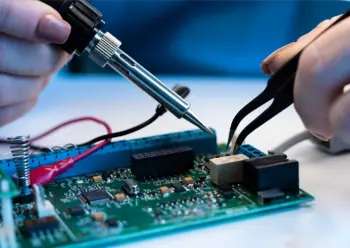
3. Schematic and PCB design. Engineers draw the circuit and then turn it into a physical board layout. Small details matter here, such as trace width, grounding, and signal routing, because they affect noise, heat, and reliability.
4. Prototyping. A prototype lets you test the design in the real world. Expect to find issues. That is the purpose of a prototype.
5. Testing and validation. The device is tested for performance, temperature, vibration, and electrical safety. Depending on your market, you may also need certifications such as CE, FCC, or BIS.
6. Production. Once the design is stable, it moves to manufacturing. Planning for production early, called design for manufacturing, keeps costs down and quality high.
Common Mistakes to Avoid
Many first-time product teams run into the same problems:
- Unclear requirements. Changing the plan halfway through leads to redesigns and delays.
- Ignoring power consumption. A device that looks great on paper can drain its battery in a day.
- Skipping early testing. Problems found late cost far more to fix.
- Forgetting certifications. A product you can’t legally sell is an expensive prototype.
- Choosing parts that are hard to buy. A single unavailable chip can halt production.
Should You Build In-House or Hire Experts?
Building an in-house team makes sense if hardware is your core business. But for startups and growing companies, hiring experienced partners is often faster and cheaper. Specialists have already faced the common design problems and know how to avoid them.
If you’re exploring this route, a team offering end-to-end hardware development services can support you from concept and circuit design to prototyping and production, so you don’t have to manage every technical step alone.
Trends Shaping the Future
A few trends are changing how embedded products are built:
- IoT growth: More everyday devices are becoming connected.
- Edge AI: Small chips can now run machine learning models directly on the device.
- Low-power design: Energy-efficient products are becoming the standard.
- Security by design: Protect connected devices from the start, not as an afterthought.
Final Thoughts
Embedded hardware development may look complicated, but it follows a clear path: define the need, design carefully, test thoroughly, and plan for production early. Whether you are a startup with a first idea or an established company upgrading an existing product, a structured approach and the right technical partner will save you time, money, and frustration.
Start with a clear goal, build a prototype quickly, and learn from every test. That is how great connected products get made.