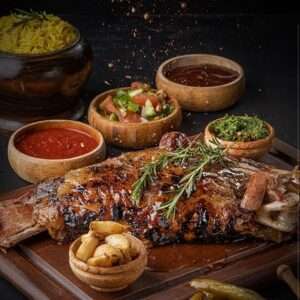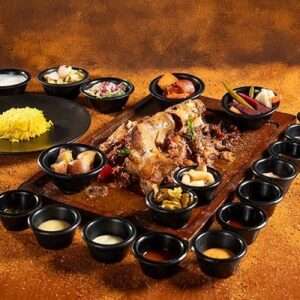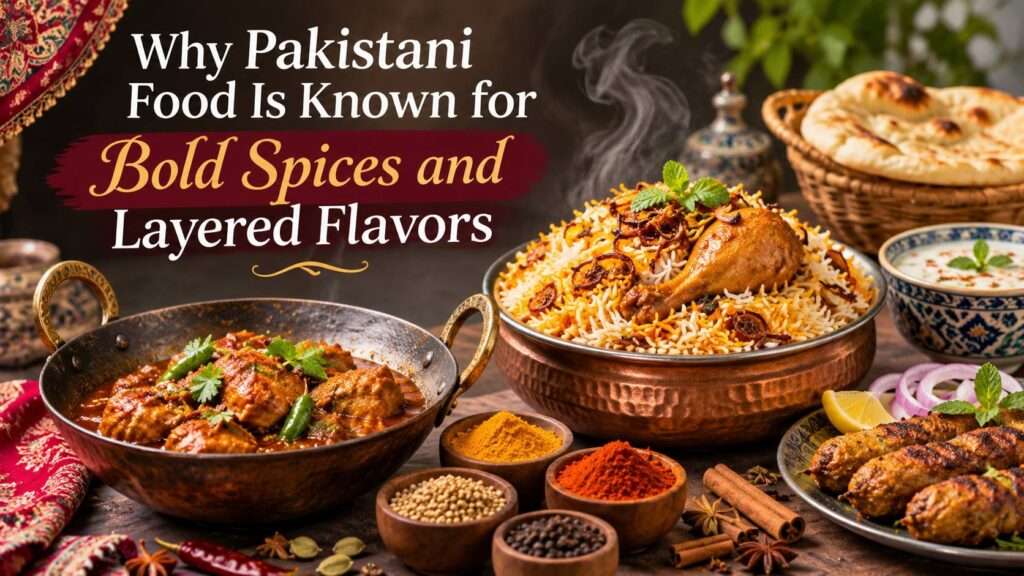

Pakistani food is famous for its bold spices, rich aromas, and layers of flavor that make every meal memorable. From spicy chicken karahi and aromatic biryani to slow-cooked nihari and traditional daal, Pakistani cuisine brings together a variety of ingredients, cooking techniques, and regional traditions. Rather than relying on heat alone, Pakistani dishes develop their distinctive taste through carefully combined spices, fresh herbs, slow cooking, and balanced seasoning.
Food is an important part of Pakistani culture. Whether it is a homemade lunch, a family dinner, or a traditional celebration, meals often feature dishes prepared with a combination of spices that create depth, warmth, and character.
But what makes Pakistani food so flavorful? The answer lies in its history, regional diversity, ingredients, and cooking methods.
1. A Rich History of Culinary Influences
Pakistani cuisine reflects centuries of cultural exchange and culinary traditions. Its flavors have been influenced by South Asian, Persian, Central Asian, and Mughal cooking.
These influences introduced different ingredients, preparation methods, and combinations of spices that continue to shape Pakistani food today.
Mughlai cooking, for example, contributed rich gravies, aromatic rice dishes, kebabs, and slow-cooked meat recipes. Persian and Central Asian influences helped popularize rice-based dishes, dried fruits, nuts, and fragrant spices.
Over time, these traditions blended with local ingredients and regional cooking styles, creating the distinctive flavors associated with Pakistani cuisine.
2. The Art of Combining Different Spices
One of the biggest reasons Pakistani food tastes so distinctive is its use of multiple spices in a single dish.
Common ingredients include:
-
Red chili powder: Adds heat and a deep red color.
-
Turmeric: Provides earthy notes and a warm yellow color.
-
Cumin: Adds a warm, slightly smoky flavor.
-
Coriander powder: Brings mild citrusy and earthy notes.
-
Garam masala: Adds aromatic warmth through a combination of ground spices.
-
Black pepper: Provides sharp, lingering heat.
-
Cardamom and cinnamon: Introduce sweet, fragrant notes.
These spices are not simply added together. Their quantities, timing, and cooking methods influence the final taste.
For example, whole spices may be fried in hot oil at the beginning of cooking to release their aroma, while ground spices are added later to develop the flavor of the gravy.
This careful layering creates a more complex taste than using a single seasoning.
3. Why Pakistani Cooking Uses Oil-Based Spice Preparation
Another important technique behind Pakistani flavors is bhunai, a traditional cooking method in which onions, tomatoes, ginger, garlic, and spices are cooked together in oil.
During bhunai, the ingredients gradually soften, combine, and develop a concentrated flavor. As the moisture reduces, the spices become more pronounced, and the mixture often releases oil around the edges.
This technique is particularly important in dishes such as chicken karahi, beef korma, and chicken masala.
The process gives Pakistani curries their characteristic depth, rich texture, and distinctive aroma.
4. Regional Diversity Makes Pakistani Food More Interesting
Pakistan has several regions, each with its own culinary identity. Geography, climate, locally available ingredients, and cultural traditions influence how people cook and season their food.
Punjabi Cuisine
Punjab is known for rich curries, lentils, grilled meats, and buttery dishes. Chicken karahi, sarson ka saag, makki ki roti, and chana masala are popular examples.
Sindhi Cuisine
Sindhi cooking is often recognized for its bold seasoning and generous use of chilies. Sindhi biryani, sai bhaji, and traditional fish preparations showcase its distinctive flavors.
Pashtun Cuisine
Pashtun food often emphasizes meat, simple seasoning, and traditional cooking methods. Chapli kebab, Peshawari karahi, and lamb dishes are well-known examples.
Balochi Cuisine
Balochi cuisine is famous for meat-based dishes and traditional roasting techniques. Sajji, prepared by roasting whole chicken or lamb with relatively simple seasoning, is one of its best-known specialties.
This regional variety means Pakistani food is not defined by one particular spice level or cooking style. Every region brings something different to the table.
5. Fresh Ingredients Add Depth to Traditional Dishes
Spices are only one part of Pakistani cooking. Fresh ingredients also play an important role in creating balanced flavors.
Onions provide sweetness and body to gravies, while tomatoes add acidity and richness. Fresh ginger and garlic create an aromatic foundation for many meat and vegetable dishes.
Green chilies contribute fresh heat, while coriander leaves and mint add freshness toward the end of cooking.
Yogurt is another frequently used ingredient. It helps create creamy textures, balances spices, and adds a slight tanginess to dishes such as chicken korma, biryani, and traditional marinades.
The combination of fresh ingredients and dried spices gives Pakistani dishes their characteristic complexity.
6. Slow Cooking Brings Out Deeper Flavors
Many traditional Pakistani dishes require patience. Slow cooking allows spices, meat, and other ingredients to combine gradually, producing a richer and more developed taste.
Nihari is a classic example. Traditionally cooked over several hours, this dish develops a thick gravy and deeply infused meat flavor.
Haleem also relies on slow cooking. Meat, lentils, wheat, and spices are cooked together until they form a thick, smooth consistency.
Similarly, traditional korma develops its rich flavor through carefully cooked onions, yogurt, meat, and aromatic spices.
These methods demonstrate that bold Pakistani flavors do not always come from adding more chilies. Cooking time and technique are equally important.
7. Rice Dishes Showcase Layers of Flavor
Rice is another essential part of Pakistani cuisine. Biryani and pulao are two popular dishes that demonstrate how different ingredients and cooking techniques create distinctive flavors.
Pakistani biryani combines rice, meat, spices, herbs, and sometimes yogurt in carefully prepared layers. Fried onions, mint, coriander, green chilies, and whole spices contribute different aromas and textures.
Pulao, on the other hand, often develops its flavor through cooking rice in a seasoned meat or chicken stock. Whole spices such as cinnamon, cloves, black cardamom, and bay leaves give the rice a fragrant taste.
Both dishes highlight the importance of balancing spices rather than relying on heat alone.
8. The Perfect Balance of Heat, Acidity, and Freshness
Although Pakistani food is often described as spicy, its flavor profile involves much more than chili heat.
A well-prepared Pakistani dish balances several taste elements:
-
Heat: Red chilies and green chilies provide varying levels of spiciness.
-
Acidity: Tomatoes, yogurt, and lemon juice add tanginess.
-
Sweetness: Cooked onions and certain ingredients create natural sweetness.
-
Aroma: Whole spices, ginger, garlic, and fresh herbs enhance fragrance.
-
Richness: Oil, ghee, yogurt, and meat contribute depth and texture.
Traditional accompaniments also help balance meals. Raita cools spicy dishes, fresh salad adds crunch, and lemon juice brings brightness to rich curries and grilled foods.
This balance makes Pakistani food enjoyable even for people who prefer milder flavors.
9. Food Is an Important Part of Pakistani Hospitality
In Pakistan, food is closely connected to family gatherings, celebrations, and hospitality.
Guests are often welcomed with generous meals featuring several dishes, freshly prepared bread, rice, salads, and traditional desserts.
During Eid, weddings, Ramadan, and family celebrations, food becomes a central part of bringing people together.
Traditional dishes such as biryani, qorma, seekh kebabs, haleem, and kheer are more than everyday meals. They represent family traditions, regional identities, and shared memories.
This cultural connection has helped preserve traditional recipes and cooking methods across generations.
Conclusion: What Makes Pakistani Food So Special?
Pakistani food is known for bold spices and layered flavors because it combines historical influences, regional ingredients, fresh aromatics, and carefully developed cooking techniques.
From the rich gravies of Punjab to the spicy biryanis of Sindh and the traditional roasted meats of Balochistan, every region contributes something unique to the country’s food culture.
The secret is not simply using more spices. It is understanding how different ingredients work together, when to add them, and how cooking techniques bring out their best qualities.
Whether you enjoy a spicy chicken karahi, a fragrant plate of biryani, or a comforting bowl of nihari, Pakistani cuisine offers a diverse food experience that celebrates flavor, tradition, and hospitality.