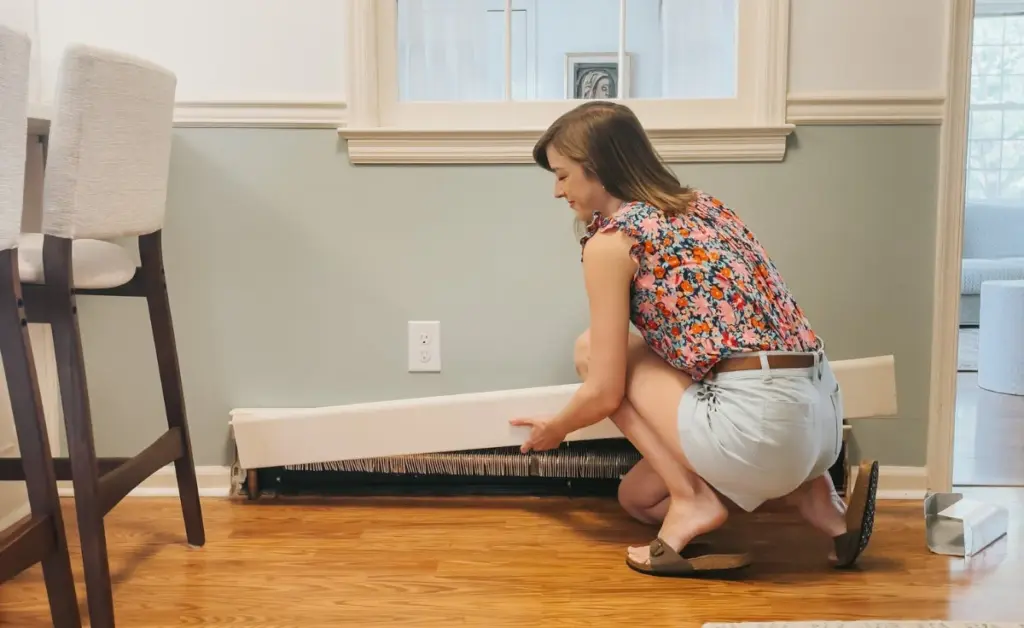

Baseboard heaters help keep homes warm during cold winter months. However, they can collect dust, pet hair, lint, and other debris because they are installed close to the floor. Many homeowners forget to clean these heating units until they notice an unpleasant smell or reduced airflow.
Knowing how to clean baseboard heaters is an important part of seasonal home maintenance. Regular cleaning helps keep airflow openings clear, reduces dust buildup, and makes it easier to spot potential problems before winter.
The cleaning process is relatively simple, but safety should always come first. Electric baseboard heaters and hot-water baseboard heaters have different components, so their maintenance requirements are not exactly the same.
This guide explains how to clean your baseboard heating system using basic household tools and safe cleaning practices.
Why Should You Clean Baseboard Heaters?
Baseboard heaters work by warming the air around them. Cooler air enters through lower openings, moves past the heating element or hot-water tubing, and rises into the room.
When dust and debris accumulate inside the housing, they may interfere with normal airflow.
Cleaning your heaters offers several benefits:
-
Clearer airflow: Removing dust helps keep air passages unobstructed.
-
Fewer unpleasant odors: Dust buildup can create a burning smell when heating begins.
-
Easier maintenance: Regular inspection helps identify damage and corrosion.
-
Cleaner surroundings: Removing trapped lint and hair reduces accumulated debris.
-
Better equipment care: Following manufacturer maintenance instructions helps keep the heater in suitable operating condition.
Cleaning does not guarantee lower energy bills, but it supports proper heater operation.
Tools Needed to Clean Baseboard Heaters
Before beginning, gather the following supplies:
-
Vacuum cleaner with a soft brush attachment.
-
Narrow crevice vacuum attachment.
-
Microfiber cleaning cloth.
-
Soft-bristled brush.
-
Flashlight.
-
Protective gloves.
-
Drop cloth.
-
Mild dish soap for compatible exterior surfaces.
Avoid using harsh chemicals, metal scrapers, and abrasive brushes.
These materials may damage delicate heating fins, painted surfaces, or electrical components.
Step-by-Step Guide to Cleaning Baseboard Heaters
Step 1: Turn Off the Heating System
Safety is the first priority.
For electric baseboard heaters, turn off the correct circuit breaker before performing approved cleaning. Simply lowering the thermostat does not always disconnect electrical power.
For hot-water heating systems, stop the heating demand using the appropriate controls.
If you cannot identify the heating system or electrical circuit, consult a qualified professional.
Step 2: Let the Heater Cool Completely
Baseboard heaters can remain hot after being switched off.
Wait until the housing and accessible internal components have cooled completely.
Never attempt to clean hot heating elements or pipes.
Step 3: Clear the Surrounding Area
Move furniture, rugs, and other loose objects away from the heater.
Place a drop cloth beneath the unit to catch falling dust.
This gives you enough room to clean without accidentally damaging nearby belongings.
Step 4: Vacuum the Exterior Openings
Attach a soft brush or crevice tool to your vacuum cleaner.
Gently remove dust from the upper and lower openings of the heater.
Avoid forcing the vacuum attachment against internal components.
Pay particular attention to areas where pet hair and lint collect.
Step 5: Remove the Cover Only If Permitted
Some baseboard heaters have front covers designed for easy removal.
Check the manufacturer’s instructions before opening the housing.
If removal is permitted, carefully detach the cover.
Never open electrical junction boxes or expose wiring during routine cleaning.
Step 6: Clean the Accessible Interior
For hot-water systems, use a soft vacuum brush to remove dust from accessible metal fins.
Avoid bending them because damaged fins may restrict airflow.
For electric units, follow the manufacturer’s approved method and avoid touching the heating element or electrical connections.
Do not spray water or liquid cleaners inside the heater.
Step 7: Wipe the Cover
Use a clean microfiber cloth to remove dust from the exterior housing.
If the manufacturer allows it, clean stubborn marks using a slightly damp cloth with mild soap.
Dry the cover completely before reinstalling it.
Step 8: Reassemble and Test
Reattach any covers removed according to the manufacturer’s instructions.
Check that the heater is properly assembled and unobstructed.
Restore heating and observe the unit during normal operation.
If you notice sparks, smoke, or a persistent electrical burning smell, turn it off and seek professional assistance.
How Often Should You Clean Baseboard Heaters?
Cleaning frequency depends on household conditions and manufacturer guidance.
A practical routine is to inspect the heaters before winter and remove visible dust as needed.
Homes with pets, carpeting, or significant dust buildup may require more frequent attention.
| Maintenance task | Suggested frequency |
|---|---|
| Inspect exterior openings | Monthly during heating season |
| Wipe outer housing | Every 1–2 months |
| Vacuum visible dust | Before winter and as needed |
| Inspect for damage | Before the heating season |
| Clean internal areas | According to manufacturer instructions |
These are general suggestions rather than universal service intervals.
Common Mistakes to Avoid
Some cleaning mistakes can damage equipment or create unnecessary risks.
Cleaning while the heater is hot: Always allow the unit to cool.
Using water inside electric heaters: Moisture can damage electrical components.
Forcing the front cover: Some covers are not designed for homeowner removal.
Bending heating fins: Use gentle pressure and a soft brush.
Blocking the heater afterward: Keep furniture, curtains, and other materials outside the clearances required by the manufacturer.
Ignoring burning smells: Persistent electrical odors, smoke, or scorching require immediate professional attention.
Final Thoughts
Learning how to clean baseboard heaters does not require expensive equipment or complicated tools. Most routine maintenance involves removing accessible dust, wiping the exterior housing, and checking that airflow openings remain unobstructed.
The most important rule is to follow the manufacturer’s instructions for your particular heating system.
For electric heaters, disconnect power before approved cleaning. For hot-water systems, allow the equipment to cool and handle the delicate fins carefully.
A simple seasonal cleaning routine can help keep your heaters ready for winter while allowing you to identify problems that may require professional repair.