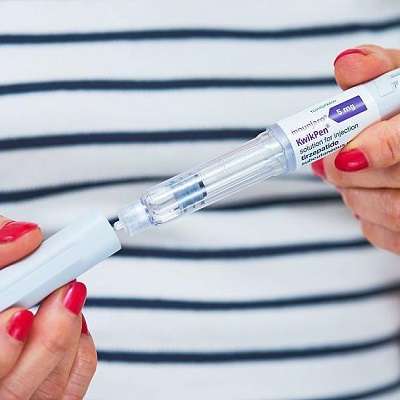

Mounjaro has become an increasingly popular treatment option for people seeking better blood sugar management and support with weight management. Although it can offer significant benefits when prescribed appropriately, some individuals experience digestive side effects, particularly nausea, after their injections. This discomfort is relatively common, especially during the initial stages of treatment or when the dosage increases. Understanding why nausea occurs and how to manage it can make the treatment experience more comfortable.
For individuals exploring Mounjaro Injections Oman, understanding potential side effects is an important part of making informed treatment decisions. Mounjaro contains tirzepatide, which works by activating two hormone receptors involved in blood sugar regulation, appetite control, and digestion. While these effects can support treatment goals, they can also influence how quickly the stomach empties, sometimes resulting in nausea, bloating, or feelings of fullness. Fortunately, several practical lifestyle adjustments can help reduce these symptoms.
1. Understand Why Mounjaro Injections Cause Nausea
Nausea is one of the commonly reported gastrointestinal side effects of Mounjaro. It occurs partly because tirzepatide slows gastric emptying, meaning food remains in the stomach for a longer period. This effect can help individuals feel satisfied after eating smaller portions, but it may also contribute to digestive discomfort.
Several factors can make nausea more noticeable:
-
Slower stomach emptying: Food takes longer to move from the stomach into the small intestine.
-
Dosage increases: Nausea may become more noticeable when the prescribed dose is increased.
-
Large meals: Eating too much can create pressure and discomfort in an already slower-emptying stomach.
-
High-fat foods: Greasy or heavy meals can worsen digestive symptoms.
-
Individual sensitivity: Everyone responds differently to medication, and some people experience more gastrointestinal discomfort than others.
Nausea is often more noticeable when starting treatment or adjusting the dosage. For many individuals, symptoms gradually improve as the body becomes accustomed to the medication. However, persistent or severe nausea should never be ignored.
2. Eat Smaller Meals and Avoid Overeating
One of the simplest ways to reduce nausea after Mounjaro injections is to adjust meal sizes. Since the medication slows stomach emptying, consuming large portions can make the stomach feel excessively full and uncomfortable.
Instead of eating three large meals, smaller and more frequent meals may be easier to tolerate. This approach allows the digestive system to process food more comfortably.
Some helpful eating habits include:
-
Eating smaller portions throughout the day.
-
Taking time to chew food properly.
-
Stopping when comfortably full rather than finishing everything on the plate.
-
Avoiding heavy meals close to bedtime.
-
Eating slowly instead of rushing through meals.
-
Avoiding lying down immediately after eating.
It is also important to pay attention to hunger and fullness signals. Mounjaro may reduce appetite, so individuals should avoid forcing themselves to eat large meals when they are already satisfied.
A balanced eating pattern that includes lean protein, vegetables, whole grains, and easily tolerated foods can support overall nutritional needs while minimizing digestive discomfort.
3. Choose Foods That Are Gentle on the Stomach
Food choices can have a noticeable impact on nausea after Mounjaro injections. Heavy, greasy, spicy, and highly processed foods may aggravate digestive symptoms, particularly during the first few days after an injection.
Choosing lighter meals can help reduce the burden on the digestive system.
Foods that may help with nausea include:
-
Bananas: Soft and relatively easy to digest.
-
Plain toast: A simple carbohydrate that may be easier to tolerate.
-
Rice: Plain rice can provide energy without adding excessive digestive burden.
-
Oatmeal: A gentle breakfast option when prepared without excessive fat.
-
Boiled potatoes: A mild food that can be included in smaller meals.
-
Clear soups: These can provide fluids and nourishment when appetite is reduced.
-
Lean chicken: A source of protein that can be prepared without heavy oils or sauces.
Ginger may also help some people manage mild nausea. Ginger tea or small amounts of fresh ginger may be worth trying if tolerated.
Foods that may worsen nausea include:
-
Fried foods and greasy meals.
-
Very spicy dishes.
-
Rich creamy sauces.
-
High-fat meats.
-
Large quantities of sweets.
-
Carbonated beverages, especially if they cause bloating.
-
Alcohol.
There is no single diet that works for everyone. Individuals should observe how their bodies respond to different foods and adjust their meals accordingly.
4. Stay Hydrated and Use Simple Nausea-Relief Strategies
Dehydration can make nausea and general discomfort worse. Individuals experiencing reduced appetite, vomiting, or digestive upset after Mounjaro injections should pay particular attention to their fluid intake.
Drinking small amounts of water regularly throughout the day may be more comfortable than consuming large quantities at once.
Several practical strategies can help:
Drink water gradually: Taking frequent small sips can help maintain hydration without overwhelming the stomach.
Try ginger tea: Ginger may provide relief from mild nausea for some individuals.
Consider clear fluids: Broth and other suitable clear liquids may help when solid foods are difficult to tolerate.
Avoid excessive caffeine: Too much coffee or other caffeinated beverages may aggravate stomach discomfort in some individuals.
Replace lost fluids: If vomiting or diarrhoea occurs, an appropriate oral rehydration solution may help replace lost fluids and electrolytes.
In addition to hydration, fresh air and gentle movement may help reduce feelings of queasiness. A short, relaxed walk after eating can support general digestive comfort, provided the individual feels well enough.
If nausea is accompanied by repeated vomiting, an inability to keep fluids down, dizziness, or reduced urination, medical attention is important because dehydration can become serious.
5. Follow the Prescribed Dosage and Injection Schedule
Following the recommended dosage and injection schedule is essential for reducing unnecessary side effects. Mounjaro is generally administered once weekly, and treatment typically begins at a lower dose before gradually increasing according to the prescribing professional’s instructions.
The gradual dosage approach allows the body time to adjust to the medication.
Individuals should keep the following points in mind:
-
Follow the prescribed weekly injection schedule.
-
Avoid increasing the dosage without professional guidance.
-
Never take an additional dose to compensate for a missed injection without following the official instructions.
-
Discuss persistent nausea before making any changes to treatment.
-
Inform the prescribing professional about other medications being used.
If nausea becomes difficult to manage after a dosage increase, the prescribing professional may assess whether the treatment schedule needs adjustment.
Patients should not reduce, increase, or discontinue Mounjaro independently. The most appropriate treatment plan depends on individual health needs, medical history, and response to the medication.
It is also important to understand that changing the injection site does not necessarily prevent nausea because this side effect is primarily associated with how the medication works throughout the body.
6. Know When Nausea Requires Medical Attention
Mild nausea may be manageable through dietary and lifestyle adjustments. However, severe or persistent symptoms require medical assessment.
Although gastrointestinal side effects are common with Mounjaro, not every episode of nausea should automatically be considered a normal reaction.
Medical advice should be sought if nausea:
-
Continues for an extended period without improvement.
-
Makes it difficult to eat or drink normally.
-
Occurs alongside frequent vomiting.
-
Interferes with everyday activities.
-
Becomes significantly worse after a dosage increase.
Certain symptoms require urgent medical attention.
Seek urgent medical care if any of the following occur:
-
Severe or persistent abdominal pain, particularly if it spreads towards the back, with or without vomiting. This may indicate pancreatitis.
-
Persistent vomiting or inability to keep fluids down.
-
Signs of dehydration, such as very little urine, severe dizziness, or fainting.
-
Severe abdominal swelling, pain, or constipation accompanied by vomiting, which may indicate a serious gastrointestinal problem.
-
Upper abdominal pain accompanied by fever or yellowing of the skin or eyes, which may indicate gallbladder-related complications.
-
Facial or throat swelling, difficulty breathing, or a severe allergic reaction.
Individuals with diabetes should also monitor their blood glucose as advised, particularly if they take insulin or certain other diabetes medications alongside Mounjaro. Low blood sugar can sometimes cause nausea, sweating, shaking, and dizziness.
Early medical assessment can help identify the underlying cause and prevent complications.
Frequently Asked Questions (FAQs)
1. How long does nausea last after Mounjaro injections?
Nausea varies from person to person. Some individuals experience it for a short period after an injection, while others may notice symptoms for several days. It is often more noticeable when starting treatment or increasing the dosage. Symptoms commonly improve as the body adjusts, but persistent or worsening nausea should be discussed with a healthcare professional.
2. What should someone eat after taking a Mounjaro injection?
Smaller portions of easily tolerated foods may help reduce nausea. Suitable options can include bananas, plain toast, oatmeal, rice, boiled potatoes, clear soups, and lean proteins. Greasy, fried, and very spicy foods may worsen digestive discomfort. Individual food tolerance can vary.
3. Does drinking water help reduce Mounjaro-related nausea?
Staying hydrated can help prevent dehydration, particularly when nausea is accompanied by vomiting or diarrhoea. Drinking small sips of water throughout the day may be easier than consuming large amounts at once. However, water does not directly eliminate the medication’s effects or guarantee that nausea will stop.
4. Is it normal to feel nauseous after every Mounjaro injection?
Some individuals experience nausea after injections, particularly during the early stages of treatment. Others may experience little or no nausea. Experiencing nausea after every injection does not necessarily indicate a serious problem, but frequent or disruptive symptoms should be discussed with the prescribing professional.
5. Can someone prevent nausea by changing the Mounjaro injection time?
Changing the injection time is not a guaranteed way to prevent nausea. Mounjaro is administered once weekly, and it can generally be taken at any time of day, with or without meals. Maintaining a consistent weekly schedule is important. Any changes to the treatment routine should follow the medication instructions and professional advice.
6. Should someone stop taking Mounjaro if nausea becomes uncomfortable?
Mild nausea does not automatically mean that treatment needs to be discontinued. However, persistent or severe symptoms require medical evaluation. A prescribing professional can assess the symptoms and determine whether dosage adjustments, supportive treatment, or another approach is appropriate. Individuals should not stop or change their prescribed medication without professional guidance unless they are experiencing an emergency reaction requiring immediate care.
Conclusion
Nausea after Mounjaro injections can be uncomfortable, but several practical strategies may help make treatment more manageable. Eating smaller meals, choosing gentle foods, drinking sufficient fluids, avoiding greasy dishes, and following the prescribed dosage schedule can all support digestive comfort.
It is equally important to recognize when symptoms require medical attention. Persistent vomiting, severe abdominal pain, dehydration, and other unusual symptoms should never be overlooked. With appropriate guidance, careful dietary choices, and consistent monitoring, individuals can make more informed decisions about their treatment and overall well-being.
Read More About Mounjaro Injections: https://neorural.es/read-blog/114012