
Body contouring is increasingly focused on achieving balanced proportions rather than creating dramatic changes. Many individuals prefer aesthetic treatments that enhance their natural features while maintaining a soft and harmonious appearance. Fat Transfer is one approach that uses a patient’s own fat to restore lost volume, improve selected contours, and create more balanced body proportions.
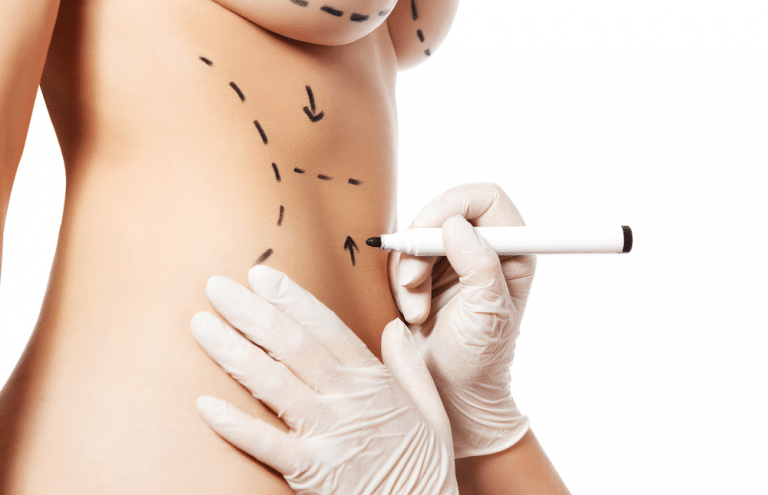
Fat Transfer in Dubai involves collecting fat from areas where excess deposits are present, such as the abdomen, thighs, or flanks. The harvested fat is then processed and carefully transferred to another area that may benefit from additional volume. Depending on individual needs, treatment may be considered for the face, breasts, buttocks, or hands.
One of the main attractions of this technique is that it uses the patient’s own tissue instead of relying entirely on synthetic materials. However, the procedure requires careful planning because not all transferred fat cells survive, and the final outcome varies between individuals.
Choosing the right medical professional is an important part of the process. Patients should consider surgical experience, treatment techniques, medical facilities, and the quality of follow-up care. Exploring established aesthetic providers in Dubai can help individuals understand their options and make informed decisions about achieving naturally enhanced results.
Clinics to Explore for Fat Transfer in Dubai
Dynamic Life Clinic
Dynamic Life Clinic offers aesthetic treatments that include facial rejuvenation and procedures designed to address volume loss. Fat grafting can be considered for individuals seeking a fuller appearance in selected facial areas, particularly where natural volume has diminished over time.
The procedure involves collecting fat from a suitable donor area and transferring processed tissue into targeted facial regions. Careful assessment is necessary to determine whether the patient’s facial anatomy, skin condition, and available donor fat make the treatment appropriate.
Patients considering Fat Transfer should discuss the expected degree of volume restoration, the possibility of fat reabsorption, and the recovery process during consultation. Understanding these factors helps establish realistic expectations and supports a more informed treatment decision.
Enfield Royal Clinic Dubai
Located in Dubai, UAE, Enfield Royal Clinic Dubai specializes in plastic surgery, cosmetic procedures, and aesthetic treatments. Its services include surgical and non-surgical options, with relevant expertise in plastic surgery and breast-related aesthetic procedures.
For patients exploring Fat Transfer, the clinic provides an opportunity to discuss suitable fat-based enhancement options according to individual anatomy and aesthetic preferences. Treatment planning should take into account the intended treatment area, available donor fat, medical history, and realistic expectations.
The clinic has DHA-licensed medical professionals and emphasizes personalized treatment planning. Patients can discuss the procedure, surgical approach, potential risks, and anticipated recovery requirements before making a decision. Procedure-specific aftercare and follow-up guidance are also important considerations throughout the treatment journey.
Tajmeels Clinic
Tajmeels Clinic provides cosmetic and plastic surgery services for individuals interested in improving body proportions and restoring volume. Its fat transfer treatment information covers procedures that use harvested body fat to enhance selected areas.
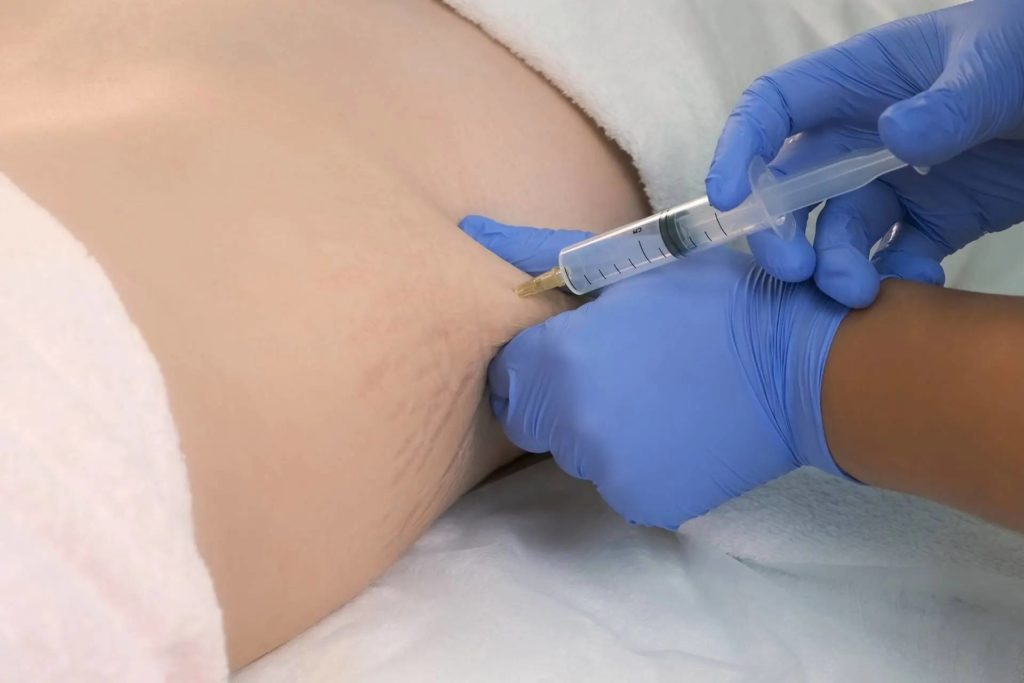
The process typically involves liposuction, preparation of the collected fat, and careful placement into the intended area. Depending on the patient’s suitability, treatment may be considered for areas such as the face, breasts, or buttocks.
Patients should discuss the amount of fat that can safely be transferred and understand that some of the injected fat may be absorbed naturally during recovery. A personalized consultation can help clarify the expected outcome, potential limitations, and appropriate treatment approach.
How to Choose the Right Clinic for Fat Transfer
Choosing a clinic for a surgical aesthetic procedure requires careful consideration. Patients should look beyond promotional material and evaluate the medical team’s qualifications, surgical environment, treatment methods, and communication standards.
Experience and Qualifications
The professional performing the procedure should have appropriate surgical qualifications and experience in fat harvesting and grafting. Patients should ask about experience with their intended treatment area and who will be responsible for each stage of the procedure.
Relevant training in body contouring and an understanding of anatomy are particularly important because different treatment areas require different techniques.
Technology and Techniques
The quality of fat harvesting, processing, and injection techniques can influence the treatment process. Clinics should be able to explain the equipment used and how collected fat is prepared before transfer.
Gentle tissue handling and appropriate placement techniques are important considerations. Patients should also understand that technical methods cannot guarantee that all transferred fat will survive.
Safety Standards
A suitable medical facility should maintain appropriate sterilization, anesthesia, and patient-monitoring standards. The surgical team should explain possible complications, including infection, bleeding, swelling, contour irregularities, fat necrosis, and complications associated with anesthesia.
For buttock enhancement, particular attention should be given to established fat-grafting safety protocols, including appropriate injection depth and techniques that minimize the risk of fat embolism.
Consultation Process
An effective consultation should involve a detailed discussion of the patient’s goals, medical background, donor areas, and treatment suitability.
The practitioner should explain the procedure, expected limitations, possible complications, and recovery requirements. Patients should have sufficient time to ask questions before agreeing to treatment.
Patient Experience
A positive treatment experience depends on clear communication and consistent medical support. Patients should receive understandable preparation instructions, information about recovery, and access to appropriate follow-up appointments.
It is also useful to ask how the clinic handles post-procedure concerns and whether written aftercare guidance is provided.
Expected Results
The final appearance develops gradually as swelling decreases and the transferred fat settles. Some fat cells are naturally reabsorbed, while surviving cells may establish a lasting presence in the treated area.
Results depend on individual healing, surgical technique, treatment location, and lifestyle factors. Significant weight changes may also affect the appearance over time. Patients should therefore approach the procedure with realistic expectations rather than expecting an exact or guaranteed volume increase.
Frequently Asked Questions
What makes fat transfer different from dermal fillers?
Fat grafting uses tissue collected from the patient’s own body, whereas dermal fillers generally use injectable substances to restore volume. Fat grafting involves a surgical harvesting process, while many filler treatments are minimally invasive. The appropriate option depends on the treatment area and individual goals.
How much fat is needed for a transfer procedure?
The required amount varies according to the treatment area, desired enhancement, and available donor fat. The surgeon evaluates these factors during consultation to establish an appropriate treatment plan.
Does transferred fat feel natural?
Once healing is complete, surviving fat cells become part of the treated tissue. The resulting area may have a natural softness, although the final feel and appearance depend on the technique, treatment location, and individual healing.
Can fat transfer improve uneven body contours?
It may help address selected contour irregularities by adding volume to areas that appear less full. However, suitability depends on the underlying cause of the unevenness, available donor fat, and the patient’s overall anatomy.
When can normal activities resume after fat transfer?
The recovery period varies depending on the amount of fat harvested and the area treated. Patients may need to restrict strenuous exercise and follow specific positioning or pressure-related instructions. The treating surgeon should provide an individualized timeline for returning to normal activities.
Conclusion
Natural-looking body enhancement depends on careful planning, appropriate surgical techniques, and realistic expectations. Fat grafting offers an option for individuals who want to redistribute their own body fat to restore volume and refine selected contours. However, patient suitability, fat survival, and recovery requirements should always be considered before proceeding.
When exploring treatment in Dubai, patients should evaluate medical qualifications, surgical safety, consultation quality, and aftercare arrangements. A detailed assessment with an experienced medical professional can help determine whether the Fat Transfer is appropriate and establish an approach that respects individual anatomy and aesthetic preferences.