
A hair transplant is designed to restore hair in areas affected by thinning or baldness. However, one common concern among people considering the procedure is what happens to their existing hair. Patients often wonder whether natural hair will continue growing, whether transplanted follicles can affect surrounding hair, and if further hair loss is possible after surgery.
Understanding how a hair transplant affects existing hair is important for setting realistic expectations. The procedure moves healthy hair follicles from a donor area to areas experiencing hair loss. While transplanted follicles are intended to grow in their new location, the natural hair surrounding them may continue to experience changes associated with hereditary hair loss, ageing, or other scalp conditions.
Does Existing Hair Remain After a Hair Transplant?
In most cases, existing hair remains in place after a hair transplant. The procedure focuses on relocating selected hair follicles rather than removing all the natural hair from the recipient area.
During treatment, small openings are created in the scalp to place the transplanted follicles. These openings are carefully planned to accommodate the new grafts while considering the position of existing hair.
However, some temporary shedding can occur following surgery. This is sometimes called shock loss and may affect both transplanted and surrounding natural hair. It is important to understand that temporary shedding does not necessarily mean permanent hair loss.
Why Can Existing Hair Fall Out After Hair Transplant Surgery?
Shock loss is one of the main reasons patients notice changes in their existing hair after a transplant. It can happen when the scalp experiences temporary stress from the surgical process.
Several factors may contribute to this condition:
Surgical stress: The scalp undergoes a healing process after follicle extraction and implantation.
Local inflammation: Temporary inflammation around the treatment area may affect nearby hair follicles.
Changes in blood circulation: The scalp needs time to recover and support the healing tissue.
Pre-existing hair weakness: Naturally thinning follicles may be more vulnerable to temporary shedding.
Shock loss can affect different patients in different ways. In many cases, affected follicles recover and begin producing hair again. However, if follicles were already severely weakened by progressive hair loss, some shedding may be permanent.
Does Transplanted Hair Affect the Growth of Natural Hair?
Transplanted follicles do not automatically stop existing hair from growing. Once the scalp has recovered, natural and transplanted hair can grow together in the same area.
The final appearance depends on several factors, including hair density, follicle health, scalp condition, and the progression of underlying hair loss.
A properly planned transplant considers the relationship between existing and transplanted hair. This helps create a balanced appearance instead of concentrating too much density in one area.
Patients should also understand that a hair transplant does not prevent future hair thinning. Natural hair may continue to become thinner over time, even when transplanted follicles remain healthy.
What Happens to Existing Hair During the Recovery Period?
Hair transplant recovery takes place gradually. Patients should not expect immediate visible density because the scalp needs time to heal and the transplanted follicles follow their natural growth cycle.
The recovery process generally includes the following stages:
First Few Days
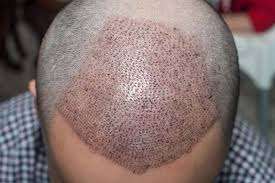
The scalp may experience redness, mild swelling, tenderness, and small scabs around the implanted follicles. Patients should follow their clinic’s washing and aftercare instructions to protect the grafts.
First Few Weeks
Some transplanted hair shafts may shed. Existing hair may also experience temporary shedding due to shock loss. This is generally an expected part of the recovery process.
Following Months
New hair growth gradually becomes noticeable as transplanted follicles enter their active growth phase. Any temporarily affected natural hair may also begin recovering, depending on follicle health.
Around 9–12 Months
Many patients can assess more developed results during this period. However, growth speed and final outcomes vary depending on individual characteristics and the treatment approach.
Can Existing Hair Continue Thinning After a Transplant?
Yes. A hair transplant restores hair in selected areas, but it does not cure the underlying causes of hereditary hair loss.
For example, someone who receives a transplant to restore a receding hairline may continue experiencing thinning around the crown or middle scalp. This can create differences in density over time.
This is why long-term planning is important. Patients should discuss their current hair loss pattern, family history, donor hair availability, and possible future thinning during consultation.
Depending on individual needs, a qualified medical professional may also discuss suitable hair-loss management options to help maintain existing hair.
How Can Patients Protect Their Existing Hair After Surgery?
Following professional aftercare instructions is essential for supporting scalp recovery and protecting both natural and transplanted hair.
Patients can consider the following recommendations:
Follow the prescribed scalp-washing routine.
Avoid scratching, rubbing, or putting unnecessary pressure on the recipient area.
Follow instructions regarding physical activity and sun exposure.
Avoid using unapproved hair products during early recovery.
Attend scheduled follow-up appointments.
Discuss ongoing hair thinning with a qualified healthcare professional.
Patients should avoid starting medications or applying treatments without professional guidance, particularly during the initial healing period.
How Does Tajmeels Clinic Approach Existing Hair Preservation?
At tajmeels clinic dubai, hair transplant planning involves considering the patient’s existing hair, donor area, scalp condition, and overall hair loss pattern. An individual assessment helps determine the suitability of treatment and how transplanted follicles may be positioned around natural hair.
The clinic-based approach focuses on understanding current hair density, evaluating areas of thinning, and discussing realistic expectations for future growth. Preserving existing hair is an important consideration when planning a natural-looking result.
Patients can discuss their concerns about shock loss, recovery, future hair thinning, and suitable aftercare during their consultation. Personalised planning helps ensure that treatment decisions are based on individual needs rather than a standard approach.
Frequently Asked Questions
1. Will my existing hair fall out permanently after a hair transplant?
Not necessarily. Some patients experience temporary shock loss, and affected hair may grow back. However, severely weakened follicles may not fully recover.
2. Can natural hair grow alongside transplanted hair?
Yes. Existing and transplanted hair can grow together. Their appearance depends on follicle health, hair density, and the progression of natural hair loss.
3. Does a hair transplant stop future hair loss?
No. A transplant restores hair in selected areas but does not stop hereditary hair loss from affecting untreated natural follicles.
4. When does existing hair recover after shock loss?
Recovery varies between individuals. Some patients notice improvement over several months, while others may require further medical assessment.
Conclusion
Existing hair usually remains after a hair transplant, but temporary shedding can occur as the scalp adjusts to the surgical procedure. Understanding shock loss, natural hair growth cycles, and future thinning helps patients develop realistic expectations. Proper assessment, careful treatment planning, and consistent aftercare all contribute to supporting a balanced and natural-looking outcome.