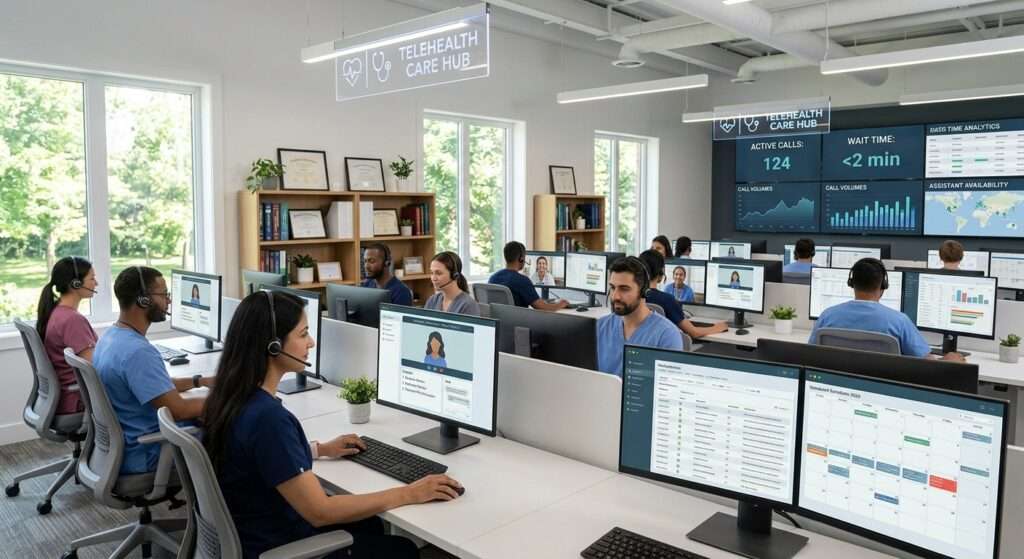

Clear communication is one of the most important parts of providing quality healthcare. Medical practices serve patients from different cultural and language backgrounds, and not everyone feels comfortable communicating in English. Language barriers can make it difficult for patients to schedule appointments, understand basic instructions, or receive information about medical services. A bilingual answering service helps healthcare organizations overcome these challenges while creating a more accessible and welcoming patient experience.
1. Improves Communication With Diverse Patients
Healthcare providers need effective communication to understand patient inquiries and provide appropriate assistance. When patients cannot comfortably communicate in English, misunderstandings may occur. Bilingual answering professionals help patients communicate in their preferred language, making phone interactions easier and more convenient. This approach also encourages patients to ask questions and feel more confident when contacting a medical office.
2. Creates a Better Patient Experience
First impressions matter in healthcare. When patients call a medical practice, they expect respectful, friendly, and helpful communication. Language difficulties can make simple interactions stressful, especially for patients seeking appointments or general information. A bilingual answering service creates a more comfortable experience by helping patients understand information and communicate their needs without unnecessary confusion.
3. Provides Reliable Front Desk Support
Managing incoming calls, appointment requests, and patient inquiries can become challenging for busy healthcare offices. A professional Medical virtual receptionist can assist with call handling, appointment coordination, message collection, and general administrative communication. When bilingual capabilities are available, practices can provide more inclusive front desk support while maintaining professional communication with different patient groups.
4. Reduces Language Barriers During Appointment Scheduling
Appointment scheduling is a routine but essential administrative responsibility. Patients may need help booking consultations, confirming appointments, or understanding scheduling instructions. Language barriers can make these tasks more complicated and increase the possibility of missed appointments. Bilingual answering support helps patients receive clear scheduling information and makes the appointment process more convenient for everyone involved.
5. Strengthens Patient Trust and Relationships
Trust is essential for building long-term relationships between healthcare providers and patients. People often feel more comfortable when they can express themselves in a familiar language. A Bilingual answering service allows medical practices to communicate with patients from different linguistic backgrounds more effectively. This demonstrates consideration for individual communication needs and helps create a welcoming healthcare environment.
6. Supports Efficient Healthcare Administration
Healthcare staff handle numerous responsibilities, including patient communication, documentation, appointment management, and office coordination. Managing every incoming call can interrupt important daily activities. Virtual administrative support helps healthcare practices organize routine communication tasks and maintain smoother workflows. It also allows in-house employees to dedicate more attention to their primary responsibilities.
7. Expands Access Through Virtual Healthcare Solutions
Modern healthcare organizations increasingly use remote administrative services to improve accessibility and operational efficiency. A Virtual assistant healthcare solution can support appointment scheduling, patient inquiries, call management, and other non-clinical responsibilities. Combining virtual assistance with bilingual communication can help practices serve broader communities while maintaining organized administrative processes.
Conclusion
Healthcare practices should consider bilingual answering services because they improve communication, reduce language barriers, and create a more welcoming patient experience. From appointment scheduling to professional front desk assistance, bilingual support helps medical offices manage patient interactions more effectively. By investing in reliable virtual communication solutions, healthcare providers can strengthen patient relationships, improve administrative efficiency, and make their services more accessible to diverse communities.