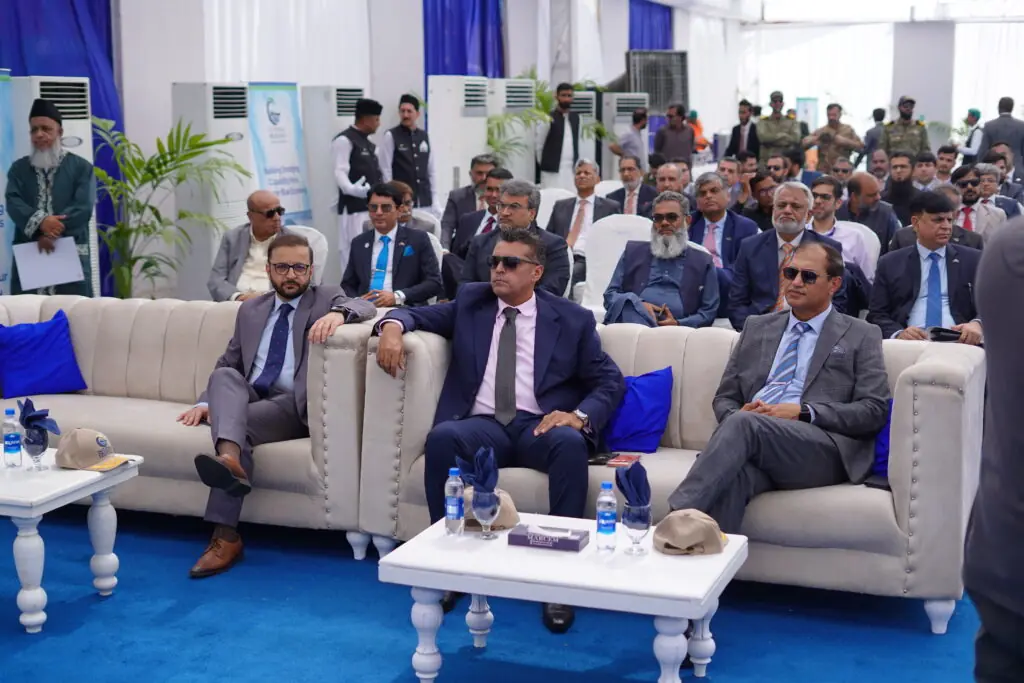

Organizing a successful event involves much more than selecting a venue and inviting guests. It requires careful preparation, financial planning, supplier coordination, creative direction, and responsible execution. Whether an organization is arranging a corporate conference or a family is preparing for a wedding, choosing the right event planning company can influence the entire experience.
Pakistan has a diverse event industry, with professional services available for corporate gatherings, exhibitions, weddings, private celebrations, product launches, and social functions. However, companies differ in their experience, available resources, service capabilities, and approach to managing events.
Understanding what to look for before hiring an event planner helps clients compare their options and make informed decisions.
1. Understand Your Event Requirements Before Hiring a Planner
Before approaching an event planning company, identify the purpose and basic requirements of your occasion.
A corporate conference may require presentation equipment, registration facilities, speaker coordination, and professional seating arrangements. A wedding celebration may involve stage decoration, catering, entertainment, photography, and guest hospitality.
Start by identifying:
-
The type and purpose of the event.
-
The expected number of attendees.
-
Preferred dates and locations.
-
Your approximate budget.
-
Required services and facilities.
-
Special arrangements for guests.
-
Your preferred event style and atmosphere.
Having these details ready makes discussions with potential planners more productive. It also helps companies prepare proposals that reflect your actual requirements rather than generic service packages.
2. Evaluate the Experience of the Event Planning Company
Experience is an important consideration when selecting an event organizer. Different event formats involve different operational challenges, and previous experience can help a planning team anticipate practical requirements.
Ask companies about their experience with conferences, corporate dinners, exhibitions, wedding functions, product launches, and private celebrations.
A company that regularly handles large corporate gatherings may have experience coordinating technical production, business presentations, registration, and VIP hospitality. Wedding planning may require different capabilities, particularly in decoration, catering, entertainment, and family coordination.
Review completed projects and ask questions about the company’s specific responsibilities. This helps distinguish actual event management experience from promotional descriptions.
3. Review the Company’s Portfolio and Previous Events
A portfolio provides useful insight into the quality and variety of events a company has handled.
When reviewing previous projects, look for examples that are relevant to your requirements. Pay attention to venue arrangements, stage design, decoration, lighting, catering presentation, and overall event organization.
Do not evaluate a company only by the most impressive photographs in its portfolio. Ask whether the examples represent its own completed projects and whether its team handled the planning and execution.
For larger events, it is also useful to understand how the company coordinated different suppliers and managed operational responsibilities.
4. Compare the Range of Event Planning Services
A professional event management company may provide several services under one coordinated arrangement.
These can include:
-
Event concept development and planning.
-
Venue research and booking.
-
Stage design and decoration.
-
Catering and food service.
-
Audio-visual production.
-
Lighting and sound management.
-
Photography and videography.
-
Entertainment and artist coordination.
-
Guest registration and hospitality.
-
Transportation and accommodation.
-
On-site supervision and event execution.
Not every client needs every service. The important consideration is whether the company can manage the specific requirements of your event.
A broader service capability can also reduce the need for clients to coordinate several independent suppliers.
5. Check Whether the Company Understands Your Budget
Budget management is one of the most important parts of event planning.
Before selecting a company, request a detailed quotation that separates major expenses. This may include venue rental, decoration, catering, equipment, entertainment, staffing, and transportation.
Compare proposals carefully rather than choosing exclusively on the lowest quoted amount.
Ask whether the quotation includes:
-
Supplier and service charges.
-
Transportation and installation.
-
Equipment rental.
-
Additional staffing.
-
Taxes or applicable fees.
-
Setup and dismantling.
-
Potential additional expenses.
A transparent proposal makes it easier to understand where the budget will be allocated and which services are included.
It is also sensible to maintain a contingency allowance for unexpected requirements or changes.
6. Evaluate Venue Selection and Local Knowledge
The venue influences the layout, guest experience, technical setup, catering arrangements, and overall event budget.
An experienced planner should understand how to evaluate locations according to the event’s purpose.
For corporate functions, this may involve conference halls, hotels, exhibition facilities, and business venues. Weddings may require banquet halls, marquees, farmhouses, gardens, or outdoor locations.
Consider the following factors:
-
Venue capacity and available space.
-
Accessibility and parking.
-
Guest transportation.
-
Electricity and backup facilities.
-
Catering and kitchen arrangements.
-
Decoration and stage installation.
-
Audio-visual facilities.
-
Rental conditions and restrictions.
Local knowledge is particularly useful in major cities such as Karachi, Lahore, and Islamabad, where traffic, venue availability, supplier networks, and seasonal demand can affect planning decisions.
7. Understand the Company’s Corporate Event Capabilities
Corporate events require a structured approach because they often involve organizational objectives, brand presentation, senior management, employees, clients, and business partners.
A professional corporate event planner should understand the requirements of conferences, seminars, annual dinners, exhibitions, award ceremonies, and product launches.
For example, a conference may need a detailed speaker schedule, registration counters, presentation screens, sound equipment, and catering arrangements. A product launch may require branded installations, demonstration areas, media facilities, and a coordinated programme.
Ask the company whether it can manage the event from initial concept development through technical production and final execution.
8. Assess Wedding Planning and Social Event Expertise
Wedding celebrations and private occasions require a different planning approach from corporate functions.
In Pakistan, wedding events may include engagement ceremonies, dholki, mehndi, nikah, barat, and walima. Each function can have different requirements for venue selection, decoration, catering, entertainment, photography, and guest arrangements.
A capable wedding planning team should listen carefully to the family’s preferences and understand cultural traditions before proposing a design or schedule.
For multiple wedding functions, ask how the company will coordinate suppliers, venues, deliveries, and staff across different dates.
Clear communication with the family is particularly important when several people are involved in approving arrangements.
9. Review Communication and Project Management
Communication can influence the quality of the entire planning experience.
Before hiring an event company, identify who will serve as your main contact and how often you will receive updates.
A reliable planning process should include:
-
Initial requirement discussions.
-
Written proposals and cost estimates.
-
Clear approval procedures.
-
Confirmed supplier responsibilities.
-
Preparation schedules.
-
Regular progress updates.
-
An event-day communication plan.
Clients should also understand how changes will be handled and who is authorized to approve additional costs or modifications.
These procedures reduce confusion and make responsibilities easier to track.
10. Check Vendor Coordination and Production Resources
Many events require different suppliers to work together. These may include decorators, caterers, photographers, sound technicians, lighting specialists, furniture providers, and entertainment teams.
Ask how the event management company selects and coordinates these suppliers.
Important questions include whether delivery times are confirmed, who supervises installations, how technical checks are completed, and what happens if a supplier encounters an unexpected problem.
For larger events, the planning company should establish a clear operational structure so that different teams understand their responsibilities.
11. Ask About Event-Day Management
Planning an event is only part of the responsibility. The arrangements must also be supervised during actual execution.
Before signing an agreement, confirm whether the company will provide on-site coordination and identify the person responsible for managing the event.
The event-day team may oversee:
-
Venue readiness.
-
Decoration and stage inspections.
-
Catering preparation.
-
Technical equipment testing.
-
Guest arrivals and registration.
-
Programme timing.
-
Supplier communication.
-
Unexpected operational issues.
Having a designated coordinator helps maintain communication between the client, venue, suppliers, and event staff.
12. Consider Guest Experience and Hospitality
The guest experience should be considered throughout the planning process.
This includes how attendees receive invitations, enter the venue, locate their seats, access facilities, and receive assistance.
Corporate functions may require registration desks, reserved seating, VIP hospitality, and directional signage. Weddings may involve family seating, reception arrangements, food service, and transportation coordination.
For large gatherings, guest movement and venue accessibility should be reviewed before finalizing the layout.
13. Check Reviews, References, and Client Feedback
Client feedback can provide additional information about a company’s communication, reliability, service quality, and event execution.
Look for consistent feedback across relevant platforms and consider whether reviews describe actual completed services.
Where possible, request references from previous clients who organized similar occasions.
Ask about the company’s ability to meet deadlines, manage suppliers, communicate changes, and resolve issues.
A balanced evaluation should consider the portfolio, written proposal, experience, and client feedback together.
14. Review the Agreement Before Confirming the Booking
Before making an advance payment, review the service agreement carefully.
The document should explain the services being provided, payment schedule, cancellation conditions, supplier responsibilities, event dates, and any exclusions.
Confirm whether changes to the guest count, venue, schedule, or service requirements will affect the final quotation.
Having responsibilities documented reduces misunderstandings and provides a clear reference throughout the preparation period.
15. Why a Professional Event Management Partner Matters
Managing an event independently can involve significant time and coordination, particularly when several suppliers and operational teams are required.
A professional planning company brings different services together under an organized process. Its responsibilities may include preparing the event plan, coordinating vendors, monitoring schedules, supervising installations, and managing event-day activities.
For individuals and organizations comparing professional providers, reviewing established companies such as MARCEM Events can provide a starting point for exploring event planning and management services in Pakistan.
The right planning partner should be selected according to relevant experience, service capabilities, budget transparency, and the specific requirements of the occasion.
Conclusion
Choosing an event planning company is an important decision that affects the preparation, coordination, and execution of an occasion.
Clients should evaluate experience, previous projects, service coverage, pricing, communication, supplier coordination, and event-day supervision before making a commitment.
Whether the requirement involves a corporate conference, wedding celebration, exhibition, product launch, or private gathering, a structured selection process helps identify a planning partner capable of managing the arrangements.
Careful research and clear communication from the beginning provide a stronger foundation for organizing successful events across Pakistan.