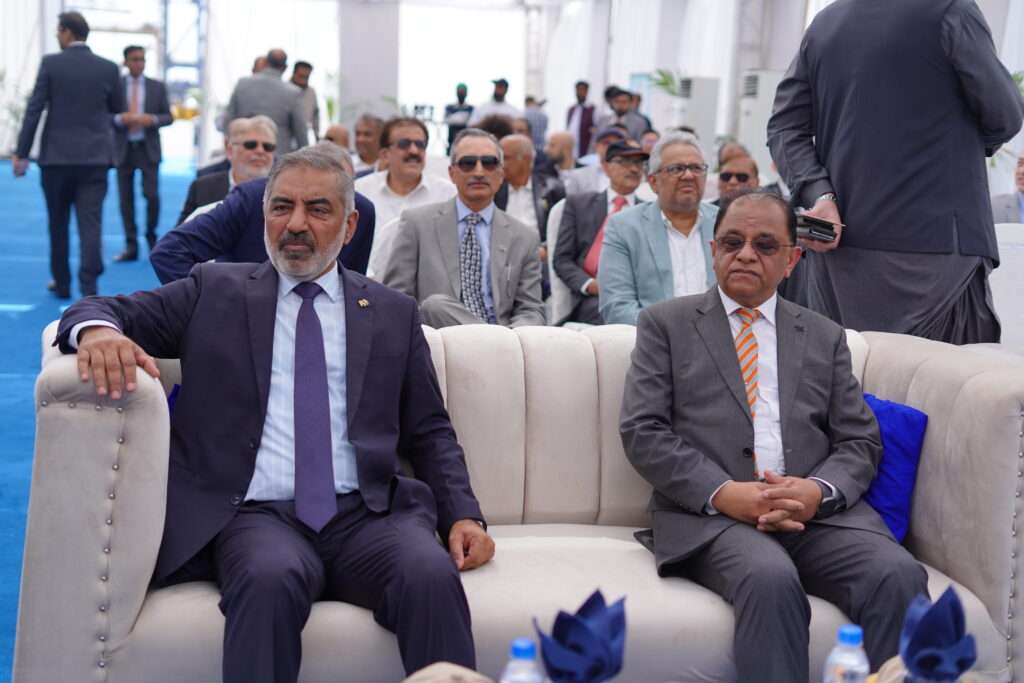

Events bring people, businesses, and communities together for different purposes. From corporate conferences and product launches to weddings and private celebrations, every occasion requires proper planning, coordination, and execution. Behind a successful event is a structured process that connects the client’s objectives with the practical arrangements needed to deliver the occasion.
A professional event management company in Pakistan typically handles several responsibilities, including event concept development, budgeting, venue selection, supplier coordination, decoration, catering, technical production, guest management, and on-site supervision. The scope of these services depends on the event’s size, purpose, location, and available budget.
Understanding how professional event management works can help individuals and businesses choose the right planning partner and prepare more effectively for their upcoming occasions.
1. Understanding the Purpose and Objectives of an Event
The first stage of event management is understanding why an event is being organized and what the client expects to achieve.
A business planning a conference may want to introduce a new strategy, connect with industry professionals, or communicate important developments. A company organizing an annual dinner may focus on employee recognition and relationship building. Wedding celebrations, on the other hand, involve family preferences, cultural traditions, guest expectations, and personal arrangements.
Before developing an event proposal, planners generally discuss:
The purpose and type of event.
Expected attendance and guest profile.
Preferred date, location, and duration.
Available budget and service expectations.
Branding, entertainment, and technical requirements.
Special guest arrangements and accessibility needs.
Defining these details creates a practical starting point for the planning process.
2. Developing an Event Concept and Planning Strategy
Once the objectives are established, the planning team develops a concept that reflects the nature of the occasion.
Corporate events often require a professional environment with organized presentations, branded installations, appropriate seating, and reliable audiovisual equipment. Wedding celebrations may involve themed decoration, stage arrangements, floral installations, lighting, and customized hospitality.
The concept should be realistic in relation to the available venue, budget, schedule, and technical resources.
A detailed planning strategy also identifies the major responsibilities of the organizing team. This may include event design, supplier management, production, catering, transportation, guest registration, and venue coordination.
A well-defined strategy makes it easier to monitor progress and manage different arrangements throughout the preparation period.
3. Preparing an Event Budget and Cost Breakdown
Budget planning is an important part of organizing any event. Without a clear financial structure, expenses can increase as additional requirements emerge.
Professional planners prepare estimates based on the client’s priorities and expected attendance. Common expense categories include:
Venue rental and associated facilities.
Food, beverages, and catering staff.
Stage design, decoration, and floral arrangements.
Sound systems, lighting, and LED screens.
Photography and videography.
Entertainment and performers.
Furniture, equipment, and temporary installations.
Transportation, security, and operational staffing.
The final cost depends on the venue, event duration, guest count, service specifications, and quality of materials.
Clients should request itemized proposals that explain what is included, what may incur additional charges, and when payments are due. Maintaining a contingency allowance can also help address unexpected expenses.
4. Selecting a Suitable Event Venue
Venue selection influences almost every other planning decision. The location must accommodate the expected audience while providing the facilities required for the occasion.
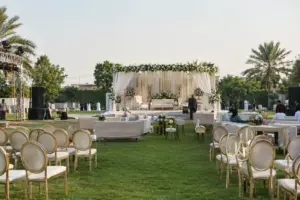
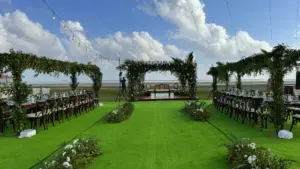
For corporate conferences, planners may consider conference halls, hotels, business facilities, and exhibition spaces. Wedding celebrations may require banquet halls, marquees, farmhouses, gardens, or outdoor venues.
Important venue considerations include:
Maximum guest capacity.
Location and accessibility.
Parking and transportation facilities.
Electricity and backup power.
Catering arrangements and kitchen facilities.
Stage and audiovisual installation possibilities.
Seating configurations and guest movement.
Rental charges and booking conditions.
A site inspection is useful before confirming a venue. It allows the planning team to assess available space, identify technical limitations, and understand how the event layout will work.
5. Coordinating Corporate Events and Business Functions
Corporate events require planning that reflects an organization’s objectives, brand identity, and professional standards.
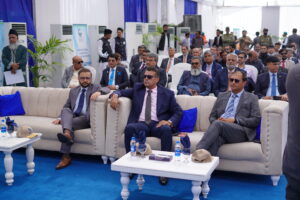
A corporate event management company may organize conferences, seminars, exhibitions, product launches, annual dinners, award ceremonies, executive meetings, and employee engagement activities.
Each format has different operational requirements.
For example, a business conference may need delegate registration, presentation screens, stage management, speaker coordination, refreshments, and technical support. A product launch may require branded backdrops, demonstration areas, media coordination, lighting, and a carefully structured programme.
Businesses seeking specialized arrangements can explore corporate event management services in Pakistan to understand the different planning and production requirements involved in professional corporate functions.
The event programme should also be reviewed with the client before the final arrangements are confirmed. This helps ensure that speakers, presentations, entertainment, and other activities follow an appropriate schedule.
6. Managing Conferences, Exhibitions, and Product Launches
Large professional gatherings require coordination between several teams and service providers.
Conference planning can involve venue preparation, stage production, registration counters, seating layouts, speaker facilities, presentation equipment, and catering. Exhibitions may require booth construction, branding, visitor movement planning, display arrangements, and exhibitor coordination.
Product launches involve another set of considerations. The planning team must understand the product, target audience, presentation format, media requirements, and brand guidelines before developing the event setup.
For organizations planning these occasions, professional conference event planning services provide a relevant starting point for understanding conference production and event coordination requirements.
A detailed event schedule helps keep these activities organized and reduces the likelihood of conflicting arrangements.
7. Organizing Weddings and Private Celebrations
Wedding planning involves several interconnected services, particularly when celebrations take place across multiple days or venues.
In Pakistan, wedding functions may include engagement ceremonies, dholki, mehndi, nikah, barat, and walima. Each function can require different decoration concepts, seating arrangements, catering styles, entertainment, and guest management.
Private celebrations such as birthdays, anniversaries, family gatherings, and milestone occasions also benefit from advance planning.
Important considerations include:
Understanding the family’s preferences and traditions.
Selecting an appropriate venue.
Planning the stage, entrance, and decoration.
Coordinating food menus and serving arrangements.
Managing photography and videography.
Organizing entertainment and event schedules.
Arranging seating and guest hospitality.
The planning team should maintain regular communication with the family to confirm important decisions and avoid last-minute changes.
8. Managing Catering and Guest Hospitality
Food service is an important part of many events in Pakistan. The catering arrangements should reflect the occasion, expected attendance, menu preferences, venue facilities, and service format.
Corporate gatherings may require breakfast, refreshments, lunch, hi-tea, buffet service, or formal dinners. Weddings and social celebrations may involve traditional Pakistani dishes, barbecue, live cooking stations, desserts, and customized menus.
Catering coordination includes:
Menu selection and confirmation.
Estimating food quantities.
Arranging serving counters and buffet layouts.
Coordinating kitchen and service staff.
Managing food presentation.
Confirming serving schedules.
Addressing dietary and special guest requirements.
Businesses and families comparing food arrangements can review catering services in Karachi for examples of catering options and service considerations.
The catering team should coordinate closely with the venue and event manager so that food service follows the programme and accommodates the expected guest flow.
9. Coordinating Decoration, Stage Design, and Technical Production
The visual and technical elements of an event influence how guests experience the occasion.
Decoration teams may handle floral installations, stage backdrops, entrance arrangements, table settings, lighting concepts, and themed venue styling. Technical production teams manage sound systems, microphones, LED screens, projectors, stage lighting, and other equipment.
These services should be planned together rather than treated as separate activities.
For example, a conference stage must provide appropriate visibility for speakers and presentation screens. A wedding stage needs to consider photography angles, guest seating, lighting, and the overall decoration theme.
Before guests arrive, technical teams should test equipment, inspect connections, and confirm that backup arrangements are available where necessary.
10. Managing Event Suppliers and Operational Teams
Most medium-sized and large events involve multiple suppliers. These may include decorators, caterers, photographers, equipment providers, entertainers, transportation companies, and technical production teams.
An event manager coordinates their responsibilities and confirms the requirements of each supplier.
A practical supplier management process includes:
Identifying the services required.
Reviewing supplier experience and proposals.
Confirming costs and service agreements.
Establishing delivery and setup deadlines.
Sharing the approved event schedule.
Monitoring progress before and during the event.
Clear communication reduces confusion and helps each team understand when and where its work is required.
11. Preparing the Event-Day Schedule
An event schedule connects all the individual arrangements into one operational plan.
It should identify the time for venue access, equipment delivery, decoration setup, technical checks, rehearsals, guest arrival, programme activities, food service, and closing procedures.
A larger event may require separate schedules for different teams.
For example, the technical production team may need access several hours before the decoration team completes its work. Catering staff may require a separate preparation window, while registration personnel need to be ready before the first attendees arrive.
The event manager monitors these deadlines and communicates changes to the relevant teams.
12. Managing Guest Experience and Event Logistics
A successful event should be convenient and accessible for the people attending it.
Guest management includes invitation coordination, registration, seating, reserved areas, parking, transportation, reception desks, and assistance for special guests.
For larger corporate events, registration systems and clear directional signage can help visitors move through the venue. Wedding functions may require family seating arrangements, VIP areas, guest reception, and coordinated food service.
Traffic conditions, venue access, weather, and local transportation requirements should also be considered when preparing the operational plan.
13. On-Site Supervision and Final Event Execution
The event-day management team oversees the arrangements and checks that everything is ready before the programme begins.
Responsibilities may include:
Inspecting venue decoration and furniture.
Confirming catering readiness.
Testing microphones, sound, and display systems.
Checking stage and entrance arrangements.
Briefing event staff and suppliers.
Coordinating guest arrivals.
Monitoring the event programme.
Resolving unexpected operational issues.
A designated event coordinator acts as the communication point between the client, venue, suppliers, and production teams.
This coordination is particularly important when several activities are taking place simultaneously.
14. Reviewing the Event After Completion
The final stage involves closing operational responsibilities and reviewing the overall event.
This may include equipment removal, venue clearance, supplier coordination, outstanding payments, and returning rented materials.
Corporate clients may also review attendance, participant feedback, programme delivery, and other performance indicators. These observations can help identify improvements for future events.
Post-event communication also gives the client an opportunity to discuss completed services and any outstanding requirements.
15. How to Choose an Event Management Company in Pakistan
Choosing an event management company should involve more than comparing quotations. Clients should assess the company’s experience, service capabilities, portfolio, communication, and ability to manage the required event format.
Consider the following questions before making a decision:
Does the company have relevant experience?
Ask for examples of completed events that are similar in size and purpose to your occasion.
Can it manage multiple services?
Check whether the team can coordinate venue selection, catering, decoration, technical production, and other required arrangements.
Are costs and responsibilities clearly explained?
Request a written proposal outlining deliverables, estimated costs, exclusions, and payment conditions.
Does it have an operational team?
Confirm who will supervise suppliers, coordinate the event schedule, and manage on-site requirements.
Can it understand your objectives?
A professional planning partner should understand the reason behind the event and develop arrangements that support the client’s expectations.
Reviewing these points helps clients select a company based on its capabilities rather than promotional claims alone.
Conclusion
Professional event management requires more than arranging a venue and hiring suppliers. It involves understanding objectives, developing a practical budget, coordinating services, preparing schedules, managing guests, and supervising every important stage of execution.
Whether an organization is arranging a conference or a family is preparing for a wedding, a structured planning process helps bring different responsibilities together.
By evaluating experience, service capabilities, communication, and operational planning, clients can make informed decisions when choosing an event management company in Pakistan. The right planning approach provides a clear framework for delivering an organized event from the first discussion to the final venue checks.