
Maintaining a beautiful and healthy lawn requires regular grass cutting and proper garden care. Whether you have a small home garden, a large lawn, a commercial landscape or an agricultural property, having the right equipment makes grass maintenance easier and faster. A grass cutter is an essential gardening tool designed to trim grass, remove unwanted vegetation and keep outdoor spaces neat and attractive.
Grass cutters are available in different types, sizes and power options to suit various gardening and landscaping requirements. From electric grass cutters to petrol-powered brush cutters, each machine offers different features and advantages.
But how do you choose the right grass cutter? What features should you consider before purchasing one? In this guide, we will explore grass cutter types, benefits, applications and useful buying tips.
What Is a Grass Cutter?
A grass cutter is a gardening machine or tool used to cut, trim and maintain grass in lawns, gardens, parks and other outdoor areas. These machines help maintain an even grass height and remove unwanted vegetation from different surfaces.
Grass cutters are commonly used by:
- Homeowners and gardeners.
- Landscaping companies.
- Agricultural workers.
- Garden maintenance professionals.
- Parks and groundskeeping teams.
- Commercial property managers.
Choosing the right grass cutter depends on the size of the area, grass thickness and frequency of use.
What Are the Different Types of Grass Cutters?
There are several types of grass cutters available for residential and commercial applications.
1. Manual Grass Cutter
<escape> </escape>
Manual grass cutters are simple tools used for basic grass trimming and small gardening tasks. They do not require electricity, batteries or petrol.
These tools are suitable for small gardens, narrow spaces and areas where powered equipment is unnecessary.
Main benefits:
- Affordable and easy to use.
- No fuel or electricity required.
- Simple maintenance.
- Suitable for small gardening jobs.
2. Electric Grass Cutter
Electric grass cutters use an electric motor to operate their cutting mechanism. They are popular for home gardens and small to medium-sized lawns.
Some models use a power cable, while others operate using rechargeable batteries.
Main benefits:
- Easy starting and operation.
- Generally quieter than petrol machines.
- Lower routine maintenance.
- No direct exhaust emissions during operation.
Electric models are a practical choice when an appropriate power source is available.
3. Petrol Grass Cutter
Petrol grass cutters are designed for larger areas and demanding grass-cutting applications. They use a petrol engine to operate the cutting blade or trimming head.
These machines are commonly used in parks, farms, roadside areas and commercial landscaping projects.
Main benefits:
- Greater mobility.
- Suitable for large outdoor spaces.
- Useful for thick grass and weeds.
- Available in different engine capacities.
Petrol grass cutters require regular maintenance, including fuel management, oil checks and engine servicing.
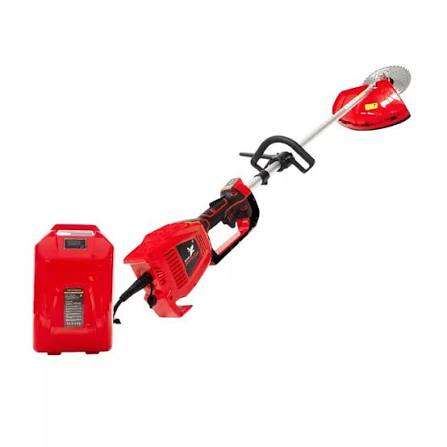
4. Battery-Powered Grass Cutter
Battery-powered grass cutters operate using rechargeable batteries and provide cordless convenience.
They are suitable for homeowners who want a lightweight and easy-to-handle gardening machine.
Main benefits:
- Cordless operation.
- Convenient movement around gardens.
- Lower operating noise.
- No direct exhaust emissions.
Battery runtime and charging time should be considered before purchasing.
5. Brush Cutter
A brush cutter is a powerful grass-cutting machine designed for thick grass, weeds, bushes and challenging vegetation.
It generally includes a cutting blade or nylon trimming head and may be powered by petrol or electricity.
Brush cutters are particularly useful for uneven ground, roadside maintenance, farms and large gardens.
Main benefits:
- Suitable for dense vegetation.
- Useful for difficult-to-reach areas.
- Different cutting attachments available.
- Suitable for professional landscaping.
What Are the Main Benefits of Using a Grass Cutter?
A grass cutter offers several advantages for homeowners, gardeners and professional landscaping businesses.
1. Saves Time and Effort
Cutting grass manually can take considerable time, especially when maintaining large outdoor areas. A grass cutter helps complete the job more efficiently.
2. Improves Lawn Appearance
Regular trimming helps maintain a neat and attractive lawn. It also makes outdoor spaces look cleaner and more organized.
3. Supports Garden Maintenance
Removing overgrown grass and unwanted vegetation helps maintain garden areas and makes other landscaping activities easier.
4. Suitable for Different Areas
Different grass cutter models can be used in home gardens, parks, commercial landscapes, farms and roadside areas.
5. Reduces Manual Labour
Powered grass cutters reduce the physical effort required for routine lawn maintenance.
6. Improves Landscaping Productivity
Professional gardeners and landscaping companies can complete more maintenance work in less time with suitable equipment.
Where Can You Use a Grass Cutter?
Grass cutters are versatile gardening machines used in different environments.
Residential Gardens: Homeowners use grass cutters to maintain lawns, garden borders and outdoor spaces.
Commercial Landscapes: Offices, shopping centres and commercial buildings use grass-cutting equipment to maintain attractive outdoor areas.
Public Parks: Maintenance teams use powered grass cutters to manage grass growth in parks and recreational spaces.
Agricultural Land: Farmers use suitable grass cutters and brush cutters to manage vegetation around fields and property boundaries.
Roadside Areas: Landscaping teams use brush cutters to remove unwanted vegetation along roads and pathways.
Sports Grounds: Suitable lawn mowers are used to maintain grass surfaces in sports facilities and recreational grounds.
How Do You Choose the Best Grass Cutter?
Selecting the right grass cutter depends on your gardening requirements, available budget and the size of the area.
Consider these important factors before purchasing:
1. Garden Size
For small gardens, manual or electric grass cutters may be sufficient. Larger areas may require petrol-powered machines or commercial lawn mowers.
2. Grass Type
Consider whether you need to cut ordinary lawn grass, thick grass, weeds or dense vegetation. Different machines are designed for different cutting conditions.
3. Motor Power
Check the motor or engine specifications to ensure that the machine can handle your intended application.
4. Cutting Width
A wider cutting width can cover more ground in fewer passes. However, smaller cutting heads may be more suitable for narrow spaces.
5. Weight and Comfort
Choose a machine that is comfortable to operate. Adjustable handles, shoulder straps and ergonomic designs can improve handling.
6. Fuel or Battery Requirements
Consider whether you prefer an electric, battery-powered or petrol model. Each option has different operating and maintenance requirements.
7. Spare Parts and Warranty
Purchase from a reliable supplier that provides replacement parts, technical assistance and suitable warranty coverage.
How to Maintain a Grass Cutter Properly?
Regular maintenance helps keep your grass cutter in good working condition and supports consistent cutting performance.
Follow these useful maintenance tips:
- Clean grass and dirt from the machine after use.
- Inspect cutting blades or trimming heads regularly.
- Replace damaged or worn cutting components.
- Check cables, batteries or fuel systems according to the machine type.
- Follow the manufacturer’s servicing instructions.
- Store the machine in a dry and secure location.
- Disconnect the power source before cleaning or maintenance.
- Use suitable protective equipment during operation.
For petrol machines, follow the manufacturer’s instructions for engine oil, fuel and air-filter maintenance.
Where Can You Buy a Quality Grass Cutter?
Grass cutters are available from gardening equipment stores, agricultural machinery dealers and online retailers.
Before purchasing, compare different models based on their specifications, cutting capacity, power source and price.
Check the following details:
- Machine quality and construction.
- Motor or engine performance.
- Cutting blade or trimming head.
- Available accessories.
- Warranty and after-sales service.
- Spare parts availability.
- Customer reviews and supplier reputation.
If possible, ask the supplier for a product demonstration to understand how the machine operates.
A grass cutter is an essential tool for maintaining clean, attractive and well-managed outdoor spaces. Whether you need equipment for a small home garden, a large lawn, a farm or a commercial landscaping project, choosing the right machine can make grass maintenance faster and easier.
Manual, electric, battery-powered and petrol grass cutters all offer different advantages. Before purchasing, consider your garden size, grass type, power requirements, machine weight and maintenance needs.
Frequently Asked Questions (FAQs)
1. What is a grass cutter used for?
A grass cutter is used to trim grass, remove unwanted vegetation and maintain lawns, gardens, parks and outdoor spaces.
2. Which grass cutter is best for home use?
Electric and battery-powered grass cutters are suitable for many small and medium-sized home gardens.
3. What is the difference between a grass cutter and a brush cutter?
A grass cutter is generally used for regular lawn maintenance, while a brush cutter is designed for thicker grass, weeds and dense vegetation.
4. How often should a grass cutter be maintained?
Clean the machine after use and inspect its cutting components regularly. Follow the manufacturer’s recommended servicing schedule.
5. Can a grass cutter remove thick weeds?
Yes. A suitable petrol-powered brush cutter with an appropriate cutting attachment can handle many types of thick weeds and dense vegetation.