
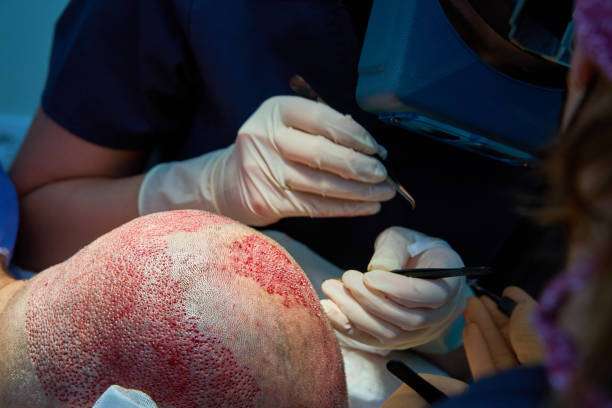

A Crown Hair Transplant in Dubai is a surgical hair-restoration procedure that relocates viable follicles from a donor area into the vertex, where hair has become thin or disappeared. The aim is to improve coverage by positioning grafts according to the crown’s natural whorl and the characteristics of the patient’s existing hair.
The crown can be difficult to restore because its circular growth pattern and broad surface area influence how much coverage grafts can provide. A realistic plan must consider the cause of hair loss, the donor supply, and whether thinning may continue elsewhere on the scalp.
What Causes Hair Loss at the Crown?
One common cause is androgenetic alopecia, often called pattern hair loss. In susceptible individuals, follicles gradually miniaturize and produce finer hairs, reducing coverage over time.
Other causes of shedding or thinning may include medical conditions, nutritional problems, medications, stress-related shedding, or scalp disorders. The diagnosis matters because transplantation is not an appropriate first step for every form of hair loss.
Why the Vertex Is Different
The crown’s hair follicles are arranged in a changing circular pattern around the whorl. A surgeon needs to account for this direction when creating recipient sites, rather than placing grafts in a uniform pattern.
The crown also covers a relatively wide area, which can make graft allocation challenging. The treatment plan should balance the desired density with the donor hair available and the possibility of future loss.
How the Procedure Works
A transplant generally involves three main stages: harvesting follicles from the donor region, preparing the grafts, and implanting them into the recipient area. Depending on the selected technique, follicular units may be extracted individually or prepared from a strip of donor tissue.
The surgeon plans the crown’s recipient sites to follow the natural whorl and blend with the surrounding hair. The exact method, graft count, and procedure duration depend on the individual’s needs.
Crown Transplantation Compared With Non-Surgical Options
| Option | What it does | Main limitation |
|---|---|---|
| Hair transplantation | Moves follicles into areas requiring coverage | Requires suitable donor hair |
| Medical hair-loss treatment | Helps manage selected causes of progressive hair loss | Does not physically replace missing follicles |
| PRP therapy | Uses platelet concentrate derived from the patient’s blood | Results vary and it is not a substitute for transplantation |
| Regenerative hair therapy | May aim to support existing follicles, depending on the protocol | Methods and evidence vary |
| Scalp micropigmentation | Creates the appearance of fuller coverage | Does not produce new hair growth |
These approaches may have different roles in a broader hair-restoration plan. The choice should be based on diagnosis, treatment goals, and realistic expectations.
What Influences the Final Result?
Several factors contribute to the appearance of a crown transplant. Donor-hair density, hair calibre, colour contrast, recipient-area size, graft handling, placement angles, and individual healing can all affect the outcome.
The patient’s pattern of ongoing hair loss also matters. Transplanted follicles may continue growing, but native hair around them can still thin over time.
For more information on the treatment, visit the Crown Hair Transplant in Dubai service page.
When Will New Hair Become Visible?
The transplanted hairs commonly shed during the early post-operative period. New growth then develops gradually, and the appearance of the crown changes over several months.
The final cosmetic outcome often takes around 12 months or longer to mature. The precise timeline varies, so patients should follow their clinic’s guidance and attend recommended follow-up appointments.
Common Patient Questions
“Will the transplanted hair look natural?”
Naturalness depends on the surgeon’s design, the crown whorl, graft placement, hair characteristics, and the patient’s existing pattern. No technique can guarantee a specific cosmetic result.
“Will one procedure be enough?”
That depends on the size of the thinning area, the available donor supply, and the desired level of coverage. Some patients may need a staged plan or ongoing management of native hair loss.
“Can I return to my normal routine immediately?”
Not necessarily. The scalp needs time to heal, and restrictions on strenuous exercise, sun exposure, and other activities depend on the surgeon’s instructions.
Your Crown Hair Transplant Treatment Roadmap
- Consultation: Discuss the pattern of hair loss, expectations, and medical history.
- Scalp examination: Evaluate the crown, surrounding hair, and donor region.
- Personalized planning: Establish the likely graft requirements and placement design.
- Procedure: Harvest and implant follicles using the selected surgical method.
- Initial healing: Follow instructions for scalp care and activity.
- Growth phase: Monitor gradual regrowth as transplanted follicles progress through their cycle.
- Long-term review: Evaluate coverage and discuss management of ongoing hair loss if needed.
Making an Informed Decision About Crown Restoration
Crown transplantation can improve coverage for appropriately selected patients, but results depend on careful assessment and realistic planning. The most suitable approach considers the patient’s anatomy, donor supply, hair-loss progression, and expectations rather than relying on a standard graft count or a promise of complete density.
At Tajmeels Clinic, a consultation can help patients explore crown-restoration options and understand which treatment strategy best fits their individual needs.