

Women’s healthcare is evolving as more attention is given to individual needs, changing health priorities, and long-term well-being. In 2026, personalized healthcare is becoming an important part of this conversation. Instead of relying on a one-size-fits-all approach, healthcare providers are increasingly considering factors such as age, medical history, lifestyle, family history, and personal health goals when discussing care.
Women experience different health needs throughout life, from reproductive health and hormonal changes to menopause, bone health, and healthy aging. A more personalized approach can help women understand these changes and make informed decisions with appropriate professional guidance.
Moving Beyond One-Size-Fits-All Healthcare
Every woman’s health journey is different. Two people of the same age may have different symptoms, medical histories, risk factors, and healthcare priorities. Personalized care recognizes these differences and encourages more meaningful conversations between patients and healthcare professionals.
For example, one woman may need guidance about menstrual changes, while another may want to discuss menopause symptoms or preventive screenings. Individual circumstances can influence which tests, treatments, and lifestyle recommendations are appropriate.
This approach also encourages women to ask questions and participate in decisions about their care. Rather than following general wellness trends, they can work with qualified professionals to understand their own needs and available options.
The Growing Importance of Hormonal Health
Hormonal health is an important part of women’s well-being. Hormones influence reproductive health, sleep, mood, metabolism, and several other bodily functions. Changes can occur during puberty, pregnancy, postpartum recovery, perimenopause, and menopause.
In 2026, greater awareness of these life stages is encouraging more open conversations about symptoms that may previously have been overlooked. Persistent fatigue, disrupted sleep, or significant changes in menstrual patterns can have several possible causes, so professional assessment is important.
Personalized healthcare can help women discuss their symptoms, review relevant medical information, and understand appropriate next steps. Hormone-related treatments may be suitable for some people, but they are not necessary or appropriate for everyone. Decisions should consider potential benefits, risks, and individual medical circumstances.
How Technology Is Supporting Personalized Care
Digital technology is creating additional ways for women to access healthcare information and communicate with providers. Telehealth appointments can make it easier to discuss concerns, arrange follow-up consultations, and receive guidance without always traveling to a clinic.
Wearable devices and health applications may also help users notice patterns in sleep, activity, or menstrual cycles. These observations can provide useful conversation points during medical appointments, although consumer devices cannot independently diagnose health conditions.
Artificial intelligence and digital health tools may support certain administrative tasks and help organize information. However, privacy, accuracy, and professional oversight remain essential. Technology should support the relationship between patients and healthcare professionals rather than replace informed medical judgment.
Preventive Care and Long-Term Wellness
The future of personalized women’s healthcare also involves greater attention to prevention. Regular checkups and recommended screenings can help women understand relevant health risks and identify concerns that need further assessment.
Depending on age and personal circumstances, preventive care may include cervical or breast screening, blood pressure monitoring, cholesterol assessments, and discussions about bone health. Family history and existing medical conditions can influence individual recommendations.
Lifestyle habits also play a role in long-term well-being. Balanced nutrition, regular physical activity, sufficient sleep, and practical stress-management strategies can support general health. Personalized advice can help women find routines that fit their daily responsibilities and changing needs.
Making Online Healthcare More Accessible
Online healthcare platforms are another part of the changing healthcare landscape. Depending on the provider, these services may offer virtual consultations, educational resources, or access to certain treatments for eligible patients.
Before choosing a service, women should review provider qualifications, privacy policies, consultation procedures, pricing, and treatment requirements. It is also important to understand when an in-person examination or additional testing may be necessary.
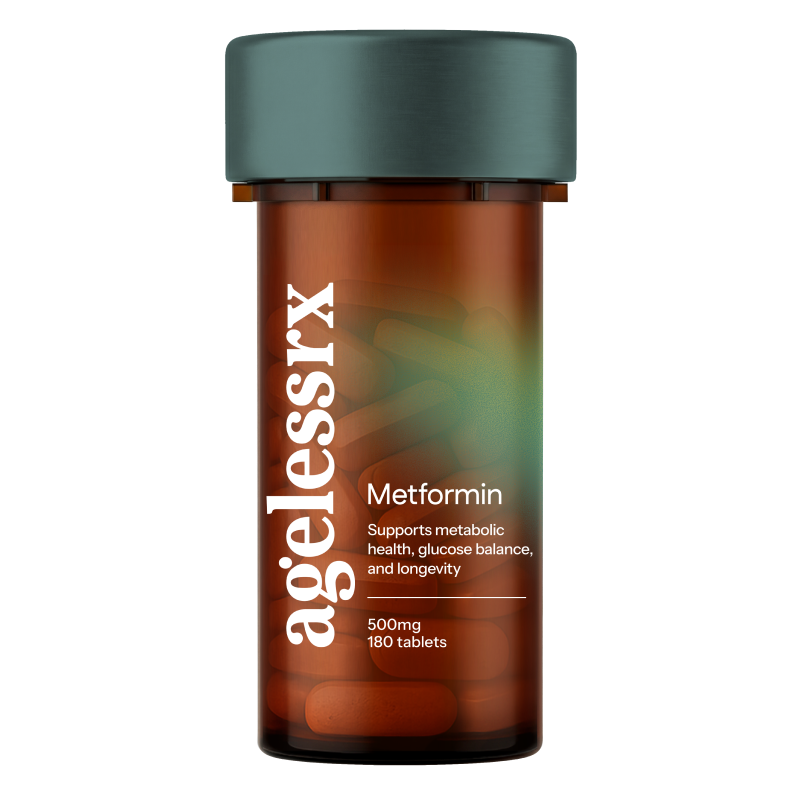
Women researching digital healthcare options may search for an agelessrx Coupon Code to check whether discounts are available on eligible offerings. Comparing prices can be useful, but the quality of care, medical suitability, and appropriate professional oversight should remain the main priorities.
An agelessrx Coupon Code may help identify a potential saving, but a promotional offer should never determine whether a medical treatment is necessary. Healthcare decisions are best made using reliable information and qualified guidance.
What the Future May Look Like
As personalized healthcare develops, women may benefit from more coordinated services, improved access to health information, and care plans that better reflect their individual circumstances. Continued improvements in digital communication may also make follow-up support more convenient.
However, progress depends on more than technology. Affordable services, privacy protections, clear medical information, and respectful communication are equally important. Every woman should have opportunities to discuss her concerns and receive appropriate care without feeling that her needs are being overlooked.
Conclusion
The future of personalized women’s healthcare in 2026 is centered on individual needs, preventive care, technology, and informed decision-making. By combining professional medical guidance with useful digital tools and sustainable lifestyle habits, healthcare can become more responsive to the different stages of women’s lives.
Personalized care is not about finding one perfect solution. It is about understanding individual circumstances, exploring appropriate options, and making health decisions with confidence. As awareness continues to grow, a more thoughtful approach can help women prioritize their well-being throughout life.