
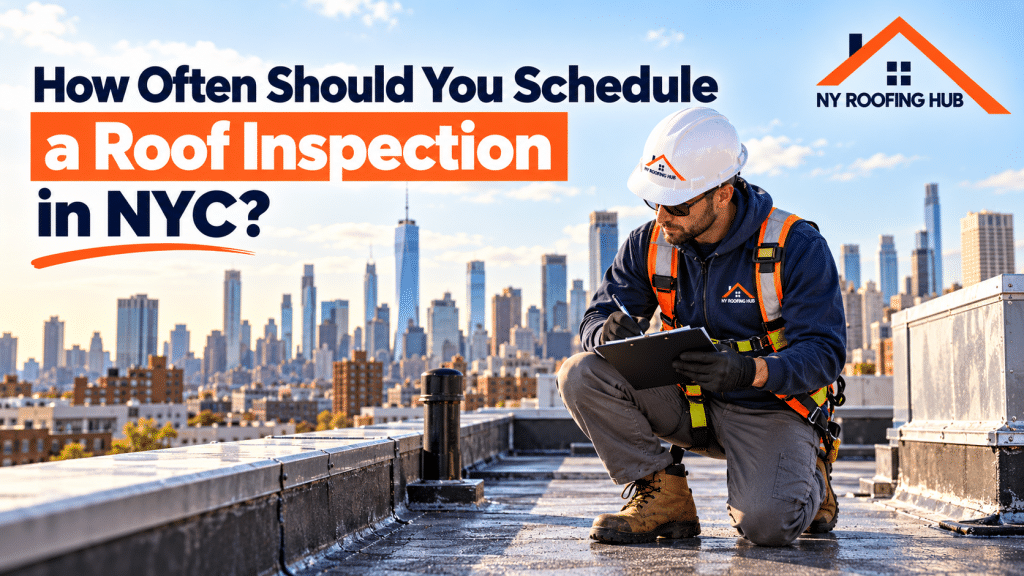

A roof inspection is one of the simplest ways to catch roofing problems before they turn into leaks, water damage, or expensive repairs. In New York City, where roofs are exposed to heavy rain, snow, wind, heat, freezing temperatures, and constant seasonal changes, regular inspections are especially important.
For most NYC property owners, a professional roof inspection should be scheduled at least once a year. Older roofs, flat roofs, commercial buildings, and properties with a history of leaks may need inspections more often. It is also smart to have the roof checked after major storms or whenever signs of damage appear.
A reliable roofing company in NYC can help determine the right inspection schedule based on the age, condition, and type of roofing system.The right inspection schedule depends on the roof’s age, material, condition, building type, and exposure to weather.
How Often Should a Roof Be Inspected in NYC?
For many residential and commercial properties, an annual roof inspection is a good starting point. A yearly inspection gives a roofing professional the opportunity to check for developing problems such as damaged flashing, open seams, missing shingles, drainage issues, membrane deterioration, and signs of moisture.
Some roofs should be inspected more frequently.
You may need inspections every six months if the property has:
- An older roofing system
- A flat or low-slope roof
- A history of leaks
- Large rooftop equipment
- Frequent drainage problems
- Recent repair work
- Heavy exposure to wind or weather
The goal is to identify damage early rather than waiting until water enters the building.
Should You Inspect Your Roof After a Storm?
Yes. A roof inspection after severe weather can be very useful, even if there is no obvious leak.
Strong winds can loosen shingles, flashing, membrane edges, or other roofing components. Heavy rain can expose drainage problems and weak areas around roof penetrations. Snow and ice can also place additional stress on roofing systems.
After a major storm, property owners should look for visible warning signs from a safe location.
These may include:
- Missing or lifted shingles
- Loose roofing materials
- Standing water
- Damaged gutters
- Debris on the roof
- Interior ceiling stains
- New moisture around walls or windows
If anything looks unusual, a professional inspection can help determine whether repairs are needed.
How Often Should Flat Roofs Be Inspected in NYC?
Flat roofs deserve closer attention because they do not shed water as quickly as steep-slope roofs.
They are common on brownstones, apartment buildings, commercial properties, and multifamily buildings across New York City.
Flat roofs should generally be inspected at least once a year, but twice-yearly inspections may be beneficial for older systems or buildings with recurring drainage issues.
Important inspection points include:
- Roof drains
- Scuppers
- Membrane seams
- Flashing
- Parapet walls
- Roof penetrations
- Ponding water areas
- Signs of cracking or blistering
Because water can remain on a flat roof longer, small defects can become more serious if they are ignored.
When Should Older Roofs Be Inspected More Frequently?
Roof age is another important factor.As roofing materials get older, they become more vulnerable to cracking, separation, moisture damage, and general wear. Older roofs often benefit from more frequent inspections because small problems can develop faster.
If a roof is approaching the later part of its expected service life, property owners may want to schedule inspections every six months instead of once a year.
A trusted local roofer in NYC can also help monitor changes over time and identify whether the roof is still suitable for repair or beginning to require replacement planning.
What Should a Professional Roof Inspection Include?
A good roof inspection should look at more than the visible surface.
The roofing contractor should evaluate the areas most likely to develop leaks or drainage problems.
A typical inspection may include checking:
- Roofing materials
- Flashing
- Seams and joints
- Gutters and drains
- Skylights
- Chimneys
- Vents
- Roof edges
- Parapet walls
- Rooftop equipment penetrations
The contractor should also look for signs of water intrusion, previous repair failures, loose materials, and areas where moisture may collect.
This helps create a more complete picture of the roof’s condition.
Recommended Roof Inspection Schedule for NYC Properties
The ideal roof inspection in NYC schedule varies by property. While many NYC roofs should be professionally inspected at least once a year, flat roofs, older roofing systems, commercial buildings, and roofs with previous leaks may benefit from more frequent checks. The table below provides a practical starting point.
Property or Roof Condition | Suggested Inspection Frequency | Why It Matters |
Newer residential roof | At least once a year | Helps identify minor wear before it develops into a larger problem |
Older residential roof | Every 6 to 12 months | Aging materials may develop leaks, flashing damage, or deterioration faster |
Flat or low-slope roof | About every 6 months | Drainage, seams, membranes, and ponding water require closer monitoring |
Commercial roof | About every 6 months | Larger roof areas, drains, and rooftop equipment can create additional problem points |
Roof with previous leaks | Every 6 months or as recommended | Helps monitor repaired areas and detect recurring moisture problems |
After a major storm | As soon as practical after the event | Wind, rain, debris, snow, or ice may cause damage that is not visible from the ground |
After major roof repairs | Based on the contractor’s recommendation | Confirms repaired areas remain secure and helps identify developing problems |
Then continue with your existing section:
Should You Inspect Your Roof After a Storm?
This improves the article because someone searching “How often should you schedule a roof inspection in NYC?” can get the main answer immediately, while the rest of the article explains why different properties need different inspection schedules.
When Should You Schedule an Inspection for a Commercial Roof?
Commercial roofs often require regular inspections because they may have larger surfaces, more rooftop equipment, and more complex drainage systems.For many commercial properties in NYC, inspections every six months can be a practical schedule, especially for flat roofing systems.
Regular inspections can help property owners plan maintenance before small issues affect tenants, inventory, equipment, or interior spaces.They can also help building managers document the condition of the roof over time.
What Signs Mean You Should Not Wait for a Scheduled Inspection?
Even if your next inspection is months away, some warning signs should be checked sooner.
Schedule a professional roof inspection if you notice:
- Water stains on ceilings
- Active roof leaks
- Missing shingles
- Damaged flashing
- Ponding water
- Loose membrane sections
- Sagging areas
- Mold or moisture problems
- Damaged gutters
- Roofing materials on the ground
These symptoms may indicate that water is already entering the roofing system.
Waiting too long can increase repair costs.
What Is the Best Time of Year for a Roof Inspection in NYC?
Spring and fall are often useful times for roof inspections.A spring inspection can help identify damage caused by winter weather, snow, ice, and freezing temperatures.
A fall inspection can prepare the roof for colder weather and help address drainage, flashing, or material problems before winter arrives.
However, the best time to inspect a roof is whenever there is a reason to suspect damage. Roof problems do not follow a calendar.
Regular Roof Inspections Can Help Reduce Repair Costs
Routine roof inspections can help property owners find small problems before they turn into major repairs.Catching a damaged seam, blocked drain, loose flashing, or missing shingle early is usually easier than repairing widespread water damage later.
For NYC property owners, regular inspections can also improve maintenance planning, extend the useful life of the roof, and reduce the risk of unexpected emergency repairs.
Need a professional roof inspection? Contact us today and schedule your roof evaluation.