
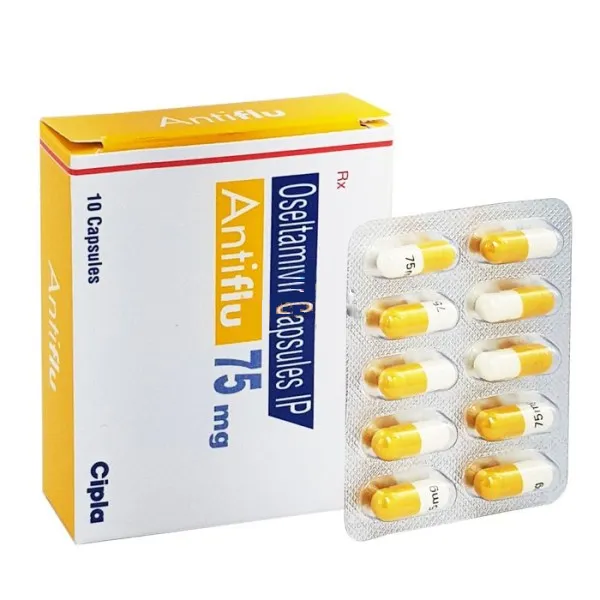

What Is Antiflu 75 mg Capsule?
Antiflu 75 mg Capsule contains oseltamivir, an antiviral medicine used to treat and help prevent influenza (flu) caused by influenza A and B viruses.
Oseltamivir belongs to a group of medicines called neuraminidase inhibitors. It works by interfering with the release of new virus particles from infected cells, which can help limit the spread of influenza in the body.
Antiflu is not an antibiotic and isn’t intended to treat bacterial infections such as strep throat or bacterial pneumonia.
Antiflu 75 mg Uses
Antiflu 75 mg may be prescribed for:
- Treatment of influenza (flu)
- Prevention of influenza after exposure
- Influenza A infections
- Influenza B infections
Antiviral treatment is generally most effective when started as soon as possible after flu symptoms begin, particularly within the first 48 hours. However, healthcare professionals may still recommend antiviral treatment later for people who are seriously ill, hospitalized, or at higher risk of complications.
How Does Oseltamivir Work?
Oseltamivir is converted in the body to its active form, oseltamivir carboxylate.
The active drug blocks the influenza virus’s neuraminidase enzyme. This enzyme helps newly formed virus particles leave infected cells.
By interfering with this process, oseltamivir can reduce the ability of influenza viruses to spread within the respiratory tract.
Antiflu 75 mg Dosage
The correct Antiflu 75 mg dosage depends on whether the medicine is being used for treatment or prevention, as well as the patient’s age, weight, kidney function, and other factors.
For adults and adolescents aged 13 years and older, the standard treatment regimen for uncomplicated influenza is commonly:
75 mg twice daily for 5 days.
For post-exposure prevention, the usual adult regimen is:
75 mg once daily for at least 10 days, depending on the exposure and clinical circumstances.
These are general prescribing guidelines, not a personal dosing recommendation. Children and people with reduced kidney function may require different doses.
How to Take Antiflu 75 mg
Take oseltamivir exactly as prescribed.
The capsule can generally be taken with or without food. Taking it with food may reduce stomach upset for some people.
Try to take each dose at approximately the same time every day.
If you forget a dose, take it when you remember unless it’s close to your next scheduled dose. Don’t take two doses together to compensate for a missed dose unless specifically instructed by a healthcare professional.
Antiflu 75 mg for Flu
Antiflu is specifically designed to treat influenza, not every respiratory infection.
Flu commonly causes symptoms such as:
- Fever
- Chills
- Cough
- Sore throat
- Muscle aches
- Headache
- Fatigue
- Runny or blocked nose
Oseltamivir may shorten the duration of influenza symptoms when started promptly, although the amount of benefit varies between individuals.
Antiflu 75 mg for Flu Prevention
Oseltamivir can also be prescribed for influenza prevention after someone has been exposed to the virus.
Preventive treatment may be considered for certain people at higher risk of complications or during particular exposure situations.
It does not replace annual influenza vaccination, which remains an important way to reduce the risk of flu and its complications.
Antiflu 75 mg Side Effects
Like all medicines, oseltamivir can cause side effects.
The most commonly reported side effects include:
- Nausea
- Vomiting
- Headache
- Stomach discomfort
Taking the medicine with food may help reduce nausea in some people.
Most side effects are mild, but you should contact a healthcare professional if symptoms are severe or don’t improve.
Serious Side Effects and Warnings
Rare but serious reactions can occur.
Seek urgent medical attention if you develop:
- Severe allergic reactions
- Swelling of the face, lips, or throat
- Difficulty breathing
- Severe skin reactions
- Unusual confusion or abnormal behavior
- Seizures
Unusual neuropsychiatric events have been reported, particularly in children and adolescents. If significant behavioral or neurological changes occur while taking oseltamivir, seek medical advice promptly.
Antiflu 75 mg and Kidney Problems
Kidney function is important when taking oseltamivir because the medicine is primarily eliminated through the kidneys.
People with reduced kidney function may need a lower dose or a different dosing schedule.
If you have kidney disease or are receiving dialysis, tell your doctor before taking Antiflu.
Can Children Take Antiflu?
Oseltamivir can be prescribed to children in appropriate circumstances, but the dose is generally determined by age and body weight.
A 75 mg capsule shouldn’t automatically be given to a child simply because it is the available strength.
For younger children, an oral suspension or an appropriately adjusted dose may be more suitable.
Antiflu During Pregnancy
If you are pregnant and develop suspected or confirmed influenza, speak with a healthcare professional promptly.
Pregnancy increases the risk of serious complications from influenza, and antiviral treatment may be recommended when clinically appropriate.
Don’t delay seeking medical advice simply because you are pregnant.
Antiflu 75 mg vs Antibiotics
Antiflu and antibiotics work against different types of infections.
Antiflu (oseltamivir):
- Antiviral medicine
- Targets influenza viruses
- Used for influenza treatment or prevention
Antibiotics:
- Target susceptible bacteria
- Don’t treat influenza viruses
- May be prescribed if a bacterial infection develops alongside or after influenza
Taking an antibiotic for ordinary influenza won’t make the virus disappear.
Antiflu vs Flu Vaccination
These are also different.
Flu vaccination is designed to help prevent influenza and reduce the risk of severe illness.
Oseltamivir is an antiviral medicine used for treatment or prevention in certain circumstances.
Antiviral treatment does not replace routine vaccination.
How Quickly Does Antiflu Work?
Oseltamivir doesn’t instantly eliminate flu symptoms.
Its main benefit is limiting influenza virus replication. When treatment is started early, it may shorten illness and reduce the severity or duration of symptoms.
Starting treatment within approximately 48 hours of symptom onset generally provides the greatest benefit, although treatment can still be recommended later for some people with severe disease or a high risk of complications.
Frequently Asked Questions
What is Antiflu 75 mg used for?
Antiflu 75 mg contains oseltamivir and is used to treat or prevent influenza A and B in appropriate patients.
Is Antiflu 75 mg an antibiotic?
No. Antiflu contains oseltamivir, an antiviral medicine.
Can I take Antiflu for a common cold?
Oseltamivir is designed to work against influenza viruses. It isn’t a general treatment for the common cold.
How long should I take Antiflu 75 mg?
For uncomplicated influenza in adults and adolescents, the commonly recommended treatment course is 75 mg twice daily for 5 days. Your healthcare professional may recommend a different regimen based on your circumstances.
Can I take Antiflu with food?
Yes. Oseltamivir can generally be taken with or without food. Taking it with food may help reduce nausea.
Can I take Antiflu without a prescription?
Availability depends on the country and product. Because the appropriate dose depends on the indication and patient factors, it should be used under appropriate medical guidance.
Does Antiflu cure influenza?
Oseltamivir doesn’t instantly “cure” influenza, but it can reduce viral replication and may shorten the duration or severity of illness when used appropriately.
Final Thoughts
Antiflu 75 mg Capsule (oseltamivir) is an antiviral medicine used for the treatment and prevention of influenza. It works differently from antibiotics and is most useful when started promptly after influenza symptoms begin.
The appropriate dose depends on factors such as the reason for treatment, age, weight, and kidney function. Anyone with severe flu symptoms, difficulty breathing, confusion, persistent chest pain, or other signs of serious illness should seek medical attention rather than relying solely on an antiviral capsule.