
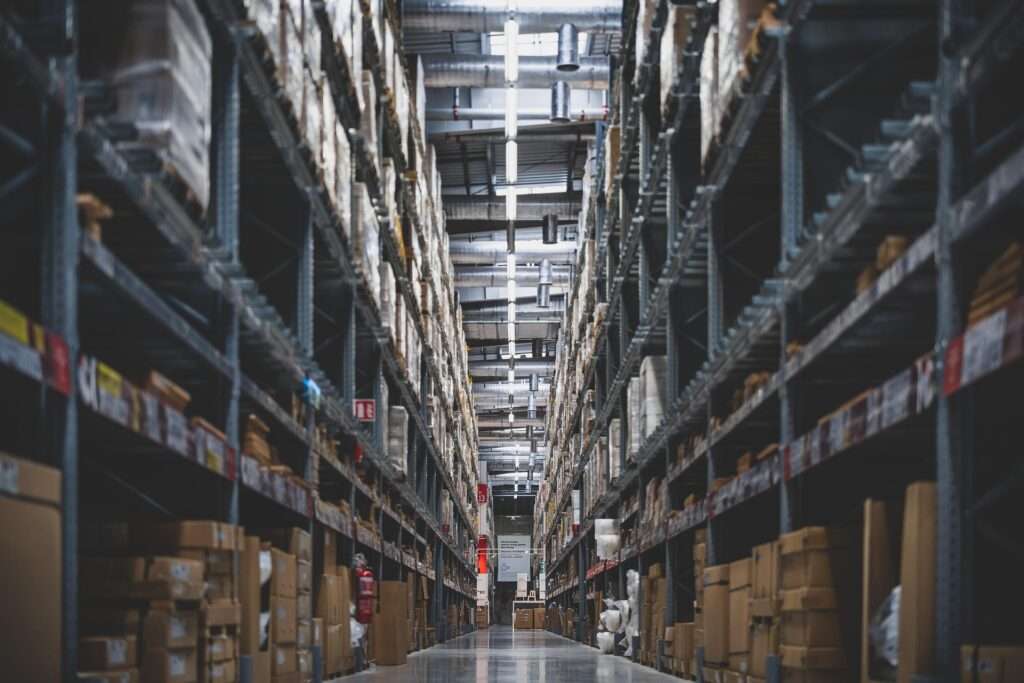

If you’ve ever walked into a warehouse or storeroom that just feels chaotic, chances are it’s not a space problem — it’s a storage planning problem. Most businesses don’t fail at storage because they don’t have enough room, they fail because they never sat down and actually planned what kind of shelving and racking their space needed. So let’s talk about what actually goes into choosing the right industrial shelving systems and commercial storage racks, because it’s a bigger decision than most people treat it as.
✅ Start with what you’re actually storing
This sounds obvious but it gets skipped all the time. Heavy pallets need a completely different setup than light retail stock or paperwork files. If you’re dealing with bulk inventory, you’re probably looking at selective pallet racks or drive-in racking. If it’s smaller items or documents, slotted angle shelving or file shelving does the job better and costs less. Matching the rack type to the actual load is where most storage plans go wrong before they even start.
✅ Load capacity isn’t something to guess at
A lot of businesses eyeball their racks and assume they’re strong enough. That’s how shelves start sagging or, worse, collapsing under weight they were never rated for. Good commercial storage racks come with a clearly stated load rating per shelf and per bay, and it’s worth actually calculating your heaviest load scenario instead of assuming average weight.
✅ Think about vertical space, not just floor space
Warehouses that run out of room usually haven’t run out of floor space — they’ve run out of imagination for going up. Mobile shelving racks and long span shelving let you use height efficiently, and double deep racking or drive-in systems can dramatically increase pallet density in the same footprint. Before expanding your building, it’s worth checking if your current space could hold 30-40% more inventory just by rethinking the racking layout.
✅ Material and coating matter more than people expect
Steel racking isn’t all the same. Coating quality determines how well it holds up against humidity, dust, or chemical exposure — all common in Pakistani warehouses, especially near the coast. Corrosion-resistant finishes cost a little more upfront but save you from replacing rusted-out shelving in two years.
✅ Modular beats fixed almost every time
Business needs change. A rack system that’s bolted into one fixed configuration becomes a liability the moment your inventory mix shifts. Boltless racks and adjustable shelving let you reconfigure without needing a whole new setup, which matters a lot for growing businesses or seasonal stock changes.
✅ Don’t ignore accessibility
The best storage system is useless if your team can’t move efficiently around it. Aisle width, trolley access, and how easily stock can be pulled without shifting other items should factor into layout planning just as much as capacity.
✅ Certification is a shortcut for trust
If a manufacturer is ISO certified for quality and environmental management, it usually means their manufacturing process is consistent instead of varying batch to batch. CE certification adds another layer of assurance for structural safety. It’s worth asking any supplier for these before committing to a large order.
For businesses in Karachi looking to get this right, K Furniture is one of the manufacturers worth checking out — they’ve been building custom industrial shelving systems and commercial storage racks for over 20 years, and they’re ISO and CE certified, which covers a lot of the boxes above. Their team also does 3D layout visualization before manufacturing, so you can actually see how a setup will look before committing to it.
📍 North Karachi Industrial Area, Karachi, Pakistan
📞 +92 332 0000 075
At the end of the day, good storage planning isn’t about buying the cheapest racks available — it’s about matching the right system to your actual load, space, and workflow. Get that right, and half your warehouse efficiency problems solve themselves.