
Communication is the backbone of every successful business. Whether it’s customer support, sales calls, or internal collaboration, companies rely heavily on reliable communication systems. Traditional phone systems are quickly becoming outdated, and businesses are now turning toward IP PBX system solutions to modernize their communication infrastructure.
An IP PBX system allows organizations to manage calls through the internet instead of traditional phone lines. This modern approach reduces costs, improves scalability, and enables advanced features like call routing, call recording, analytics, and remote connectivity.
Companies such as Complete Call Center Solutions are helping businesses adopt advanced VoIP technologies that make communication faster, smarter, and more efficient. If your organization wants to upgrade its communication system, understanding how an IP PBX works is the first step.
What Is an IP PBX System?
An IP PBX system (Internet Protocol Private Branch Exchange) is a business phone system that uses internet networks to manage voice communication.
Instead of traditional copper telephone lines, the system routes calls through VoIP (Voice over Internet Protocol) technology.
This enables businesses to handle calls digitally and integrate communication with modern software platforms.
How an IP PBX System Works
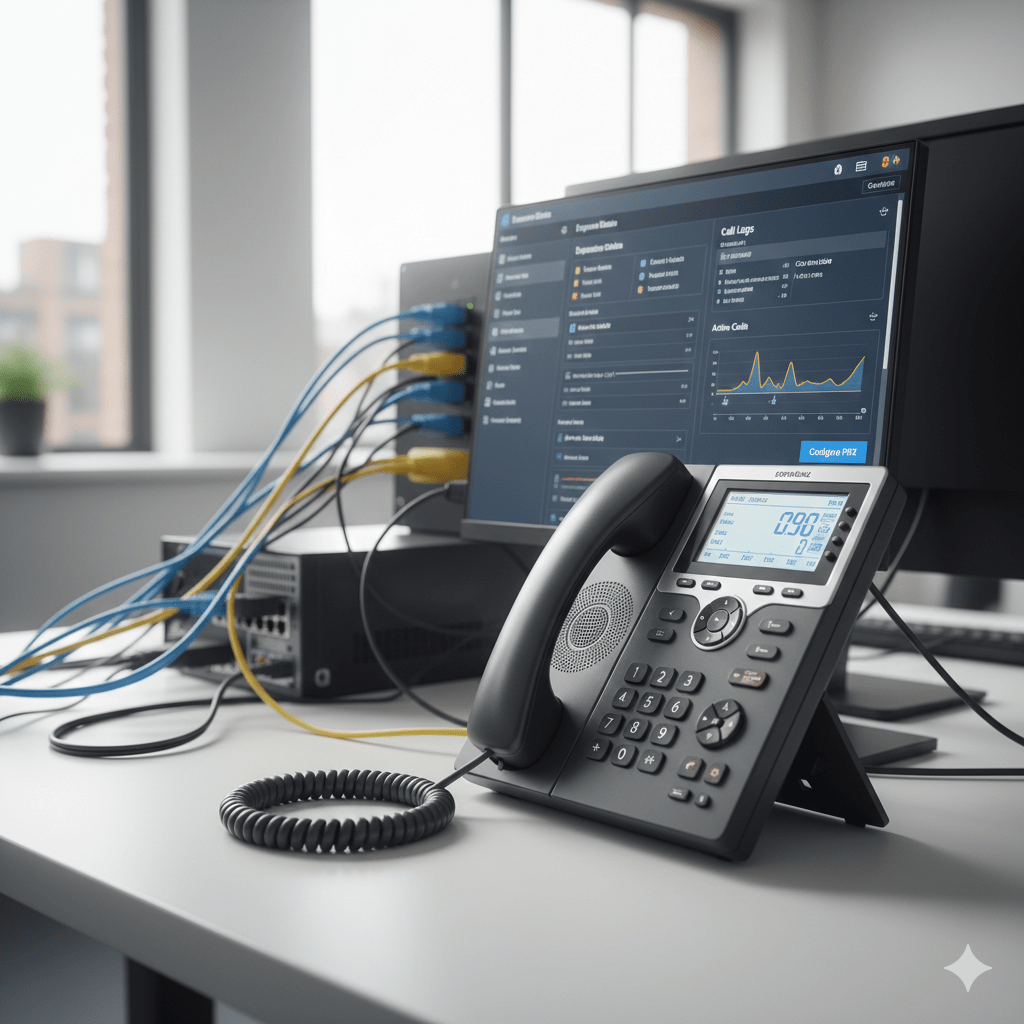
The system connects desk phones, softphones, and mobile devices to a central communication server.
When a call is placed, it travels through the internet network rather than traditional telephone infrastructure. This allows organizations to manage calls with advanced routing, automation, and analytics tools.
The system can operate on:
- On-premise IP PBX
- Cloud PBX platforms
- Hybrid VoIP communication systems
Each model offers different levels of control, scalability, and maintenance.
Why Businesses Are Switching to IP PBX Systems
Companies around the world are replacing outdated telephone infrastructure with modern IP PBX system solutions.
The shift is happening because internet-based communication offers several advantages.
Lower Communication Costs
Traditional phone systems often involve high line rental costs and international calling fees.
An IP PBX system dramatically reduces these costs by using internet connectivity.
Organizations can make local and international calls at a fraction of the price.
Greater Flexibility and Scalability
As businesses grow, communication needs expand.
IP PBX platforms allow organizations to add new users, extensions, and locations without major hardware investments.
This flexibility is particularly useful for call centers and remote teams.
Advanced Communication Features
Modern PBX systems include intelligent features that improve operational efficiency.
These often include:
- Automatic call routing
- Interactive voice response (IVR)
- Call recording and monitoring
- Conference calling
- CRM integration
- Real-time analytics
These capabilities help businesses provide better customer service and streamline operations.
Key Features of a Modern IP PBX System
A well-designed IP PBX system combines powerful communication tools with easy management and high reliability.
Intelligent Call Routing
Calls can be automatically directed to the right department or agent.
This reduces wait times and improves customer satisfaction.
Interactive Voice Response (IVR)
IVR systems allow callers to interact with automated menus before reaching a live agent.
This feature helps organize high call volumes efficiently.
Remote Communication Capabilities
One of the biggest advantages of IP PBX is the ability to connect employees from anywhere.
Remote workers can use softphones on laptops or smartphones while staying connected to the central system.
Call Monitoring and Analytics
Managers can monitor call performance and agent productivity through real-time dashboards.
This data helps improve training and customer support quality.
How IP PBX Systems Improve Call Center Operations
For organizations that rely heavily on customer communication, IP PBX system solutions are essential.
Call centers require reliable infrastructure capable of handling large call volumes while maintaining service quality.
IP PBX technology supports these requirements with advanced automation and management tools.
Key benefits for call centers include:
- Faster call distribution
- Improved agent productivity
- Better call tracking and reporting
- Seamless integration with CRM platforms
Companies like Complete Call Center Solutions specialize in deploying these advanced systems to support modern customer service operations.
Businesses interested in professional IP PBX deployment can explore services at:
External link suggestion → https://ippbx.com.pk
IP PBX vs Traditional PBX Systems
Traditional PBX systems rely on physical telephone infrastructure.
While they were effective in the past, they lack flexibility and scalability.
An IP PBX system offers several advantages:
Traditional PBX
- Expensive hardware
- Limited scalability
- High maintenance costs
- Fixed physical infrastructure
IP PBX System
- Cloud-based flexibility
- Lower operating costs
- Easy scalability
- Integration with digital tools
Because of these benefits, most modern businesses are transitioning toward IP-based communication platforms.
Deployment Options for IP PBX Systems
Organizations can implement PBX technology in several ways depending on their requirements.
On-Premise IP PBX
The PBX server is installed within the company’s physical infrastructure.
This option offers full control but requires hardware management and IT expertise.
Cloud PBX
Cloud-hosted systems eliminate the need for on-site hardware.
Service providers manage the system remotely, making it easier for businesses to scale and maintain.
Hybrid PBX
Hybrid solutions combine both on-premise and cloud-based features.
This approach provides flexibility while maintaining certain internal controls.
The Role of VoIP Technology in IP PBX Systems
VoIP technology is the foundation of modern IP PBX system platforms.
Instead of sending voice signals through traditional phone lines, VoIP converts audio into digital data packets that travel across internet networks.
Benefits include:
- Lower calling costs
- HD voice quality
- Easy integration with digital platforms
- Support for remote communication
As internet infrastructure continues to improve, VoIP adoption is growing rapidly across businesses worldwide.
Frequently Asked Questions (AEO Optimized)
What is an IP PBX system?
An IP PBX system is a business telephone system that uses internet protocol networks to manage voice communication instead of traditional phone lines.
How does an IP PBX system work?
It converts voice signals into digital data and transmits them through internet networks using VoIP technology, enabling flexible and scalable communication.
What are the benefits of IP PBX for businesses?
Businesses benefit from lower communication costs, advanced features, remote connectivity, and improved call management.
Is IP PBX suitable for call centers?
Yes. Call centers rely on IP PBX systems for call routing, IVR automation, call recording, and real-time analytics.
Can IP PBX systems support remote employees?
Yes. Employees can connect to the system using softphones, mobile apps, or VoIP devices from any location with internet access.
Final Thoughts: Why Every Business Needs an IP PBX System
Modern businesses require communication systems that are flexible, scalable, and intelligent. A powerful IP PBX system enables organizations to manage calls efficiently while reducing operational costs.
From small startups to large call centers, IP-based communication platforms provide the tools needed to support modern customer interactions.
With expert deployment from Complete Call Center Solutions, businesses can implement reliable PBX infrastructure designed for performance, scalability, and long-term growth.
For more related articels visit guestpost.com.pk