
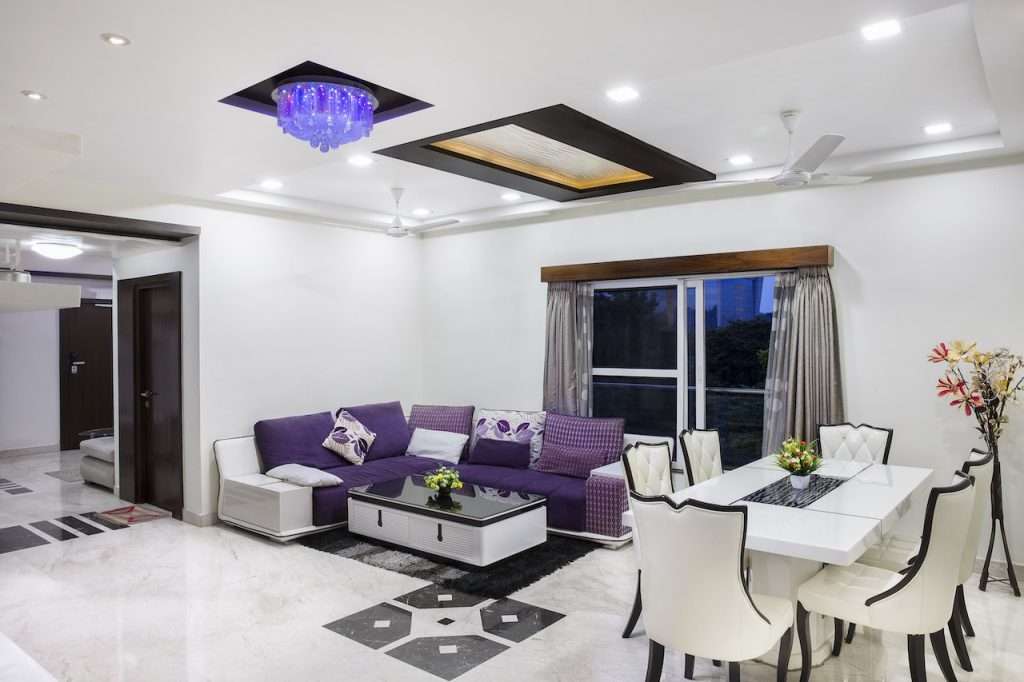

Flooring is one of the most important elements of interior design, as it affects both the appearance and functionality of a space. The right flooring can enhance comfort, durability, and overall aesthetics, while the wrong choice can lead to maintenance issues and added costs. Professional interior designer companies guide homeowners and businesses through the flooring selection process to ensure long-lasting and visually appealing results.
Understanding the Purpose of the Space
Interior designers begin by evaluating how each space will be used. High-traffic areas such as living rooms, hallways, and offices require durable flooring, while bedrooms and lounges prioritize comfort. Kitchens and bathrooms need moisture-resistant materials. Interior designer companies recommend flooring options based on daily use, ensuring practicality without sacrificing style.
Considering Climate and Maintenance
Climate plays a key role in flooring selection. In warm and humid environments, interior designers often suggest materials like ceramic tiles, porcelain tiles, or stone flooring that stay cool and are easy to maintain. For areas where comfort is important, such as bedrooms, wood-look tiles or engineered flooring offer warmth without high maintenance. Choosing low-maintenance flooring helps homeowners save time and long-term costs.
Balancing Style and Functionality
Flooring should complement the overall interior style. Interior designers consider color, texture, and finish to ensure harmony with walls, furniture, and lighting. Neutral tones provide versatility and longevity, while textured or patterned flooring adds character. Interior designer companies focus on timeless options that remain stylish even as trends change.
Budget Planning and Smart Alternatives
Budget is always a consideration. Interior designers help clients find cost-effective alternatives that deliver a premium look. For example, high-quality tiles can replicate the appearance of marble or hardwood at a lower cost. Designer companies also plan flooring transitions carefully to create visual continuity without unnecessary expense.
Safety and Comfort Factors
Slip resistance, noise control, and comfort underfoot are essential factors. Interior designers recommend anti-slip finishes for bathrooms and kitchens, and sound-absorbing flooring for apartments and offices. Underlayment options are also suggested to improve comfort and reduce noise.
Conclusion
Choosing the right flooring requires careful consideration of function, climate, style, and budget. With expert guidance from professional interior designer companies, homeowners can select flooring that enhances both the beauty and performance of their spaces. Thoughtful flooring choices create a strong foundation for interiors that are durable, comfortable, and timeless.