
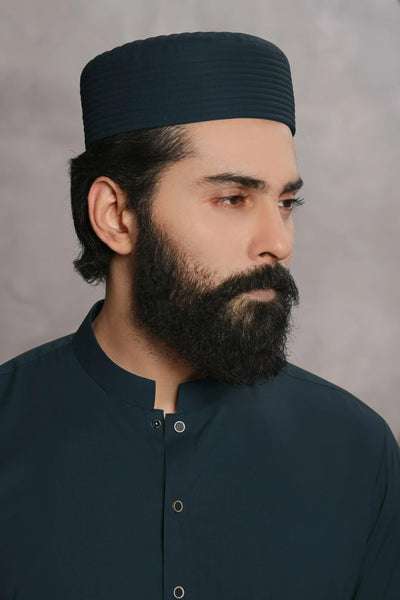

The Traditional Islamic Cap, often known as a Taqiyah or Topi, is more than just a piece of cloth worn on the head. For millions of Muslim men around the world, it represents modesty, respect, and a deep connection with faith. Simple in appearance yet powerful in meaning, this cap has remained a timeless part of Islamic culture for centuries.
In many Muslim households, wearing an Islamic cap begins at a young age. Little boys proudly wear their first cap to the mosque, especially on Fridays or during Ramadan. As they grow older, the cap becomes a symbol of maturity and religious responsibility. It’s not just about appearance it’s about identity.
A Reflection of Modesty and Respect
In Islam, modesty holds great importance. While wearing a cap is not obligatory, many Muslims choose to wear it as a sign of humility, particularly during prayer. Covering the head while standing before Allah is seen as a gesture of respect and devotion.
When you walk into a mosque, especially during Friday prayers, you’ll notice rows of men wearing white caps. It creates a sense of unity and equality. No matter their profession, social status, or background, everyone stands shoulder to shoulder, dressed modestly, focused on worship.
The cap quietly reminds the wearer of his faith. It encourages mindfulness a subtle but constant connection to spirituality.
Cultural Beauty Across the World
One beautiful thing about the Traditional Islamic Cap is how it varies across cultures while maintaining the same purpose. In Pakistan and India, it’s often called a “Topi” and is usually made of cotton with delicate embroidery. In Arab countries, the cap (sometimes known as a Kufi) may be worn under a headscarf like a ghutra. In Africa, embroidered kufis come in vibrant patterns and bold designs.
Each region adds its own touch different stitching styles, fabrics, and patterns yet the essence remains unchanged. It continues to represent faith, dignity, and cultural pride.
Perfect for Prayer and Daily Wear
The Traditional Islamic cap is lightweight, breathable, and comfortable. Most are made from soft cotton or knitted fabric, making them ideal for daily prayers. In warmer climates, especially in cities like Karachi or Riyadh, breathable material keeps the head cool and comfortable.
During Ramadan and Eid, many men choose new caps to match their traditional outfits. It completes the look of a kurta pajama or thobe beautifully. The simplicity of a plain white cap can add elegance to any traditional attire.
A Symbol of Unity
One of the most powerful aspects of the Islamic cap is the sense of unity it creates. During Hajj or Umrah, thousands of Muslim men from different countries gather in Makkah. Though they speak different languages and come from different cultures, many of them wear similar white caps. It reflects brotherhood and equality a reminder that in faith, everyone is the same.
There is something comforting about that shared symbol. It connects people beyond borders.
More Than Just Clothing
For some, the cap becomes part of daily identity. It represents discipline and dedication to religious values. Many scholars and elders wear it regularly, symbolizing knowledge and wisdom. Even outside the mosque, it can serve as a reminder to act with honesty and good character.
At the same time, it remains simple and accessible. You don’t need expensive material or heavy designs. Even the most basic cap carries meaning. Its beauty lies in its simplicity.
Keeping Tradition Alive
In a world rapidly influenced by modern fashion, the Traditional Islamic Cap continues to hold its place. Young generations are rediscovering its importance, wearing it proudly during prayers and religious gatherings. Social media has also helped revive interest in traditional Islamic clothing, encouraging modest fashion with confidence.
Parents pass this tradition to their children, ensuring that the cultural and spiritual significance remains alive. It is not just a fashion statement it’s a legacy.
Final Thoughts
The Traditional Islamic Cap may seem small, but its meaning is vast. It represents faith, humility, unity, and heritage. Whether worn daily or only during prayer, it carries spiritual value that goes beyond fabric and thread.