
Introduction
Rust is the enemy of metal. It eats away at steel structures, compromises vehicle bodies, destroys equipment, and shortens the life of everything from factory machinery to household tools. In Pakistan’s coastal areas like Karachi and Gwadar, the salt-laden air accelerates corrosion dramatically. In industrial zones, chemical exposure makes the problem even worse.
Traditional paints offer barrier protection — they cover the metal and try to keep moisture away. But when the paint scratches, rust starts immediately beneath the damaged area. The only way to stop this is with cathodic protection, the same technology used in hot-dip galvanizing.
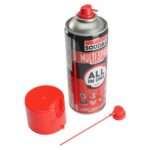
Soudal Zinc Spray brings this technology to an aerosol can. With 98 percent pure zinc in a sprayable compound, it provides genuine galvanic protection to iron and steel surfaces. Available across Pakistan through Soudal Pakistan, it is the professional’s choice for repairing damaged galvanized coatings, protecting weld seams, and preventing rust on metal structures of all sizes.
What Makes Zinc Spray Different?
Zinc Spray is not paint. It is a high-grade zinc compound with an epoxy-ester binder that dries to form a coating containing 98 percent metallic zinc. This high zinc content is the key to its performance.
When applied to steel or iron, the zinc acts as a sacrificial anode. Because zinc is more reactive than iron, it corrodes preferentially, protecting the underlying metal. Even if the coating is scratched, the exposed steel remains protected because the surrounding zinc continues to sacrifice itself.
This cathodic protection is the same principle used in hot-dip galvanizing, sacrificial anodes on ships, and impressed current systems on pipelines. Zinc Spray makes this technology accessible in a convenient aerosol format.
Key Technical Properties
According to the official technical data sheet, Zinc Spray has a total solid content of 46 percent, meaning nearly half the contents of the can become dry coating on the surface. The VOC content is approximately 54 percent.
The drying time at 23°C and 50 percent relative humidity is 10 to 15 minutes to dust dry, meaning the surface can be touched without smudging. It becomes tack-free after 20 to 30 minutes. The product is fully cured and paintable after 24 hours.
The temperature resistance of the cured coating ranges from -30°C to +350°C, making it suitable for applications from cold storage to exhaust systems.
One 400 ml can covers approximately 1.5 square meters when applied in two layers, as recommended.
The product conforms to ASTM A780–93, the standard specification for repair of damaged hot-dip galvanized coatings. This certification confirms its suitability for professional galvanizing repair work.
The Importance of Two Coats
The technical data sheet explicitly states: “Apply the zinc spray always in 2 layers.” This is not optional but mandatory for proper protection.
The first coat provides initial coverage but may have microscopic pinholes or thin spots. The second coat, applied after a minimum interval of 2 hours, fills these gaps and ensures a uniform, pinhole-free film. Two coats also achieve the required dry film thickness for effective cathodic protection.
Users who apply only one coat will not achieve the full corrosion protection potential of the product.
Surface Preparation
Proper surface preparation is critical for Zinc Spray performance. The technical data sheet specifies that surfaces must be rigid, clean, dry, and free from dust and grease. Loose old paint and rust must be removed before application.
The best results come from preparing the surface to near-white metal using abrasive blasting, grinding, or wire brushing. The zinc coating needs direct contact with clean steel to establish the electrochemical bond necessary for cathodic protection.
For surfaces that have been previously painted or coated, all loose material must be removed. The zinc coating can be applied over tightly adhered old coatings, but adhesion testing is recommended.
Electrical Conductivity and Weldability
Unlike paint, Zinc Spray is electrically conductive. The high metallic zinc content creates a conductive path through the coating. This makes it suitable for applications where electrical continuity is required, such as grounding connections, electrical enclosures, and EMI shielding.
The coating is also suitable for spot welding. In automotive body repair, this means that panels can be welded through the zinc coating without having to grind it off, saving time and maintaining protection in the welded area.
Application Method
Before each use, the can must be shaken thoroughly. The heavy zinc particles settle quickly, so shaking before each layer is essential for consistent zinc content in the spray.
The can should be held approximately 20 centimeters from the surface and sprayed in smooth, even passes. The first coat is applied, followed by a minimum 2-hour waiting period. The second coat is then applied using the same technique.
After 24 hours of curing, the coating can be over-painted with a finishing coat if desired. This allows users to combine cathodic protection with aesthetic topcoats.
After each use, the aerosol should be sprayed upside down for about 3 seconds to clean the valve. This prevents zinc residues from clogging the valve and ruining the can.
Health and Safety
Zinc Spray should only be used in well-ventilated areas. The product is classified as dangerous, and all precautions for use must be respected. Users should take usual occupational hygiene precautions and consult the label and safety data sheet for detailed information.
Frequently Asked Questions (FAQs)
Q1: What is the basis of Zinc Spray?
A: The product is a mixture of zinc compound with epoxy-ester binder.
Q2: When is it fully cured?
A: The product is fully cured and paintable after 24 hours.
Q3: What is the color of the dried coating?
A: The coating is matt grey.
Q4: How is Zinc Spray different from regular anti-rust paint?
A: Regular paint provides only barrier protection. Zinc Spray provides cathodic protection, meaning the zinc sacrificially corrodes to protect the steel, even at scratches. This is true galvanizing action
Q5: Can I paint over Zinc Spray?
A: Yes, after 24 hours of curing, the coating can be over-painted with most finishing coats.
Conclusion
Soudal Zinc Spray brings industrial-grade galvanizing technology to a convenient aerosol format. With 98 percent zinc content and ASTM A780–93 certification, it delivers genuine cathodic protection that ordinary paints cannot match.
The product is ideal for repairing damaged galvanized coatings, protecting weld seams, undercoating vehicles, and corrosion-proofing steel structures of all sizes. Its electrical conductivity and weldability add value for automotive and electrical applications.
For professionals fighting the constant battle against rust in Pakistan’s challenging environments from coastal humidity to industrial chemical exposure — Zinc Spray offers a proven, cost-effective solution. Proper surface preparation and the mandatory two-coat application ensure maximum protection.
For expert guidance, product inquiries, or to explore the full range of Soudal solutions, feel free to contact PATSA Pakistan or visit: https://patsapakistan.com/patsa-products