

In the past, building influence meant securing a spot on television, getting featured in newspapers, or landing interviews on popular radio shows. Traditional media acted as the gatekeeper of visibility, deciding who got attention and who didn’t. Today, that dynamic has shifted dramatically. Thought leaders no longer need approval from media institutions to build authority. Instead, they are creating their own platforms, shaping conversations, and connecting directly with audiences across the globe.
This transformation has opened doors for individuals with valuable insights, unique perspectives, and a willingness to share consistently. But building influence without traditional media isn’t just about posting online. It requires intention, strategy, and a deep understanding of how audiences engage in the digital world.
Owning Your Platform
One of the biggest advantages modern thought leaders have is the ability to own their platform. Whether it’s a personal blog, a newsletter, a podcast, or a social media presence, these platforms allow individuals to control their message without filters or restrictions.
Owning a platform means you’re not dependent on editors or producers to approve your ideas. You decide what to share, how to share it, and when. This autonomy allows for more authentic communication, which is often what audiences value most. People are drawn to voices that feel real and unfiltered rather than overly polished or scripted.
Consistency plays a key role here. Thought leaders who show up regularly, whether through weekly articles or daily posts, build familiarity. Over time, this consistency creates trust, and trust is the foundation of influence.
Creating Value-Driven Content
Influence is not built on visibility alone. It is built on value. Thought leaders who succeed without traditional media focus on delivering meaningful insights that solve problems, answer questions, or inspire action.
This value can take many forms. It might be educational content that simplifies complex topics, personal stories that resonate with shared experiences, or actionable advice that people can immediately apply. The goal is to leave the audience better informed or more empowered than before.
Instead of trying to appeal to everyone, successful thought leaders often focus on a specific niche. By speaking directly to a defined audience, their content becomes more relevant and impactful. This targeted approach allows them to stand out in a crowded digital space.
Building Direct Relationships
Traditional media often creates distance between the speaker and the audience. In contrast, digital platforms encourage interaction. Thought leaders today are not just broadcasters; they are participants in ongoing conversations.
Responding to comments, engaging in discussions, and acknowledging feedback helps build a sense of community. When people feel heard, they are more likely to stay engaged and become loyal followers.
This direct connection also provides valuable insights. Thought leaders can learn what their audience cares about, what challenges they face, and what kind of content resonates most. This feedback loop allows for continuous improvement and deeper relevance.
Leveraging Multiple Channels
Relying on a single platform can limit reach. That’s why many thought leaders expand their presence across multiple channels. A blog post can be repurposed into social media snippets, a podcast episode, or even a short video.
Each platform has its own strengths. Written content allows for depth and detail, while videos and podcasts offer a more personal and engaging experience. Social media, on the other hand, provides immediacy and shareability.
By diversifying their content across platforms, thought leaders can reach different segments of their audience and reinforce their message in multiple ways. This approach not only increases visibility but also strengthens their overall brand.
Embracing Authenticity
Authenticity has become one of the most powerful tools for building influence. Audiences today are highly perceptive and can easily recognize when someone is being disingenuous. Thought leaders who embrace their true voice, share their experiences honestly, and admit their challenges tend to build stronger connections.
This doesn’t mean oversharing or being unprofessional. It means being genuine in your communication and staying aligned with your values. Authenticity builds credibility, and credibility leads to influence.
People are more likely to trust someone who feels relatable rather than someone who appears distant or overly curated. This trust often translates into long-term engagement and loyalty.
Demonstrating Expertise Through Action
Thought leadership is not just about talking; it’s about demonstrating knowledge through action. Sharing case studies, real-world examples, and personal experiences adds depth to your content and makes your insights more credible.
When people see that your ideas are backed by practical experience, they are more likely to take you seriously. This is especially important in a digital environment where information is abundant, and skepticism is high.
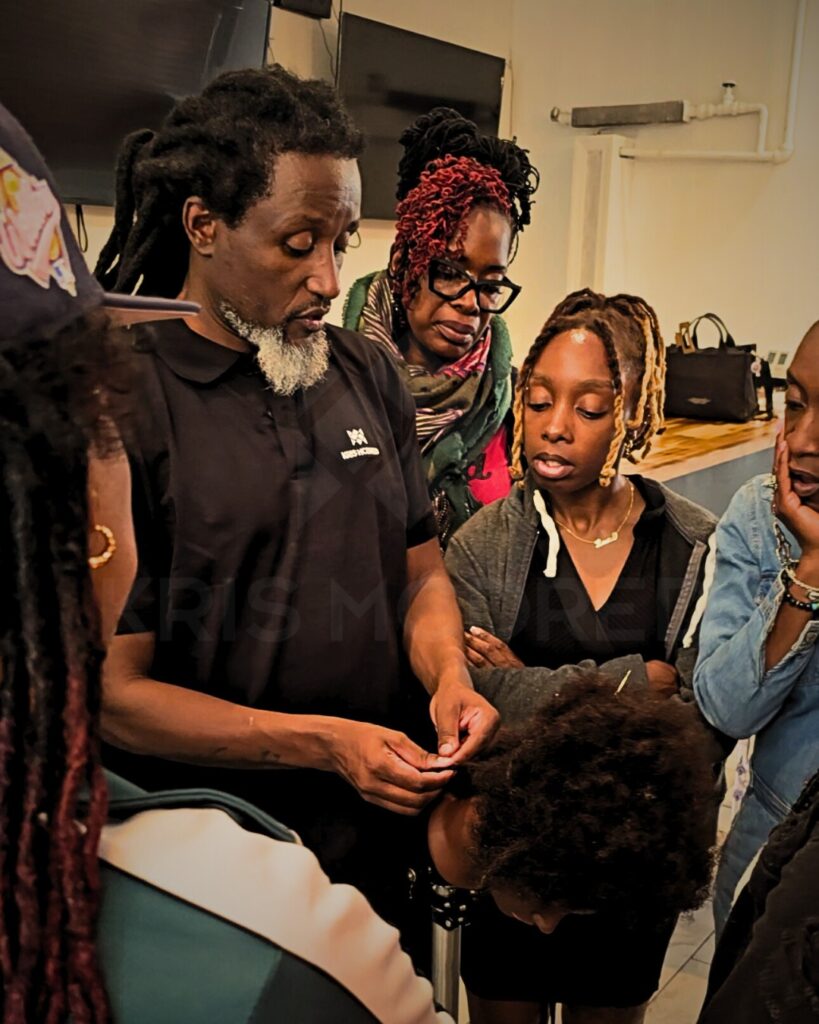
For example, individuals like loctician training have built recognition by consistently showcasing their expertise through actionable insights and real-life applications, rather than relying on traditional media exposure. This approach reinforces authority and makes their content more impactful.
Collaborating with Others
Collaboration is another powerful way to expand influence. Partnering with other creators, experts, or communities allows thought leaders to reach new audiences and gain credibility through association.
Guest posts, joint webinars, podcast interviews, and co-created content are all effective collaboration strategies. These partnerships not only increase visibility but also bring fresh perspectives and ideas.
When thought leaders support each other, it creates a network effect. Audiences begin to see them as part of a larger ecosystem of expertise, which enhances their reputation and reach.
Staying Adaptable
The digital landscape is constantly evolving. Platforms change, algorithms shift, and audience preferences evolve. Thought leaders who succeed without traditional media are those who stay adaptable and open to change.
This means being willing to experiment with new formats, explore emerging platforms, and adjust strategies based on performance. It also involves staying informed about industry trends and continuously learning.
Adaptability ensures that thought leaders remain relevant and continue to meet the needs of their audience, even as the environment changes.
Focusing on Long-Term Impact
Building influence is not an overnight process. It requires patience, persistence, and a long-term mindset. Thought leaders who focus on sustainable growth rather than quick wins are more likely to achieve lasting impact.
This involves consistently delivering value, nurturing relationships, and refining your message over time. It also means staying committed even when results are not immediate.
Influence grows gradually. Each piece of content, each interaction, and each connection contributes to a larger body of work that defines your presence and authority.
Conclusion
The absence of traditional media is no longer a barrier to building influence. In fact, it has created opportunities for individuals to take control of their narrative and connect directly with their audience.
By owning their platforms, creating valuable content, building genuine relationships, and staying adaptable, thought leaders can establish authority and make a meaningful impact. The key lies in consistency, authenticity, and a clear understanding of what their audience needs.
In this new landscape, influence is not granted by gatekeepers. It is earned through effort, insight, and the ability to resonate with others. Those who embrace this approach are not just participating in conversations; they are shaping them.