

Choosing between cordless and corded tools is one of the most common decisions faced by DIY enthusiasts, homeowners, and professionals alike. Both options have evolved significantly over the years, offering improved performance, durability, and convenience. The right choice depends on how you work, where you work, and what kind of projects you handle on a regular basis.
Understanding the strengths and limitations of each type can help you make a practical and cost-effective decision.
Understanding Corded Tools
Corded tools are powered directly through an electrical outlet. This means they deliver consistent power as long as they are plugged in. Traditionally, they have been the go-to choice for heavy-duty tasks and long working sessions.
One of the biggest advantages of corded tools is their reliability. You don’t need to worry about battery levels or charging cycles. As long as you have access to electricity, you can keep working without interruptions. This makes them ideal for workshops, garages, or construction sites where power outlets are readily available.
Another benefit is their consistent performance. Corded tools maintain the same level of power throughout the job, which is particularly useful for demanding applications like cutting thick materials or drilling into concrete.
However, corded tools come with limitations. Mobility is the biggest drawback. The cord can restrict your movement and may require extension cables for larger work areas. It can also become a safety hazard if not managed properly.
Understanding Cordless Tools
Cordless tools run on rechargeable batteries, offering unmatched convenience and portability. Over the past decade, battery technology has improved dramatically, making cordless tools more powerful and longer-lasting than ever before.
The most obvious advantage is freedom of movement. Without a cord, you can work anywhere, whether it’s outdoors, on a ladder, or in tight spaces. This makes cordless tools especially popular for quick tasks and remote job sites.
Cordless tools are also easier to handle. They eliminate the need for extension cords and reduce setup time. For many users, this translates to increased efficiency, especially when working on smaller or scattered tasks.
That said, battery life remains a key consideration. Even though modern batteries last longer, they still require charging. For extended jobs, having spare batteries is often necessary. Additionally, cordless tools may experience slight drops in performance as the battery drains, although this is less noticeable with newer models.
Power and Performance Comparison
When it comes to raw power, corded tools still hold a slight edge. They are better suited for heavy-duty applications that require sustained high performance. Tasks like cutting through dense materials or running tools for extended periods are typically handled more effectively by corded options.
Cordless tools, on the other hand, have closed the gap significantly. High-end models now offer impressive power levels that can handle most everyday tasks with ease. For general home use, light construction, and DIY projects, cordless tools are often more than sufficient.
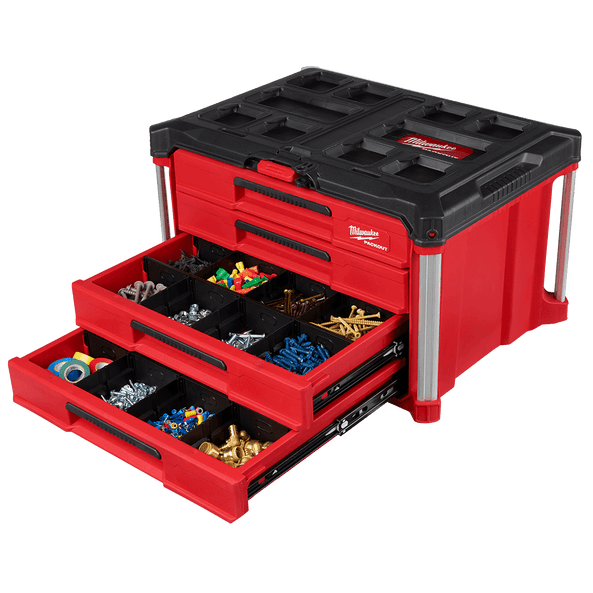
For example, a compact tool like a packout boxes can deliver strong cutting performance while maintaining the flexibility that cordless tools are known for. This kind of balance makes cordless tools increasingly appealing to a wide range of users.
Convenience and Portability
Portability is where cordless tools truly shine. You can carry them anywhere without worrying about finding a power source. This makes them ideal for outdoor projects, emergency repairs, and work in locations where electricity is not easily accessible.
Corded tools require more setup. You need to ensure access to power, manage cables, and sometimes use extension cords. While this may not be a problem in a fixed workspace, it can become inconvenient in dynamic or large environments.
For everyday use, especially around the house, many people prefer the simplicity of cordless tools. Being able to grab a tool and start working immediately is a significant advantage.
Cost Considerations
Cost is another important factor when choosing between cordless and corded tools.
Corded tools are generally more affordable upfront. They don’t require batteries or chargers, which reduces the initial investment. If you are building a basic toolkit on a budget, corded options can be a practical choice.
Cordless tools tend to be more expensive initially due to the cost of batteries and charging systems. However, many brands offer battery platforms that allow you to use the same battery across multiple tools. Over time, this can help offset the cost.
It’s also worth considering long-term expenses. Batteries have a limited lifespan and may need replacement after a few years, which adds to the overall cost of cordless tools.
Maintenance and Durability
Both types of tools require proper care, but their maintenance needs differ slightly.
Corded tools are generally simpler in design, which can make them more durable in the long run. They don’t rely on batteries, so there’s one less component that can wear out over time.
Cordless tools require attention to battery health. Proper charging habits, storage, and usage can extend battery life. Modern lithium-ion batteries are quite durable, but they still degrade over time.
In terms of overall durability, both corded and cordless tools can last for years if used and maintained properly. The key is to choose quality tools and follow manufacturer guidelines.
Safety Factors
Safety is another area where both options have their pros and cons.
Corded tools can pose tripping hazards due to cables, especially in busy work areas. There is also the risk of accidentally cutting or damaging the cord, which can be dangerous.
Cordless tools eliminate these risks but introduce others. Battery-related issues, such as overheating or improper charging, need to be managed carefully. However, modern tools are equipped with safety features that minimize these risks.
Overall, both types are safe when used correctly, but cordless tools offer a cleaner and less cluttered working environment.
Ideal Use Cases
Corded tools are best suited for:
- Long, continuous work sessions
- Heavy-duty tasks
- Workshop environments
- Situations where consistent power is essential
Cordless tools are ideal for:
- Quick and small tasks
- Outdoor or remote work
- Tight or hard-to-reach spaces
- Projects requiring mobility and flexibility
Understanding your typical use case can make the decision much easier.
Making the Right Choice
There is no one-size-fits-all answer when it comes to choosing between cordless and corded tools. The best option depends on your specific needs and preferences.
If you value power and consistency and mostly work in a fixed location, corded tools are a reliable choice. They are cost-effective and well-suited for demanding tasks.
If you prioritize convenience, portability, and ease of use, cordless tools are the way to go. They offer flexibility and are perfect for everyday tasks around the home or job site.
Many professionals and DIY enthusiasts choose to use a combination of both. This approach allows you to take advantage of the strengths of each type, ensuring you always have the right tool for the job.
Final Thoughts
The debate between cordless and corded tools has shifted in recent years, largely due to advancements in battery technology. While corded tools still hold their ground in terms of raw power and consistency, cordless tools have become increasingly capable and versatile.
For everyday use, cordless tools often provide the convenience and flexibility that most users need. However, corded tools remain an essential part of any serious toolkit, especially for more demanding applications.
By understanding the differences and evaluating your own needs, you can build a tool collection that works efficiently for you, whether that means going fully cordless, sticking with corded, or finding the right balance between the two.