
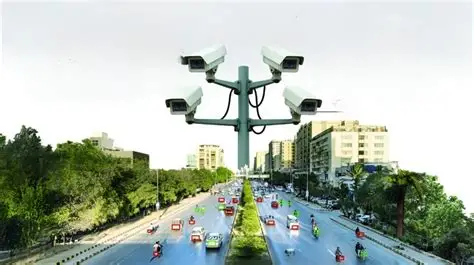

When Karachi’s e-challan system was launched, it was framed as a major step toward modernizing the city. And to be fair, many of us welcomed the idea. For years, traffic enforcement in Karachi has been unpredictable, paper-based, and often dependent on the discretion of individual officers. A move towards digital challans sounded like something that would bring order and transparency. But ever since the rollout began, the conversations I’ve heard from colleagues, classmates and even drivers at work, tell a very different story. Instead of feeling empowered by technology, people feel blindsided by it.
The most common complaint is simple: people are receiving challans they didn’t even know existed. Someone in my class only found out he had Rs. 12,000 worth of fines when he went to renew his registration. Another friend said the Excise officer asked him about receiving the message, but he never received anything because he had changed his mobile number years ago. Karachi is a city where people shift SIMs, phones, and networks often, and yet the system assumes that one SMS will reach every citizen reliably. That assumption alone places a huge part of the population at an immediate disadvantage.
Then there’s affordability. For many middle-class and lower-income families, a challan of Rs. 1,000–2,000 isn’t just a minor inconvenience but also it can disrupt the monthly budget. If someone unknowingly accumulates multiple fines, the total can become genuinely overwhelming. This is especially unfair in a city where road infrastructure itself is a daily struggle. Lane markings fade within weeks, signboards are missing or unclear, and potholes force even careful drivers to swerve unexpectedly. How can we expect perfect compliance when the environment for compliance barely exists?
The police perspective, however, isn’t completely unreasonable. Anyone living in Karachi knows that manual challans often meant negotiation, not enforcement. A digital system reduces that vulnerability. Cameras don’t argue, and they don’t take bribes. In theory, the system is meant to protect citizens from arbitrary behavior. But the challenge is bigger than technology; it’s about trust. When citizens don’t know how to verify or dispute a challan, and when there is no visible communication campaign explaining the process, people feel targeted rather than protected. A system that isn’t understood will never be respected.
Businesses are also feeling the pressure. Companies that operate delivery fleets or logistics networks now must constantly check whether their vehicles have been fined. Even in my MBA circles, several students who work in supply chain roles say they are spending unnecessary time coordinating with drivers and operations teams to cross-check challans. Without a smooth way to verify or contest fines, companies absorb extra costs that ultimately trickle down to consumers. At a time when inflation is already squeezing every sector, even small inefficiencies add up.
What’s frustrating is that the idea behind e-challans isn’t flawed. Cities like Singapore, Istanbul, and Dubai have proven that digital enforcement can improve traffic discipline and reduce accidents. Karachi desperately needs that. But those cities reached that point by building trust, awareness, and accessibility before expecting compliance. Here, the system was launched first, and the communication came later—if at all.
If this system is to work, the starting point must be empathy. Citizens need to feel like the system is designed for them, not against them. That means clear and repeated communication campaigns, proper signposting, and an easy process to dispute incorrect fines. It also means ensuring that people receive challan alerts, whether through multiple SMS attempts, WhatsApp notifications, app alerts, or even integration with vehicle insurance reminders. Digital governance cannot operate on assumptions. It must operate on reality, and the reality is that Karachi’s digital literacy, road infrastructure, and communication channels are not uniform. A digitally advanced system built on uneven foundations will always leave someone out.
The e-challan system has potential. It can reduce corruption, improve safety, and introduce accountability on the roads. But technology alone cannot change Karachi. People can. That change can only happen if the system recognizes their limitations, respects their challenges, and communicates with them consistently. Karachi doesn’t need a perfect system; it needs a fair one. The e-challan initiative can become that—if its architects remember the one thing the current version seems to have overlooked: the human being on the other end of the fine.