
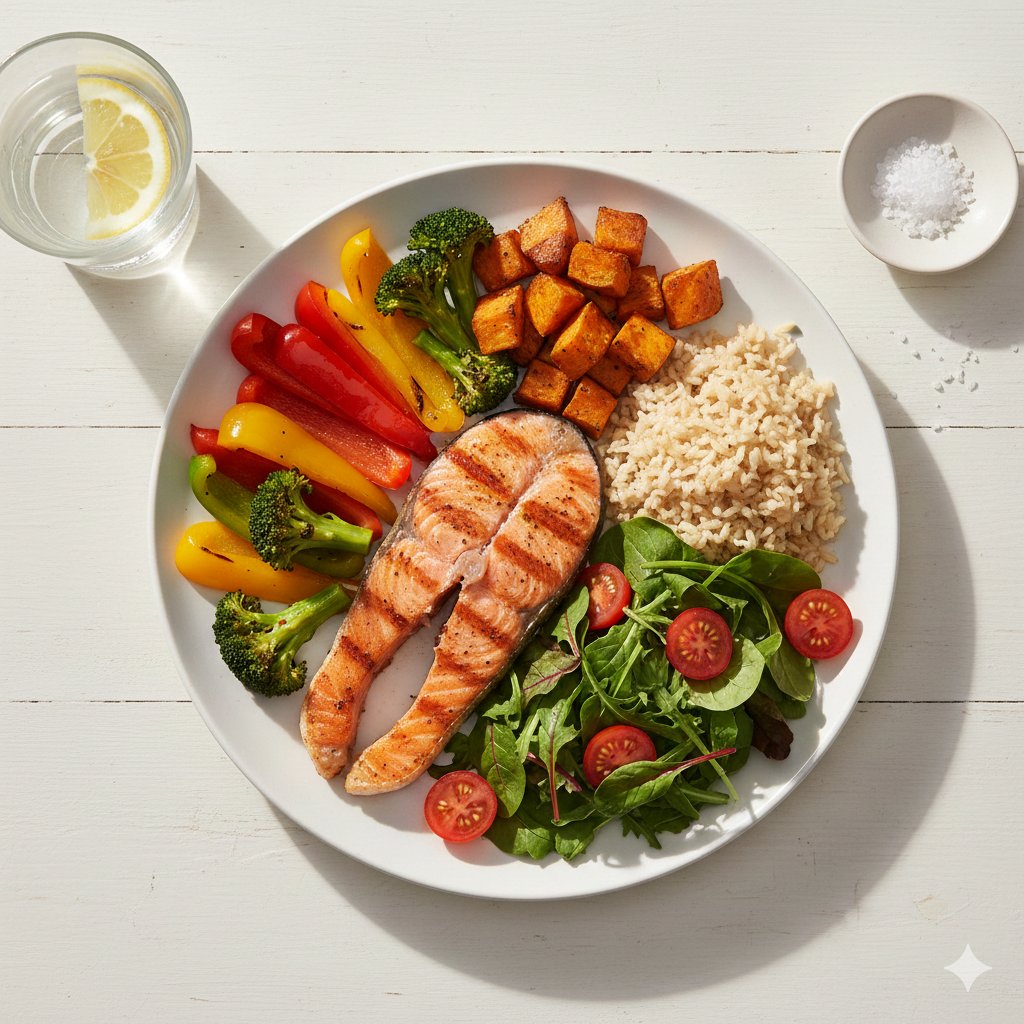

Living with Addison\’s disease or adrenal insufficiency requires careful attention to many aspects of daily life, and nutrition is undoubtedly one of the most crucial—yet often overlooked—components of managing this condition. As a dietitian who has worked extensively with the adrenal insufficiency community, I\’ve seen firsthand how strategic nutritional choices can make a profound difference in managing symptoms, supporting medication effectiveness, and improving overall quality of life.
Understanding the Nutritional Challenges
When your adrenal glands aren\’t producing adequate cortisol and aldosterone, your body faces unique metabolic challenges that directly impact your nutritional needs. The lack of cortisol affects how your body processes carbohydrates, proteins, and fats, while aldosterone deficiency influences your sodium and potassium balance. Understanding these connections is the first step toward making informed dietary choices.
Many people with Addison\’s experience fluctuating energy levels, salt cravings, low blood pressure, and digestive sensitivities. These aren\’t just inconveniences—they\’re your body\’s way of signaling its specific nutritional requirements. Rather than fighting against these signals, we can work with them to develop a sustainable eating pattern that supports your wellbeing.
The Foundation: Sodium and Electrolyte Balance
Let\’s address the elephant in the room: salt cravings. If you have Addison\’s disease, you\’ve likely experienced intense cravings for salty foods. This isn\’t a character flaw or lack of willpower—it\’s your body desperately trying to maintain appropriate sodium levels.
Why Sodium Matters
Without adequate aldosterone, your kidneys excrete more sodium than they should, which can lead to dehydration, low blood pressure, dizziness, and fatigue. Most people with Addison\’s need significantly more sodium than the general population—often 3-5 grams above the standard dietary intake.
Practical Sodium Strategies
Rather than relying solely on processed foods or table salt, consider incorporating naturally sodium-rich foods into your diet. Olives, pickles, miso soup, and properly seasoned home-cooked meals can help you meet your sodium needs while also providing other valuable nutrients. I encourage my clients to listen to their bodies—if you\’re craving salt, it\’s usually for a good reason.
Keep a small container of sea salt or electrolyte tablets with you, especially during hot weather, exercise, or illness when you might need additional sodium replacement. Some of my clients find that starting their day with a glass of water containing a pinch of salt and a squeeze of lemon helps them feel more energized and balanced.
Blood Sugar Stability: Your Secret Weapon
Cortisol plays a crucial role in maintaining blood glucose levels, particularly during fasting periods. Without sufficient cortisol, you\’re at risk of hypoglycemia, especially overnight or between meals. This is why many people with Addison\’s feel worse in the morning or experience afternoon energy crashes.
Building Blood Sugar-Friendly Meals
The key is combining complex carbohydrates with protein and healthy fats at each meal and snack. This combination slows digestion and provides a steady release of glucose into your bloodstream, preventing the spikes and crashes that can leave you feeling exhausted or unwell.
For breakfast, instead of toast alone, pair it with eggs and avocado. At lunch, combine your sandwich with nuts or cheese. For dinner, ensure you have a good portion of protein alongside your vegetables and grains. These simple adjustments can make a remarkable difference in how you feel throughout the day.
The Bedtime Snack Strategy
Many people with Addison\’s benefit from a small, protein-rich snack before bed. This might be a handful of nuts, Greek yogurt, or cheese with whole-grain crackers. This practice helps maintain blood sugar levels overnight and can prevent morning fatigue and nausea. Some of my clients report that this single change has transformed their mornings.
Timing Your Meals with Your Medication
The relationship between food and hydrocortisone absorption is an important consideration. While hydrocortisone can be taken with or without food, consistency is key. Some people find that taking their medication with a small amount of food helps reduce stomach upset, while others prefer taking it on an empty stomach for more predictable absorption.
The Cortisol-Nutrition Coordination
Your natural cortisol peaks should occur in the morning, which is why you take your largest dose upon waking. Consider having breakfast within an hour of your morning dose to support your body\’s metabolic processes. Similarly, smaller doses throughout the day should be complemented by regular meals and snacks to maintain stable energy levels.
During periods of stress, illness, or increased physical activity, you\’ll need to updose your medication—but don\’t forget that your nutritional needs also increase during these times. Ensure you\’re eating adequately to support your increased metabolic demands.
Protein: Your Body\’s Building Block
Protein requirements may be slightly higher for individuals with Addison\’s disease due to the catabolic effects of cortisol deficiency. Adequate protein intake supports muscle maintenance, immune function, and overall recovery from stress or illness.
Aim for a palm-sized portion of protein at each main meal. This could be fish, poultry, meat, eggs, legumes, tofu, or dairy products. Don\’t overlook plant-based proteins—combining beans with rice, or hummus with whole-grain bread, provides complete protein along with valuable fiber and micronutrients.
Micronutrients and Their Magic
While macronutrients get most of the attention, micronutrients play crucial supporting roles in managing Addison\’s disease effectively.
Vitamin C and Vitamin B Complex
These vitamins support adrenal function and energy metabolism. Incorporate citrus fruits, berries, leafy greens, and whole grains into your daily diet. While supplementation might be appropriate for some individuals, whole food sources provide these vitamins alongside other beneficial compounds.
Magnesium and Potassium
These minerals work in balance with sodium to support cellular function, muscle health, and energy production. Foods like bananas, potatoes, spinach, nuts, and seeds are excellent sources. However, be mindful with potassium—while some aldosterone-deficient individuals need additional potassium, others may retain it depending on their fludrocortisone dose and kidney function.
Hydration: More Than Just Water
Proper hydration is absolutely essential when managing Addison\’s disease, but it\’s not just about drinking more water. Because of aldosterone deficiency, you need to ensure you\’re replacing both fluids and electrolytes.
Plain water alone can sometimes dilute your electrolytes further, particularly if you\’re drinking large quantities. Consider alternating between water and drinks that contain sodium and other electrolytes. Homemade electrolyte drinks using water, a pinch of salt, a squeeze of citrus, and a small amount of honey can be both effective and economical.
During hot weather, exercise, or illness, increase both your fluid and sodium intake significantly. Many people with Addison\’s underestimate how much extra salt they need during these times.
Navigating Dietary Restrictions and Special Situations
Food Intolerances
Some individuals with Addison\’s develop digestive sensitivities or food intolerances. If you suspect certain foods are causing problems, keep a detailed food and symptom diary before making drastic dietary changes. Work with a healthcare professional to identify genuine intolerances versus symptoms related to medication timing or dosing.
Social Eating and Restaurants
Eating out doesn\’t have to be stressful. Most restaurants are happy to accommodate requests for extra salt or modifications to dishes. Keep emergency snacks and electrolyte supplements in your bag for unexpected delays or situations where suitable food isn\’t available.
Special Diets
Whether you\’re vegetarian, vegan, or following other dietary patterns, it\’s entirely possible to meet your nutritional needs with Addison\’s. The key is ensuring adequate sodium, regular meal timing, and sufficient protein from your chosen sources. Plant-based eaters should pay particular attention to vitamin B12, iron, and complete protein combinations.
Creating Your Personalized Nutrition Plan
While these general principles apply to most people with Addison\’s disease, everyone\’s needs are unique. Factors including your medication dose, activity level, other health conditions, and personal preferences all influence your optimal dietary pattern.
Start with a Foundation
Begin by establishing regular meal times—typically three meals plus two to three snacks daily. This provides consistent fuel and works synergistically with your medication schedule. From this foundation, you can adjust portion sizes, food choices, and timing based on how you feel.
Listen to Your Body
Your body provides valuable feedback. Intense salt cravings, persistent fatigue despite adequate rest, shakiness between meals, or morning nausea are all signals that your nutrition strategy might need adjustment. Rather than dismissing these symptoms, use them as information to refine your approach.
Monitor and Adjust
Keep notes about what you eat, when you eat, how you feel, and any symptoms you experience. Over time, patterns will emerge that help you understand your individual needs. This information is also invaluable to share with your healthcare team.
Practical Tips for Success
Meal Preparation
Batch cooking proteins, pre-cutting vegetables, and having quick-assembly meals ready can make it easier to eat regularly even when you\’re not feeling well. Keep your pantry stocked with shelf-stable options like canned fish, nuts, dried fruit, and crackers for emergency situations.
Emergency Nutrition Kit
Just as you carry your emergency injection kit, consider keeping emergency snacks with you. Individual packets of nut butter, protein bars, electrolyte tablets, and shelf-stable juice boxes can be lifesavers when you\’re experiencing low blood sugar or unable to access a meal on time.
Communication with Healthcare Providers
Share your dietary habits and challenges with your endocrinologist. Sometimes what seems like a medication issue is actually related to nutrition timing or inadequacy, and vice versa. An integrated approach to managing Addison\’s considers both pharmaceutical and nutritional interventions.
Looking Forward: Food as Medicine
Nutrition won\’t replace your essential hormone replacement therapy—nothing can do that. However, strategic nutritional choices can significantly enhance how well you feel, how effectively your medications work, and your overall quality of life with Addison\’s disease.
The goal isn\’t perfection; it\’s finding a sustainable, enjoyable way of eating that supports your body\’s unique needs. Some days you\’ll nail your nutrition plan, and other days you\’ll rely on convenience foods and that\’s completely okay. What matters is the overall pattern over time, not individual meals or days.
As you experiment with these strategies, be patient with yourself. It takes time to understand your body\’s signals and find what works best for you. Celebrate the small victories—waking up with more energy, getting through the afternoon without crashing, or simply feeling more in control of your health.
Remember, you\’re not just managing a condition—you\’re nourishing a body that works incredibly hard every day. Treat yourself with the same compassion and care you would offer a dear friend, and know that every positive step you take toward better nutrition is an investment in your wellbeing.
Author\’s Note: This article provides general nutritional guidance for the Addison\’s community. Individual nutritional needs vary significantly based on medication dosing, activity level, other health conditions, and personal circumstances. Always consult with your endocrinologist and, where possible, a registered dietitian familiar with adrenal insufficiency before making significant dietary changes.
Quick Reference: Daily Nutrition Checklist for Addison\’s
✓ Morning: Take medication, eat breakfast within 60 minutes
✓ Throughout the day: 3 meals + 2-3 snacks
✓ Each meal includes: Protein + complex carbs + healthy fat
✓ Sodium: Listen to cravings, season food generously
✓ Hydration: Water + electrolytes throughout the day
✓ Before bed: Small protein-rich snack
✓ Always carry: Emergency snacks and electrolytes
Word Count: Approximately 1,800 words
Accompanying FAQs:
How do you remember to take your tablets? [You\’ll need to provide this personal answer]
Where do you keep your injection kit? [You\’ll need to provide this personal answer and photo]
What type of medic ID do you have? [You\’ll need to provide this personal answer]
Author Bio:
Samis is a registered dietitian and nutritionist specializing in endocrine disorders and metabolic conditions, with extensive research experience in the adrenal insufficiency community. Based in Sialkot, Punjab, Pakistan, Samis is passionate about translating complex nutritional science into practical, livable strategies for people managing chronic conditions. When not working with patients and conducting research, Samis Instruments also runs a successful surgical instruments manufacturing company that produces world-class medical equipment recognized globally for exceptional quality and precision.