
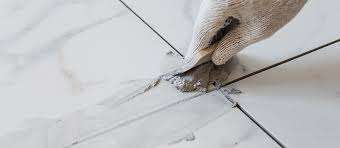

Grout may seem like a small detail, but it has a big job. When grout starts to break down, the full tiled area can begin to look old and neglected. Poor grout maintenance can also allow water to move into weak spots, especially in showers, backsplashes, and floors near sinks.
In simple terms, grout is not just cosmetic. It plays a direct role in how long tiled surfaces stay strong, clean, and easy to maintain.
Common Tile Grout Problems Homeowners Face
Tile grout usually fails in ways that are easy to recognize. The most common problem is dirt buildup. Dust, grease, soap film, and daily traffic slowly darken grout lines over time. In kitchens, grease and food splashes are often the main cause. In bathrooms, steam, soap residue, and standing moisture are common triggers.
Staining is another frequent issue. Grout is porous, so it can absorb spills and discolor quickly if it is left unsealed or if the sealer has worn away. Cracking is also common, especially in older installations or in areas where movement and moisture are repeated.
Mold and mildew can show up when damp grout stays wet for too long. The EPA recommends fixing leaks quickly, cleaning mold from hard surfaces with detergent and water, and drying the area completely after cleanup.
Loose or missing grout is often a sign that patching alone may not be enough. At that stage, the surface may need a more complete repair.
How to Clean Tile Grout Properly
Good tile grout cleaning starts with the right method. Harsh scrubbing and strong chemicals can do more harm than good, especially on older or unsealed grout.
Tools and supplies you need
For most cleaning jobs, a simple kit works well:
Soft-bristle brush or old toothbrush
Microfiber cloth
Warm water
Mild dish soap
Baking soda
pH-neutral cleaner for deeper cleaning
Gloves for tougher jobs
This Old House recommends gentle cleaning methods and soft brushing for routine care, while grout experts and home-care guides continue to warn against aggressive products that can weaken grout lines over time.
Safe DIY methods for everyday cleaning
When people ask how to clean tile grout, the safest starting point is warm water, a mild cleaner, and a soft brush. For light soil, that is often enough. For more visible grime, a baking soda paste with a little dish soap can help lift buildup without being too rough.
After scrubbing, the area should be rinsed well and dried fully. That last step matters.
Deep stains should be treated patiently. Scrubbing harder is not always the answer. Letting the cleaner sit for the recommended time usually works better than forcing the stain out with rough tools.
What to avoid when cleaning grout
Tile grout can wear down faster when cleaned the wrong way. Strong acids, undiluted bleach, and overly stiff brushes can damage grout or strip away its protective layer. Some common DIY mixes are still shared online, but not every mix is suitable for every grout type or surface. That is why mild, targeted cleaning remains the safer choice for routine care.
How to Repair Damaged Tile Grout
Once tile grout starts cracking or falling out, cleaning alone will not fix the problem. This is where grout repair becomes important.
How to remove old or cracked grout
Old grout should be removed carefully with a grout saw or oscillating tool made for that job. The goal is to remove damaged material without chipping the surrounding tile. Dust should be vacuumed out before new grout is applied.
How to apply new grout
Fresh grout should be mixed according to the product instructions and pressed firmly into the joints. A float helps spread it evenly. After a short setting period, the excess can be wiped away with a damp sponge.
When to regrout instead of patching
If damage is widespread, regrouting tile is usually the better fix. Spot repairs work for isolated cracks. Larger areas with repeated failure often need full regrouting so the finished surface looks even and performs better.
Why Sealing Tile Grout Is Important
Tile grout is naturally porous in many installations, which means it can absorb water, spills, and grime if left unprotected. That is where a good grout sealer helps. Sealing reduces absorption and makes routine cleaning easier.
Sealing also supports moisture control. In wet areas like showers, it adds another layer of protection against staining and mildew. Home-care sources commonly recommend resealing in wet or high-traffic areas about every six to twelve months, though lower-use areas may last longer between applications.
Not every grout line needs the same schedule. Bathroom floors, shower walls, mudrooms, and kitchen work areas usually need the most attention.
How to Seal Tile Grout Step by Step
Protecting tile grout does not have to be complicated, but the process should be done in the right order.
Choosing the right grout sealer
A penetrating sealer is a common choice because it sinks into the grout and helps block moisture and stains. The product should match the grout type and the room’s exposure to water.
Preparing the surface
Before sealing, the grout must be fully clean and dry. Several current guides recommend waiting at least 24 hours after cleaning so trapped moisture does not block the sealer from soaking in properly.
Applying sealer correctly
Sealer should be applied carefully along the grout lines, then allowed to absorb based on the product directions. Any extra residue on the tile surface should be wiped off before it dries.
How often to reseal grout
Tile grout in wet or busy spaces often needs a fresh coat every six to twelve months. Lower-traffic spaces may go longer. A simple water-drop test can help: if water soaks in quickly instead of beading up, it may be time to reseal.
Best Tips to Keep Tile Grout Looking New
The best way to protect tile grout is to make maintenance routine instead of occasional.
Regular sweeping or wiping helps stop dirt from settling into the joints. Quick spill cleanup lowers the risk of permanent staining. In bathrooms, ventilation matters just as much as cleaning. Running an exhaust fan or opening airflow after a shower helps reduce lingering moisture, which is one of the main causes of mold and mildew growth.
In kitchens, splashes from oils, sauces, and acidic foods should be cleaned fast. On floors, grit should not be left to build up.
Reseal when protection starts to fade.
Tile Grout FAQs
How often should tile grout be cleaned?
Tile grout should be cleaned lightly on a regular basis and deep-cleaned when buildup becomes visible. Wet areas usually need more frequent attention than dry spaces.
Can old grout be restored?
Yes, older grout can often be improved with deep cleaning, targeted stain treatment, and sealing. If the grout is cracked or missing, repair may be the better option.
Is sealing grout really necessary?
In many cases, yes. Sealing helps reduce moisture absorption, staining, and daily wear, especially in showers, kitchens, and high-traffic floors.
What is the best cleaner for tile grout?
A mild cleaner, baking soda paste, or a pH-neutral grout cleaner is usually the safest first step. Strong chemicals should be used carefully, if at all, because they can damage grout over time.