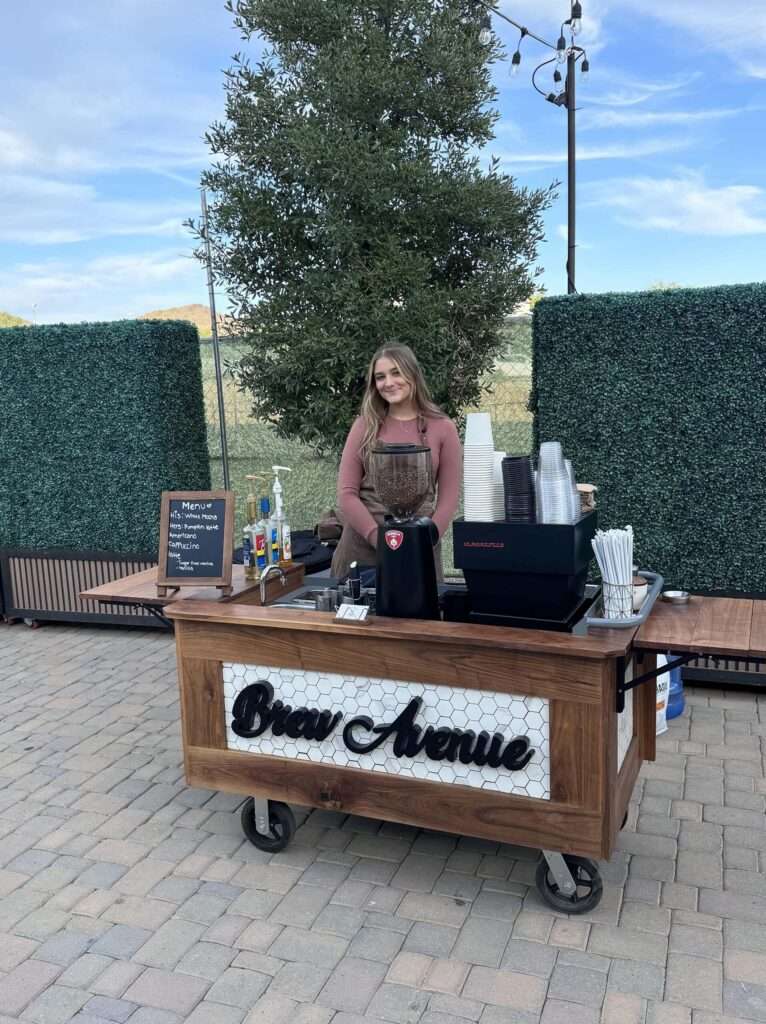

For any entrepreneur dreaming of a mobile coffee business in Arizona, the journey from concept to that first satisfying sale is paved with paperwork. Navigating the state\\\\\\\’s regulatory requirements is the essential, if unglamorous, first step to building a legitimate and thriving operation. This is true whether you\\\\\\\’re setting up at a Phoenix farmers\\\\\\\’ market, catering a corporate event in Scottsdale, or pulling espressos for a downtown crowd. Understanding these rules is non-negotiable for success. For a professional coffee catering service like Brew Avenue Coffee, meticulous compliance is the foundation of our trusted reputation. We are located in Phoenix, Arizona, United States, and our experience has taught us that getting the licenses right is what allows us to focus on our real passion: serving an unforgettable coffee experience.
Your Arizona Mobile Coffee Business License Toolkit
Operating legally requires several key permits, each serving a distinct purpose. Think of them as the essential ingredients in your business recipe—miss one, and the whole operation can stall.
The Foundational Business and Tax Permits
First, you must establish your business as a legal entity with the state, typically as a Limited Liability Company (LLC) for liability protection. You will also need a Transaction Privilege Tax (TPT) License from the Arizona Department of Revenue, often called a seller\\\\\\\’s permit. This allows you to legally collect sales tax from your customers. The cost for these initial filings varies, but the TPT License itself has no direct fee, though a security deposit may be required.
The Critical Health and Safety Permits
This is where mobile food operations face the most scrutiny. You will need a Mobile Food Establishment Permit from your county\\\\\\\’s health department. For operations based in the Phoenix metro area, this means applying through Maricopa County. Your mobile unit must pass a health inspection, which will assess food safety, equipment, water supply, and waste disposal systems.
Simultaneously, every employee who handles food or drink, including yourself, must obtain an Arizona Food Handler Card. This state-mandated certification ensures all staff understand safe food handling practices, and it costs no more than $15 per person.
Local City and County Business Licenses
Don\\\\\\\’t forget about your local municipality. Most cities, such as Phoenix, Scottsdale, or Tucson, require their own separate business license or mobile vending permit to operate within their limits. You must check with each city where you plan to operate, as their rules and fees can differ.
The table below summarizes these core requirements to help you keep track.
| Permit/License | Issuing Authority | Key Purpose | Estimated Cost/Notes |
|---|---|---|---|
| Business Entity (e.g., LLC) | Arizona Secretary of State | Legal business structure & liability protection. | Varies by filing type. |
| Transaction Privilege Tax License | Arizona Department of Revenue | To legally collect and remit sales tax. | No fee (security deposit may apply). |
| Mobile Food Establishment Permit | County Health Department (e.g., Maricopa) | Main food safety operating permit for your cart/truck. | Varies by county; requires inspection. |
| Arizona Food Handler Card | State-approved providers | Mandatory food safety training for all staff. | Max. $15 per person. |
| City Business License | Local City Government | Permission to operate within a specific city. | Varies by city (Phoenix, Scottsdale, etc.). |
Mastering the Arizona Climate: A Seasonal Operator\\\\\\\’s Guide
Your permits let you operate, but understanding Arizona\\\\\\\’s extreme climate is key to how you operate. The savvy mobile coffee owner adapts their strategy with the seasons.
Summer (May–September): The Iced Coffee Season
When temperatures consistently soar above 100°F, your menu must pivot. Cold brew, nitro coffee, and iced lattes will become your best sellers. Logistics are crucial: ensure your generator and cooling systems can handle the intense heat, and always prioritize shade and hydration for your team and customers.
Winter (November–February): The Hot & Festive Season
Arizona\\\\\\\’s mild winters are a mobile coffee paradise. This is the peak season for weddings, corporate parties, and outdoor festivals. Your signature hot lattes, mochas, and seasonal specialties like peppermint or gingerbread will be in high demand. This is the time to maximize your bookings for catered events.
Spring & Fall: The Prime Growth Windows
The pleasant shoulder seasons offer perfect opportunities. You can comfortably test new locations, like university campuses or bustling business districts, and participate in popular farmers\\\\\\\’ markets and public festivals. The weather is ideal for attracting foot traffic with both hot and cold menu options.
From Paperwork to Pour-Over: Putting It All Into Practice
With permits secured and a seasonal plan in mind, you can focus on execution. For a service like Brew Avenue Coffee, this means bringing a luxury, branded espresso bar directly to events. The goal is to create a seamless, professional experience that becomes a focal point of the gathering, whether it\\\\\\\’s a wedding, a corporate gala, or a private party.
Remember, regulations can vary between counties and cities. Always consult directly with the health department in the county where your business is based (like Maricopa County for Phoenix)Â and the city clerk\\\\\\\’s office in every city you wish to work. Starting this research early in your planning process can prevent costly mistakes and delays.
Conclusion: Your Foundation for Success
The path to launching your mobile coffee cart in Arizona involves clear steps: form your business, secure your state and county health permits, train your team, and obtain local licenses. While the process requires diligence, it establishes the professional foundation that allows your business to grow and thrive in Arizona\\\\\\\’s vibrant and competitive market. By mastering these requirements, you free yourself to focus on the craft of coffee and the art of creating memorable experiences for every customer.
Frequently Asked Questions
What is the single most important permit for a mobile coffee cart in Arizona?
The Mobile Food Establishment Permit from your county\\\\\\\’s health department (e.g., Maricopa County Health Department) is the most critical. It is your official authorization to prepare and serve food and drinks to the public, and operating without it can result in immediate shutdown and fines.
I plan to operate in multiple cities (e.g., Phoenix and Scottsdale). Do I need multiple permits?
Yes, you typically do. You will need one primary Mobile Food Establishment Permit from the county where your business is based and commissary kitchen is located. However, you will also need separate business licenses or vending permits from each individual city you operate within, as local regulations differ.
How long does it take to get all the necessary permits to start?
The timeline can vary from several weeks to a few months. The process involves forming your business entity, passing health inspections, and waiting for applications to be processed by various agencies. Starting this process well in advance of your planned launch date is highly recommended.
Are the rules different if I only do private catering at weddings or offices?
The core health and business license requirements generally remain the same, as you are still handling food for public consumption. However, private events on private property may have different zoning implications. It\\\\\\\’s always safest to be fully permitted, as it protects your business and assures your clients of your professionalism.