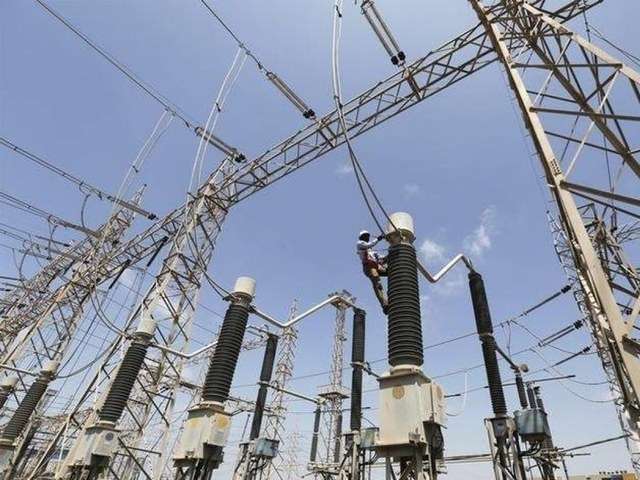

In today’s rapidly expanding infrastructure landscape, reliable power transmission and distribution systems are more important than ever. From urban cities to remote rural networks, electrical grids depend heavily on precision-engineered hardware to ensure safety, efficiency, and durability. Among the most essential yet often overlooked components are power line fittings.
Power line fittings play a crucial role in maintaining structural integrity, ensuring electrical continuity, and supporting long-term performance under harsh environmental conditions. Whether in high-voltage transmission lines or local distribution networks, these components are fundamental to grid reliability.
This article explores the importance of power line fittings, their types, material considerations, applications, and how quality manufacturing impacts overall system performance.
Understanding Power Line Fittings
Power line fittings refer to the mechanical and structural hardware used in overhead transmission and distribution systems. These components connect conductors, insulators, poles, cross-arms, and towers while maintaining proper tension and alignment.
Without these fittings, electrical networks would lack stability, leading to sagging conductors, mechanical failures, and potential safety hazards.
Key functions include:
Securing conductors to insulators
Maintaining proper conductor tension
Anchoring poles and guy wires
Absorbing mechanical loads from wind and environmental forces
Ensuring electrical grounding continuity
In high-voltage systems, even minor hardware failure can lead to significant outages or costly repairs, making component quality non-negotiable.
Major Types of Power Line Fittings
1. Suspension Fittings
Suspension fittings are used to hang conductors from transmission towers or poles. These fittings allow slight movement, which helps absorb wind pressure and mechanical stress.
They are commonly used in straight-line transmission sections where vertical support is required without excessive tension load.
2. Tension (Strain) Fittings
Tension fittings are designed for areas where conductors change direction or terminate. They bear significant mechanical loads and prevent conductor slippage.
These fittings are critical in corner towers, dead-end poles, and long-span transmission lines.
3. Guying and Anchoring Hardware
Guy wires stabilize utility poles and transmission structures. Components such as stay rods, anchor rods, thimbles, and clamps ensure that poles remain upright under heavy load conditions.
Anchoring systems are especially important in regions prone to high winds or unstable soil conditions.
4. Grounding Hardware
Grounding clamps and connectors ensure proper electrical continuity between conductors and grounding systems. Effective grounding prevents electrical faults and protects equipment and personnel.
5. Insulator Fittings
Insulator hardware connects insulators to poles and cross-arms. These fittings must provide both mechanical strength and electrical insulation reliability.
Materials Used in Power Line Fittings
Material selection significantly affects performance and longevity.
Galvanized Steel
Hot-dip galvanized steel is widely used due to its strength and corrosion resistance. The zinc coating protects against rust, making it suitable for outdoor environments.
Forged Steel
Forged components offer enhanced mechanical strength and load-bearing capacity, making them ideal for high-stress applications.
Aluminum Alloys
Lightweight and corrosion-resistant, aluminum fittings are often used where weight reduction is critical.
Ductile Iron
Ductile iron offers good mechanical properties and cost-effectiveness for specific distribution applications.
Why Quality Manufacturing Matters
Power line fittings operate under extreme conditions:
High mechanical tension
Temperature variations
Wind and storm loads
Corrosive environments (coastal, industrial zones)
Poorly manufactured hardware can result in:
Premature corrosion
Mechanical failure
Conductor slippage
Increased maintenance costs
Safety hazards
High-quality manufacturers follow strict international standards, conduct tensile testing, galvanization thickness testing, and load verification to ensure reliability.
Companies specializing in transmission hardware, such as those focusing on engineered power line fittings and utility hardware solutions like those found at https://www.dppowerfitting.com, typically invest heavily in quality control processes, material testing, and production precision to meet international grid requirements.
Applications Across Industries
Power line fittings are used across multiple infrastructure sectors:
⚡ Electrical Transmission & Distribution
High-voltage transmission towers and medium-voltage distribution poles rely heavily on tension clamps, suspension assemblies, and anchoring hardware.
📡 Telecommunications Networks
Telecom towers and fiber optic support structures use similar anchoring and suspension hardware.
🚧 Infrastructure & Construction
Temporary power systems and construction-site distribution lines also utilize power line fittings.
🌍 Renewable Energy Projects
Wind and solar farms require reliable distribution systems that connect generated power to national grids.
The Importance of Corrosion Protection
Outdoor electrical systems are constantly exposed to:
Rain and moisture
Industrial pollution
Coastal salt spray
Extreme UV exposure
Hot-dip galvanization remains the preferred corrosion protection method due to its durability and long service life. Proper galvanization thickness ensures long-term resistance even in aggressive environments.
Investing in high-quality galvanized fittings significantly reduces maintenance cycles and total lifecycle costs.
Global Demand and Infrastructure Expansion
With increasing electrification in developing regions and modernization projects in established economies, the demand for reliable transmission hardware is rising.
Smart grid expansion, renewable integration, and rural electrification programs require robust overhead infrastructure — which in turn depends on high-performance fittings.
Manufacturers that can meet international standards, offer customization, and maintain consistent quality are becoming key partners in global infrastructure development.
Selecting the Right Supplier
When sourcing power line fittings, buyers should evaluate:
Manufacturing certifications
Compliance with international standards
Galvanization quality
Mechanical load ratings
Production capacity
Testing procedures
Export experience
Long-term partnerships with reliable suppliers reduce project risk and ensure consistent product quality.
Future Trends in Power Line Hardware
The industry continues evolving with innovations such as:
Improved corrosion-resistant coatings
Lightweight composite materials
Smart monitoring systems integrated into hardware
Advanced forging and CNC machining processes
As power grids become more complex and demand grows, hardware reliability becomes even more critical.
Conclusion
Power line fittings may appear to be small components within vast transmission systems, but their importance cannot be overstated. They ensure structural stability, maintain conductor integrity, and safeguard the entire power distribution network.
As infrastructure expands worldwide, the demand for durable, high-quality transmission hardware continues to grow. Selecting the right materials, manufacturing standards, and reliable suppliers is essential for ensuring long-term performance and safety.
In the end, resilient infrastructure starts with dependable components — and power line fittings remain one of the foundational elements supporting modern electrical systems.