
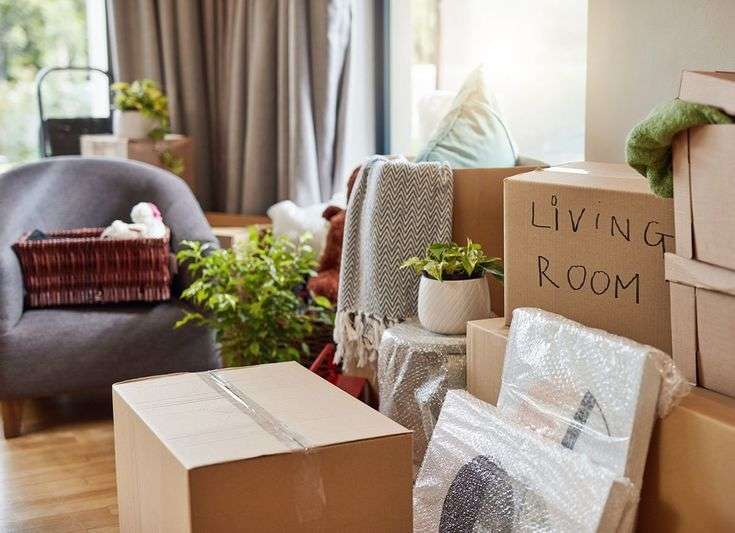

Moving does not have to drain energy, time, and money all at once. When someone is preparing for a move, it often feels like everything needs attention at the same time. Boxes pile up, costs start adding up, and suddenly the move feels more expensive and stressful than expected.
But when explained properly, there are practical moving hacks that can make the entire process smoother and more affordable.
According to industry data, the average local move costs around $1,250, while a long-distance move can exceed $4,500. The surprising part is that a large portion of these costs comes from poor planning, rushed decisions, and unnecessary services.
With the right approach, homeowners can reduce moving expenses by 20–30% while also saving valuable time.
Let’s walk through some realistic, easy-to-apply moving hacks that actually work.
Plan Early to Avoid Last-Minute Costs
One of the biggest money-saving hacks is simple planning. Movers report that bookings made 4–6 weeks in advance are significantly cheaper than last-minute reservations. Prices often rise by up to 25% when moves are scheduled on short notice.
Planning early allows flexibility with dates, which matters more than many people realize. Moving mid-week or mid-month can reduce costs, since weekends and month-ends are peak times. A little calendar flexibility can save hundreds of dollars without any extra effort.
Declutter Before Packing a Single Box
Moving fewer items automatically lowers costs. Professional movers charge based on weight and volume, so decluttering directly impacts the final bill. Studies show that the average household contains over 300,000 items, many of which are rarely used.
By donating, selling, or discarding unused items before packing, homeowners can reduce moving volume by up to 20%. That translates into fewer boxes, less packing material, and faster loading and unloading times.
This step also saves time when unpacking, which is often overlooked but equally valuable.
Use Household Items as Packing Supplies
Packing supplies can quietly become expensive. Boxes, bubble wrap, and packing paper can cost $200 or more for a standard home. A smart hack is to use what’s already available.
Towels, blankets, socks, and even clothing can be used to wrap fragile items. Suitcases are perfect for books and heavy objects. Laundry baskets can hold bulky but lightweight items like pillows or blankets.
Moving experts estimate that using household items for packing can reduce supply costs by up to 50% while also protecting belongings just as effectively.
Label Smartly to Save Time
Labeling boxes properly is one of the biggest time-saving hacks during a move. Instead of writing vague labels like “miscellaneous,†clearly note the room and a brief description of contents.
Color-coding boxes by room can speed up unloading by 30%, according to moving company surveys. When movers know exactly where each box belongs, there’s less confusion and fewer delays.
This small effort upfront saves hours on moving day and reduces frustration when unpacking.
Pack an Essentials Box
An essentials box prevents unnecessary stress during the first 24 hours in a new home. This box should include toiletries, phone chargers, medications, basic kitchen items, and a change of clothes.
Statistics show that over 60% of people misplace essential items during a move, leading to emergency purchases or unnecessary delays. One clearly labeled essentials box avoids that problem entirely.
Compare Movers Carefully
Not all movers offer the same value. Comparing at least three estimates can help homeowners avoid overpaying. It’s also important to look beyond price and evaluate experience, insurance coverage, and customer reviews.
Many homeowners rely on a trusted platform like My Moving Journey, which helps people navigate moving decisions with clarity and confidence. When someone understands what services they actually need, they avoid paying for unnecessary add-ons.
For long-distance relocations, choosing professionals from Best Long Distance Moving Companies ensures better coordination, accurate pricing, and reduced risk of damage.
Move Items Yourself When Possible
Transporting small valuables, documents, and personal items personally can reduce risk and cost. Movers often recommend keeping jewelry, important paperwork, and electronics with you.
Doing this eliminates insurance concerns and ensures peace of mind. It also reduces the weight of the shipment, which can slightly lower the final moving cost.
Avoid Buying New Items Before Moving
Buying furniture or décor before a move often leads to higher costs and logistical issues. It’s more efficient to move first, assess the new space, and then purchase items that truly fit.
Data shows that nearly 40% of new furniture purchases before a move end up being replaced within a year due to sizing or layout mismatches.
Waiting saves money and prevents unnecessary moving hassle.
Final Thoughts
Moving does not have to feel rushed, expensive, or overwhelming. With thoughtful planning, smart packing choices, and reliable guidance, homeowners can save both time and money without sacrificing comfort or safety.
Resources like My Moving Journey help simplify the process by offering practical insights and trusted service connections. When combined with smart moving hacks and professional support, relocating becomes far more manageable and far less stressful.
For more latest articles click here