

Introduction:
Travelling with your dog can be one of life’s greatest joys, whether it’s a quick trip to the vet or a long weekend getaway. However, ensuring their safety in the car is paramount. Unrestrained pets can become projectiles in a sudden stop or collision, risking injury to themselves and others. A properly installed dog car seat not only keeps your pup secure but also minimises distractions for the driver. In this guide, we’ll explore key tips for choosing and installing a dog car seat, drawing on expert advice to help you avoid common issues and keep tails wagging safely.
Why a Dog Car Seat Matters
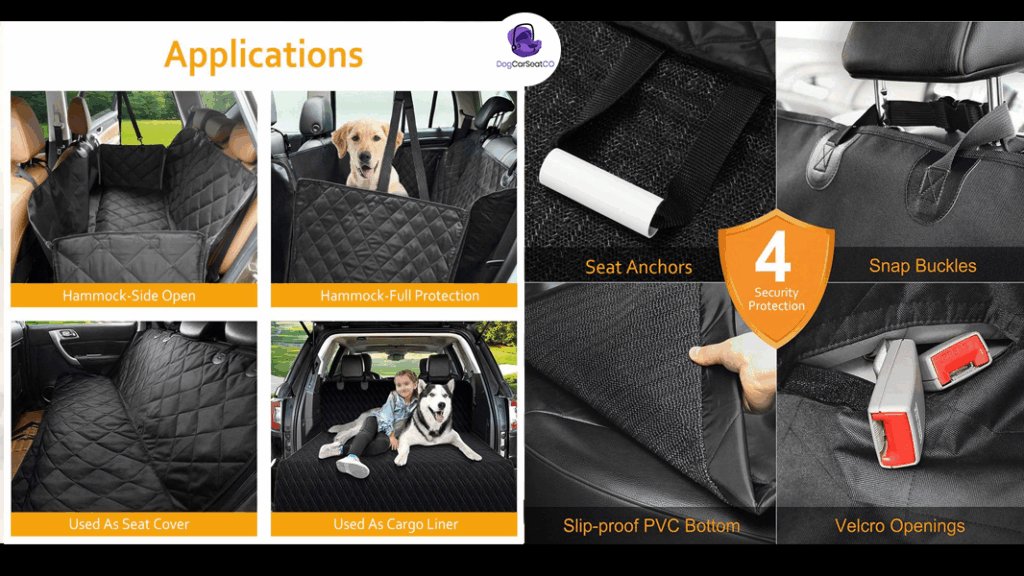
Before diving into installation, it’s worth understanding why a dedicated dog car seat is essential. Unlike letting your dog roam free or simply using a lead, these seats are designed to absorb impact forces and prevent your pet from being thrown about. Studies from organisations like the American Society for the Prevention of Cruelty to Animals (ASPCA) highlight that secured pets are far less likely to suffer trauma in accidents. Features such as harness attachments, non-slip bases, and padded interiors provide both comfort and protection. For a detailed guide on common installation mistakes to avoid, you can check out this helpful article. For instance, memory foam cushioning can reduce stress on joints during bumpy rides, while waterproof materials make clean-ups a breeze after muddy walks.
When selecting a seat, consider your dog’s size and breed. Small breeds under 20 kg might suit compact booster seats, while larger dogs need sturdier options with extender features. Always check for crash-tested certifications to ensure reliability.
Step-by-Step Guide to Installation
Installing a dog car seat correctly is straightforward if you follow these steps. Start by reading the manufacturer’s instructions thoroughly – each model may have unique features like adjustable straps or LATCH system compatibility.
- Position the Seat: Place the car seat in the back of your vehicle, ideally on the passenger side to avoid airbag risks in the front. Ensure it’s on a flat surface and not obstructed by other items.
- Secure the Base: Most seats have a non-slip bottom, but reinforce this by threading the car’s seatbelt through designated loops or using anchor clips. Pull the belt tight to prevent any wobbling – the seat should move no more than a couple of centimetres when tugged.
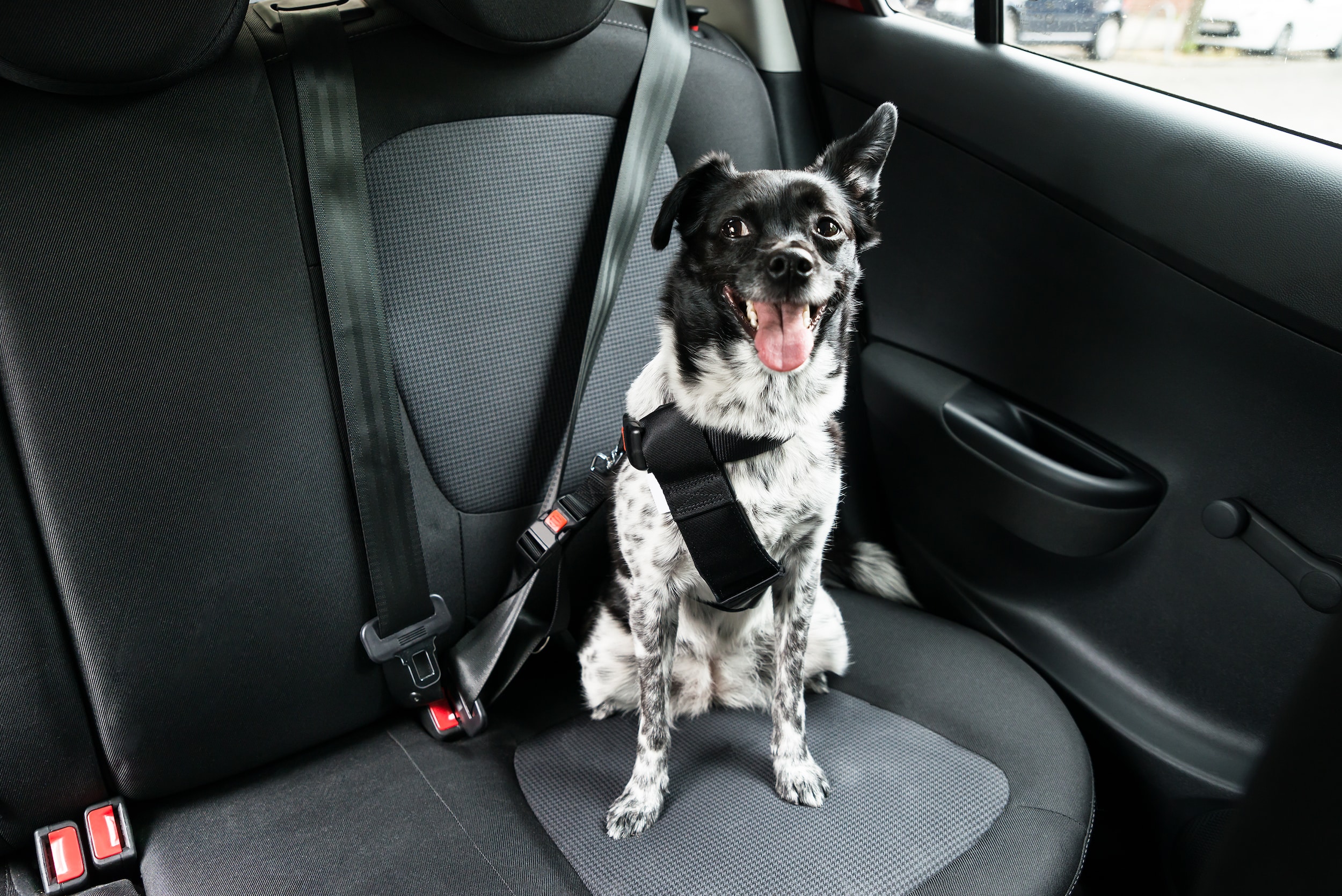
- Attach the Harness: Clip your dog’s harness (not collar) to the seat’s built-in tether. The harness should fit snugly; use the two-finger rule – you should be able to slip two fingers under the straps without them being too loose or tight.
- Adjust for Comfort: Add any cushions or liners, ensuring they’re firmly in place. Test by gently shaking the setup; if it’s stable, you’re good to go.
- Final Check: Before driving off, do a quick inspection: Is the seat locked in? Is your dog comfortable but restricted from jumping out? Perform this every time for peace of mind.
Following these steps can prevent issues like sliding during turns, which is a frequent complaint among pet owners.

Avoiding Common Installation Pitfalls
Even with the best intentions, errors can creep in. One frequent mistake is overlooking seatbelt alignment; if the openings don’t match your car’s buckles, the seat might shift unexpectedly. Another is using incompatible accessories, such as extending tethers that introduce slack and reduce effectiveness. Always opt for short, direct connections to maintain control.
Additionally, don’t ignore your dog’s behaviour – if they’re anxious, introduce the seat gradually at home before a real journey. Overlooking size mismatches is another pitfall; a seat too small can cause discomfort, while one too large allows excessive movement.
For more insights on steering clear of these errors, resources like pet safety blogs emphasise the importance of trial fittings.
Additional Safety Tips for Road Trips
Beyond installation, safe travel involves holistic preparation. Pack essentials like water, treats, and a first-aid kit tailored for pets. Schedule regular breaks every two hours for exercise and toilet stops to prevent restlessness. Use protective covers to shield your car’s upholstery from fur and scratches, and never leave your dog unattended in a vehicle, especially in warm weather.
Microchipping and up-to-date vaccinations add an extra layer of security in case of emergencies. For longer trips, consider a crate as an alternative to seats for very active dogs, ensuring it’s secured similarly.
Conclusion
Prioritising your dog’s safety in the car doesn’t have to be complicated. By choosing the right seat, installing it meticulously, and incorporating these tips, you can enjoy stress-free adventures together. Remember, a well-secured pet is a happy one. For a selection of reliable dog car seats in various sizes, complete with safety features like harness attachments and waterproof designs, explore options at Dog Car Seat Co.. Safe travels!