
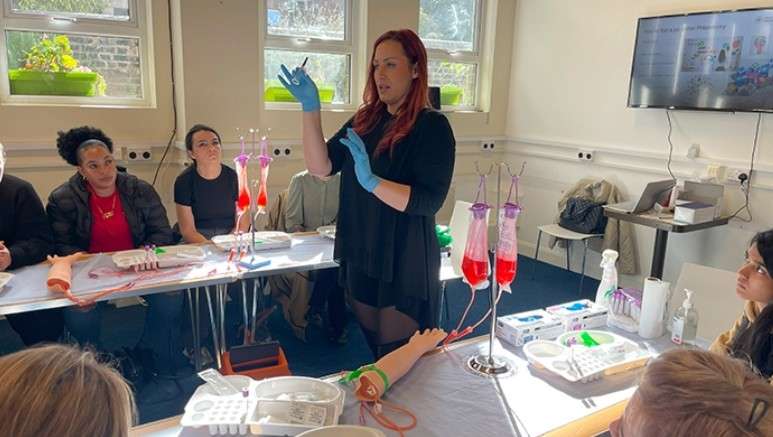

Have you ever struggled with difficult veins, anxiety‑prone patients, or complex blood draws and wished you had advanced skills that make you feel confident and professional every time? For medical professionals, honing advanced phlebotomy techniques isn’t just about proficiency; it’s about improving patient experience, reducing errors, and elevating clinical practice overall. This guide walks you through the most important concepts, practical methods, and career‑enhancing training options available, especially for those considering phlebotomy training courses in Birmingham and beyond.
Why Advanced Phlebotomy Skills Matter
Phlebotomy might look simple at first glance: poke a vein, draw blood, job done, but in real clinical settings, countless variables can make even an experienced healthcare worker pause. Advanced phlebotomy techniques help you to:
- Handle challenging blood draws, including small, fragile, deep, or rolling veins
- Manage anxiety, pain and distress in patients of all ages
- Reduce pre‑analytical errors that can compromise lab results
- Improve overall efficiency and confidence in your clinical performance
In environments such as busy hospital wards, outpatient clinics, or mobile health units, these skills are invaluable and contribute directly to better patient outcomes and safety.
Core Advanced Phlebotomy Techniques
1. Mastering Venous Anatomy and Palpation
Before any needle touches skin, understand the layout beneath it. Vein selection is foundational. Accurate palpation allows you to find veins that are:
- Appropriately sized
- Stable under pressure
- In a safe and accessible location
Experienced phlebotomists should know how to feel for veins that aren’t easily visible and understand how factors such as hydration level, body habitus, or age can affect vein quality.
2. Using the Right Equipment for Each Situation
Not all needles and tubes are created equal. For example:
- Butterfly needles are often better for small or mobile veins (e.g., elderly or paediatric patients).
- Vacuum tubes are excellent for routine blood collection.
- Syringe and needle systems can be helpful for very fragile veins that collapse easily.
Understanding equipment functions and how to choose the right one is key to advanced practice. Many advanced courses focus specifically on these decisions within clinical scenarios.
3. Optimised Tourniquet and Site Preparation
Proper application and timing of the tourniquet can make veins more accessible without causing discomfort or haemoconcentration. A quick release once the vein is accessed reduces:
- Pain
- Vein collapse
- Interference with test results
Pay attention to hygiene, disinfection protocols and patient positioning — small details that enhance success rates and safety.
4. Dynamic Response to Difficult Draws
Every clinician will encounter challenging venipunctures: tiny infants, dehydrated adults, or patients with needle phobia. Techniques that help include:
- Changing hand pressure or grip to feel the veins better
- Adjusting arm position to make veins more pronounced
- Using distraction or relaxation techniques for anxious patients
These tactical adjustments often come not just from theory but from practice and experience.