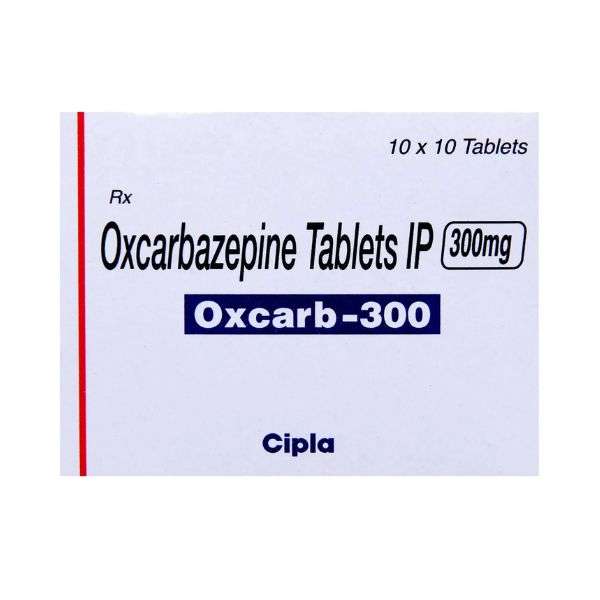

Oxcarb 300, which is also known as Oxcarbazepine 300 mg, is a widely prescribed anticonvulsant used to treat focal (partial-onset) seizures in people with epilepsy. This guide is mainly targeted in US and provides an in-depth look at how Oxcarb 300 is used medically, why it is prescribed, and what patients should understand before beginning treatment.
Epilepsy is a neurological disorder that causes recurrent seizures due to abnormal electrical activity in the brain. Among the different seizure types, focal seizures are the most common, beginning in one specific part of the brain but sometimes spreading to other regions. Because these seizures can interfere with awareness, movement, memory, and daily functioning, effective and consistent treatment is essential.
That’s where Oxcarb 300 comes in. It is a trusted option neurologists rely on to stabilize electrical brain activity and reduce seizure frequency — supporting both safety and long-term quality of life for patients.
In this detailed article, you’ll learn:
-
What Oxcarb 300 is and how it works
-
When and why doctors prescribe it
-
Its role in focal seizure control
-
Safety considerations and precautions
-
How it supports long-term epilepsy management
 Understanding Focal (Partial-Onset) Seizures
Before exploring Oxcarb 300, it helps to understand what focal seizures are.
 What Are Focal Seizures?
Focal seizures begin in one area of the brain. Depending on where they start, they can cause:
-
Jerking movements in part of the body
-
Sudden changes in awareness
-
Blank staring or unresponsiveness
-
Tingling sensations or visual changes
-
Emotional or behavioral shifts
-
Confusion after the episode
They are classified into:
-
Focal aware seizures (consciousness preserved)
-
Focal impaired awareness seizures (awareness affected)
In some cases, focal seizures may evolve into generalized seizures, spreading throughout the brain.
Because these seizures can occur unpredictably and affect work, driving, learning, and safety, ongoing medication therapy is often essential — and Oxcarb 300 is one of the key options.
 What Is Oxcarb 300?
Oxcarb 300 contains oxcarbazepine 300 mg, an antiepileptic (anticonvulsant) medication. It belongs to a category of drugs designed to reduce excessive electrical activity in the brain and prevent seizures.
Doctors may prescribe Oxcarb 300:
-
As monotherapy — used alone
-
As adjunct therapy — used with other seizure medications
It is commonly used for adults and older children, depending on clinical assessment.
Because it is often well-tolerated and effective, Oxcarb 300 is a standard part of many epilepsy treatment plans across the US.
 How Oxcarb 300 Works in the Brain
The brain sends signals through electrical impulses carried between neurons. In epilepsy, some neurons fire too rapidly and uncontrollably, triggering seizures.
Oxcarb 300 works by:
Blocking overactive sodium channels in nerve cells
Preventing hyperexcitable electrical discharges
Stabilizing brain signaling patterns
This reduces the likelihood of abnormal firing and helps prevent seizures from starting or spreading.
Unlike sedatives, Oxcarb 300 does not simply slow the brain down — instead, it helps restore a healthy balance of activity.
 Medical Indications for Oxcarb 300
Doctors prescribe Oxcarb 300 primarily for:
 Focal (Partial-Onset) Seizures
This includes:
-
Newly diagnosed epilepsy
-
Long-term seizure management
-
Patients who do not respond fully to other medications
-
Individuals needing combination therapy
It may also be used when:
-
A safer side-effect profile is preferred
-
Consistent seizure control is required
-
A strong, research-backed treatment is needed
Oxcarb 300 is not typically the first choice for generalized seizures, but doctors determine the best fit based on individual evaluation.
 Why Oxcarb 300 Is Commonly Prescribed in the US
In US neurology and epilepsy care, Oxcarb 300 is widely trusted because:
 It has strong evidence supporting seizure control
 It is effective for focal seizures
 Many patients tolerate it well
 It can be tailored to individual treatment needs
 It fits both monotherapy and adjunct therapy plans
Doctors also appreciate that it has been studied extensively and is part of evidence-based epilepsy treatment guidelines.
 Benefits of Oxcarb 300 for Focal Seizures
Patients using Oxcarb 300 may experience several key benefits, including:
 Reduced Seizure Frequency
This is the core goal of treatment — fewer seizures mean greater safety and independence.
 Improved Quality of Life
Better seizure control supports:
-
Work and school participation
-
Social confidence
-
Driving eligibility (depending on seizure-free periods and laws)
-
Mental well-being
 Long-Term Neurological Stability
Regular use under medical guidance helps maintain consistent brain activity regulation.
 Flexible Use
It can be prescribed alone or alongside other antiepileptic medications, depending on need.
 Oxcarb 300 in US Clinical Practice
In the United States, epilepsy treatment typically includes:
 Regular neurology visits
 Seizure diary tracking
 Periodic medical monitoring
 Medication tolerance discussions
Oxcarb 300 often forms part of a structured seizure management plan, designed around the patient’s lifestyle, medical history, and seizure characteristics.
 Safety & Precautions
While Oxcarb 300 is generally safe when used correctly, patients should be aware of potential side effects and precautions.
Common Side Effects May Include:
-
Drowsiness or fatigue
-
Nausea or stomach discomfort
-
Dizziness
-
Headache
-
Blurred or double vision
Less Common but Important Risks:
-
Low sodium levels (hyponatremia)
-
Severe skin reactions (rare)
-
Mood or behavioral changes
Seek medical attention urgently for:
 Rash or swelling
 Severe dizziness or fainting
 Confusion
 Breathing difficulty
 Worsening mood or suicidal thoughts
Never stop Oxcarb 300 suddenly — abrupt withdrawal may trigger severe seizures.
Always inform your doctor about:
 Other medications
 Pregnancy or breastfeeding
 Kidney or liver conditions
 History of allergic reactions
 Monitoring During Treatment
Doctors may recommend:
 Periodic blood tests
 Seizure activity review
 Side-effect assessments
This ensures treatment remains safe, effective, and personalized.
 Oxcarb 300 vs Other Antiepileptic Drugs
Oxcarb 300 is often chosen when:
 A reliable focal seizure medication is needed
 Patients have side effects with other drugs
 Combination therapy is required
However, treatment is highly individualized. What works best varies from patient to patient.
 Impact on Daily Life
For many people, seizure control with Oxcarb 300 means:
 Better productivity
 Safer daily routines
 Greater independence
 Improved mental well-being
This highlights the broader role of medication — supporting life beyond just seizure management.
 Key Takeaways
Oxcarb 300 (Oxcarbazepine 300 mg) is a trusted anticonvulsant for focal seizures
 It stabilizes abnormal brain electrical activity
 It can be used alone or with other medication
 It plays a major role in long-term epilepsy management
 Safety monitoring is important
 It is widely used in US epilepsy care
 Frequently Asked Questions (FAQs)
1. What is Oxcarb 300 used for?
It is used to treat partial-onset (focal) seizures in epilepsy.
2. Is Oxcarb 300 the same as Oxcarbazepine 300 mg?
Yes — Oxcarb 300 contains oxcarbazepine 300 mg.
3. Can Oxcarb 300 cure epilepsy?
No, but it helps control seizures and supports long-term management.
4. Is Oxcarb 300 commonly used in the US?
Yes — it is widely prescribed in US neurology practice.
5. Can I stop taking Oxcarb 300 suddenly?
No — doing so may trigger severe seizures. Always consult your doctor.
6. Does Oxcarb 300 cause drowsiness?
Some people experience drowsiness, especially when starting treatment.
7. Is Oxcarb 300 safe for children?
It may be prescribed for children depending on age and condition, under specialist supervision.
 Final Thoughts
Oxcarb 300 (Oxcarbazepine 300 mg) plays a central role in managing focal seizures in epilepsy. By stabilizing abnormal brain activity, it helps reduce seizure episodes and supports safer, more stable daily living. When used responsibly under proper supervision — along with regular follow-ups and lifestyle awareness — many patients benefit from consistent seizure control and improved quality of life.