
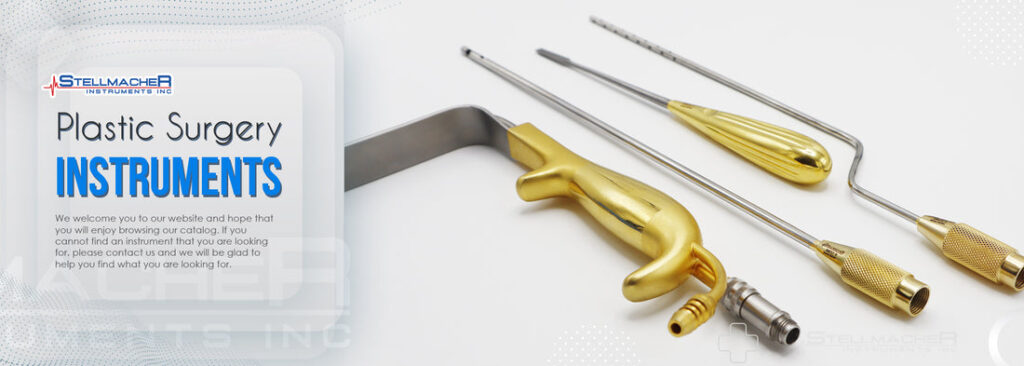

In healthcare, the quality of the equipment used is just as important as the expertise of the professionals providing care. Surgical instruments, diagnostic tools, patient care equipment, and consumables are critical in ensuring the safety, comfort, and health of patients. For healthcare facilities, finding a reliable surgical supply store and medical equipment shop that offers quality assurance is paramount.
This article explores the key factors to look for when choosing a supplier to guarantee that your practice gets high-quality, reliable, and compliant equipment.
1. Certifications and Regulatory Compliance:
One of the most important aspects of quality assurance is ensuring that the products you purchase meet regulatory standards and certifications. Medical equipment is subject to strict regulations to ensure safety and effectiveness. Trusted surgical supply stores and medical equipment shops should provide products that comply with local and international standards. Key certifications to look for include:
- FDA Approval: For products in the U.S., FDA approval is crucial. It ensures that the equipment has undergone rigorous testing and meets safety, efficacy, and performance standards.
- CE Marking: In Europe, the CE mark indicates that the product meets European Union health, safety, and environmental protection standards.
- ISO Certification: The International Organization for Standardization sets quality management standards for medical devices. ISO 13485 certification indicates that the manufacturer adheres to global quality management standards for medical devices.
- Health Canada Compliance: Similar to FDA approval, products that comply with Health Canada regulations meet the health and safety standards required for medical equipment in Canada.
Make sure that the surgical supply store or medical equipment shop you choose offers products with these certifications, as it is a strong indicator of quality and safety.
2. Product Quality and Durability:
When investing in surgical tools and medical equipment, you need products that are reliable, durable, and able to withstand the rigors of daily use. High-quality products ensure patient safety and reduce the risk of complications or failures. To assess product quality:
- Materials Used: Surgical instruments, for example, should be made from corrosion-resistant, high-grade materials like stainless steel. Diagnostic tools and patient care equipment should be constructed using durable, high-performance materials.
- Brand Reputation: Choose products from well-known, established brands with a history of providing high-quality medical equipment. Reputable brands are more likely to use reliable materials and manufacturing processes.
- Manufacturer Information: Trusted suppliers provide detailed information about the manufacturer, including where and how the products are made. Transparent manufacturing processes help ensure product quality.
Checking the durability of the products and the materials used will help you ensure that the equipment is built to last and perform consistently in a medical setting.
3. Warranty and Return Policies:
A reputable surgical supply store or medical equipment shop should stand behind its products by offering warranties and return policies that reflect their commitment to quality. Warranties ensure that you can get assistance if a product malfunctions or has defects. Look for:
- Warranty Duration: A longer warranty period shows confidence in the product’s quality. Most quality equipment will come with a warranty that covers defects in materials or workmanship.
- Repair and Replacement Options: Check whether the store provides repair or replacement options in case of faulty products. A reliable supplier should offer timely and efficient services.
- Return and Exchange Policy: A trustworthy store will offer a clear and straightforward return policy for products that do not meet expectations. This gives you peace of mind, knowing that you can easily exchange or return equipment if needed.
Having strong warranty and return policies is essential for quality assurance, as it gives you a backup plan in case of equipment failure.
4. Customer Reviews and Testimonials:
One of the best ways to evaluate the quality of a surgical supply store or medical equipment shop is by reading customer reviews and testimonials. These reviews often provide valuable insight into the experiences of other healthcare professionals who have purchased from the same supplier. Look for:
- Positive Feedback on Product Performance: Customers should mention how well the products perform and whether they meet their intended purpose. Look for testimonials that highlight the durability, ease of use, and accuracy of the equipment.
- Customer Support: Pay attention to reviews that mention the store’s customer service. Excellent customer support is a key indicator of a reliable supplier.
- Reputation in the Industry: Trusted suppliers often have a long-standing reputation in the medical community. Look for reviews or testimonials from hospitals, clinics, or healthcare professionals who have been using the store for years.
By checking reviews and testimonials, you can gain valuable insight into the supplier’s quality assurance practices and their level of customer satisfaction.
5. Product Testing and Inspection:
Top-quality surgical and medical equipment must be thoroughly tested to ensure that it functions as intended and meets the necessary safety standards. A trusted supplier will conduct extensive testing before products reach the market. Here are some things to look for in product testing:
- Pre-Sale Testing: Ensure that the supplier tests each product before it is shipped out. For surgical instruments, this might include sharpness tests, functionality tests for electronic devices, or calibration for diagnostic equipment.
- Quality Control Processes: Trusted suppliers will have strict quality control processes in place during manufacturing, including inspections for defects, product functionality, and packaging integrity.
- Third-Party Testing: Some suppliers may have their products tested by independent third parties, such as laboratories or accreditation bodies. This provides additional validation of the product\’s quality and compliance.
Make sure to inquire about the testing and inspection processes that the supplier follows to ensure their products meet the required standards of quality.
6. Training and Support Services:
Some medical equipment, especially complex diagnostic or surgical devices, may require specialized training. A trusted surgical supply store or medical equipment shop will often provide product training, manuals, and ongoing support to ensure that healthcare professionals can use the equipment safely and effectively. Look for:
- Training Programs: A quality supplier will offer comprehensive training on how to use medical equipment, including troubleshooting, maintenance, and safety protocols.
- Technical Support: Reliable technical support is essential for resolving issues with complex medical devices. Ensure that the store offers customer support to assist with setup, troubleshooting, and repairs.
- User Manuals and Documentation: Detailed user manuals, operation guides, and technical documentation are essential for ensuring that equipment is used properly. Look for stores that provide these resources with their products.
Training and support services are key components of quality assurance, ensuring that you and your staff are equipped to operate the equipment properly and maintain its functionality.
7. Transparency in Product Information:
Transparency is another important factor in quality assurance. A trusted supplier will provide clear and comprehensive product information, including:
- Detailed Descriptions: The store should provide complete information about the equipment’s features, specifications, and intended use.
- Clear Labeling: All products should be properly labeled with relevant information, including serial numbers, manufacturing dates, and usage instructions.
- Product Documentation: Suppliers should offer clear, accessible product documentation, such as certificates of conformity, test reports, and maintenance schedules.
Transparency in product information allows healthcare professionals to make well-informed decisions about the equipment they purchase.
Conclusion:
When it comes to purchasing surgical supplies and medical equipment, quality assurance is paramount. By choosing a trusted surgical supply store and medical equipment shop that offers certified, durable, and well-tested products, along with excellent customer support and warranty options, you ensure that your practice is equipped with the best tools to deliver quality patient care. Always prioritize regulatory compliance, product testing, and transparent communication when selecting your suppliers to maintain high standards of care and safeguard patient safety.
for more click here