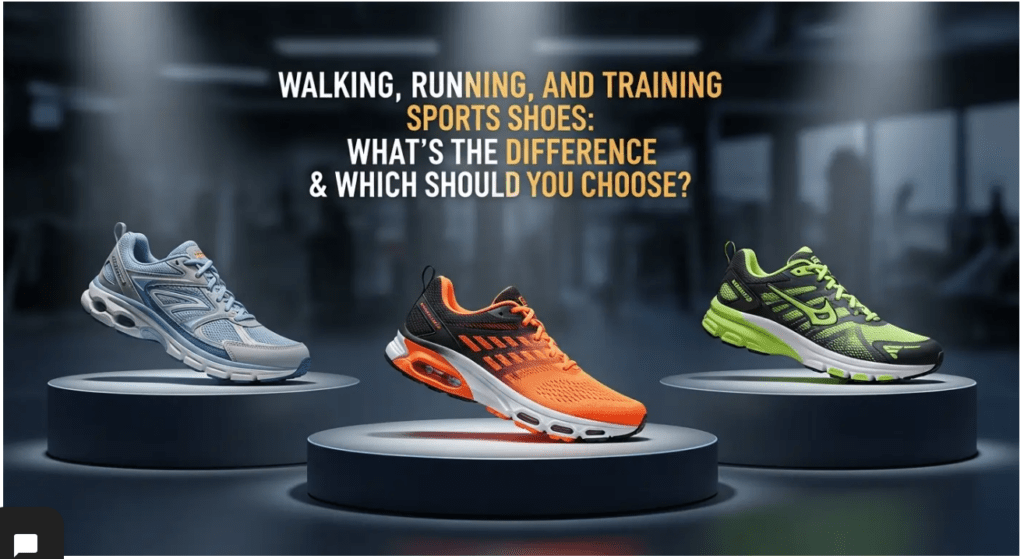


Choosing the right pair of shoes for walking, running, or training can make a world of difference in your performance, comfort, and even injury prevention. While walking, running, and training shoes may seem interchangeable to the untrained eye, each type is specifically designed to cater to different movements and activities. If you’re tired of picking up the wrong pair or simply confused by all the options available, you’re not alone.
In this article, I’m going to guide you through the key differences between walking, running, and training shoes. I’ll provide insights based on my own experience with these shoes as well as expert opinions to help you make the right choice for your specific needs. Whether you’re a casual walker, a dedicated runner, or a gym enthusiast, understanding which shoe is right for your activity is essential.
What Are Walking Shoes?

Walking shoes are specifically designed to provide comfort, support, and cushioning for individuals who walk regularly. These shoes are built with a primary focus on low-impact activity and forward motion, making them ideal for casual walks, errands, or even light hiking.
Key Features of Walking Shoes:
- Lightweight Design
Walking shoes are built for comfort and support without unnecessary weight. Unlike running shoes, they don’t need to be as heavy-duty in terms of cushioning, so manufacturers prioritize lightweight materials to keep the shoe flexible and easy to wear for long periods. - Flexible Soles
A key feature of walking shoes is their flexible soles. Walking involves a natural, repetitive heel-to-toe movement, and the shoe’s sole needs to bend with your foot. Walking shoes have a flexible midsole that allows your foot to flex naturally as you walk. - Moderate Cushioning
The cushioning in walking shoes is designed to provide comfort for your foot as it strikes the ground. It’s not as thick or soft as running shoe cushioning because walking doesn’t generate as much impact. However, the cushioning is still crucial for maintaining comfort and preventing foot fatigue. - Arch Support
Walking shoes often provide moderate arch support, which is essential for maintaining proper alignment and preventing foot strain. Proper arch support is especially important for individuals with flat feet or those who have higher arches, as it helps distribute the pressure evenly across the foot. - Breathable Materials
Many walking shoes are made from breathable mesh materials to keep your feet cool and dry throughout the day. This is important, especially if you’re walking for an extended period or during warm weather.
Ideal Use:
Walking shoes are designed for leisurely walks, daily errands, and short hikes on flat terrain. They’re perfect for those who don’t engage in strenuous physical activities but still need a comfortable and supportive shoe for everyday use.
What Are Running Shoes?

Running shoes are specifically designed for the high-impact activity of running. These shoes are built to offer shock absorption, forward propulsion, and flexibility to handle the repeated impact of running on hard surfaces. Whether you’re training for a marathon or just running for fitness, these shoes are designed to protect your joints and provide you with the support you need.
Key Features of Running Shoes:
- Advanced Cushioning for Impact Absorption
One of the key features of running shoes is their extra cushioning. Since running creates a repetitive pounding impact on hard surfaces, running shoes are designed to absorb shock and reduce the impact on your joints, especially the knees and ankles. This cushioning typically resides in the midsole and is made from various foam materials like EVA or memory foam. - Heel-to-Toe Drop for Forward Momentum
Running shoes feature a heel-to-toe drop, which is the difference in height between the heel and the forefoot. This drop encourages forward motion and helps propel you forward with each step. It allows for a smooth transition from the heel strike to the toe-off phase of your running gait. - Increased Flexibility and Stability
Running shoes are built with more flexibility in the forefoot compared to walking shoes. This allows for a natural push-off with every stride. Additionally, some running shoes are designed with added stability features to prevent your foot from rolling inward (pronation) or outward (supination) during the running gait. - Breathability and Moisture-Wicking
Running generates a lot of body heat, so running shoes are typically made with breathable mesh uppers to allow for air circulation. These shoes often include moisture-wicking lining to keep your feet dry and prevent blisters from forming during long runs. - Grip and Traction
The outsole of running shoes is designed for optimal traction, especially on hard surfaces like concrete or asphalt. This helps reduce the risk of slipping, particularly when running in wet conditions.
Ideal Use:
Running shoes are built for distance running, sprinting, and high-impact workouts. They’re perfect for long-distance runners, athletes training for races, and anyone engaging in high-impact activity that requires a shoe designed to cushion and propel.
What Are Training Shoes?

Now that we’ve covered the individual shoe types, let’s take a look at how they differ:
Feature | Walking Shoes | Running Shoes | Training Shoes |
Cushioning | Moderate | High (for shock absorption) | Minimal (for stability) |
Sole Flexibility | High (flexible for walking gait) | Moderate (focus on propulsion) | Low (designed for stability) |
Heel-to-Toe Drop | Low (flat sole) | Moderate (encourages forward motion) | Low (flat sole) |
Fit & Comfort | High comfort for extended wear | High comfort for repetitive impact | Stability and durability |
Primary Use | Walking, hiking, casual wear | Long-distance running, sprinting | Gym workouts, weightlifting, HIIT |
Support | Moderate arch support | High arch support, motion control | Lateral and medial support |
Which Shoe Is Best for You?
Choosing the right shoe depends entirely on your personal fitness goals and activities:
- Walking Shoes: Perfect for those who engage in casual walks or daily errands. These shoes prioritize comfort, lightweight design, and breathability.
- Running Shoes: Ideal for runners who engage in high-impact activities and need shock absorption for long-distance or intense running sessions.
- Training Shoes: Best suited for individuals who engage in a variety of gym activities or cross-training, offering stability, support, and durability for dynamic movements.
Common Mistakes to Avoid When Choosing Shoes
- Choosing Based on Looks
It’s tempting to buy a shoe that looks stylish, but it’s essential to focus on comfort and functionality. A good pair of shoes will enhance your performance and protect your feet from injury. - Ignoring Proper Fit
If a shoe doesn’t fit correctly, it will lead to discomfort, blisters, and potential long-term foot problems. Always ensure you try shoes on before purchasing, considering your arch type and foot width. - Using Running Shoes for Walking or Training
Running shoes are designed for forward motion and shock absorption, while walking and training shoes provide different types of support. Using them interchangeably can lead to discomfort or injury.
Conclusion
Choosing the right shoe can be the difference between a great workout and an uncomfortable one. Understanding the specific purpose and design features of walking, running, and training shoes will help you make the best decision for your needs. Whether you walk for fitness, run marathons, or hit the gym, always prioritize comfort, fit, and support to ensure you stay injury-free and perform at your best.
FAQs
- Can I use running shoes for walking?
Yes, running shoes can be used for walking, but they are specifically designed for high-impact activities, so they might not offer the same level of flexibility needed for walking. Walking shoes are a better option for long-distance or daily walking. - How long do sports shoes last?
The lifespan of sports shoes depends on how often they’re used. Generally, running shoes last about 300-500 miles, while walking and training shoes may last a bit longer, depending on use.
3. Can I use training shoes for running?
Training shoes are not ideal for running long distances due to the lack of sufficient cushioning. If you run regularly, investing in proper running shoes is highly recommended.

Now that we’ve covered the individual shoe types, let’s take a look at how they differ:
Feature | Walking Shoes | Running Shoes | Training Shoes |
Cushioning | Moderate | High (for shock absorption) | Minimal (for stability) |
Sole Flexibility | High (flexible for walking gait) | Moderate (focus on propulsion) | Low (designed for stability) |
Heel-to-Toe Drop | Low (flat sole) | Moderate (encourages forward motion) | Low (flat sole) |
Fit & Comfort | High comfort for extended wear | High comfort for repetitive impact | Stability and durability |
Primary Use | Walking, hiking, casual wear | Long-distance running, sprinting | Gym workouts, weightlifting, HIIT |
Support | Moderate arch support | High arch support, motion control | Lateral and medial support |
Which Shoe Is Best for You?
Choosing the right shoe depends entirely on your personal fitness goals and activities:
- Walking Shoes: Perfect for those who engage in casual walks or daily errands. These shoes prioritize comfort, lightweight design, and breathability.
- Running Shoes: Ideal for runners who engage in high-impact activities and need shock absorption for long-distance or intense running sessions.
- Training Shoes: Best suited for individuals who engage in a variety of gym activities or cross-training, offering stability, support, and durability for dynamic movements.
Common Mistakes to Avoid When Choosing Shoes
- Choosing Based on Looks
It’s tempting to buy a shoe that looks stylish, but it’s essential to focus on comfort and functionality. A good pair of shoes will enhance your performance and protect your feet from injury. - Ignoring Proper Fit
If a shoe doesn’t fit correctly, it will lead to discomfort, blisters, and potential long-term foot problems. Always ensure you try shoes on before purchasing, considering your arch type and foot width. - Using Running Shoes for Walking or Training
Running shoes are designed for forward motion and shock absorption, while walking and training shoes provide different types of support. Using them interchangeably can lead to discomfort or injury.
Conclusion
Choosing the right shoe can be the difference between a great workout and an uncomfortable one. Understanding the specific purpose and design features of walking, running, and training shoes will help you make the best decision for your needs. Whether you walk for fitness, run marathons, or hit the gym, always prioritize comfort, fit, and support to ensure you stay injury-free and perform at your best.
FAQs
- Can I use running shoes for walking?
Yes, running shoes can be used for walking, but they are specifically designed for high-impact activities, so they might not offer the same level of flexibility needed for walking. Walking shoes are a better option for long-distance or daily walking. - How long do sports shoes last?
The lifespan of sports shoes depends on how often they’re used. Generally, running shoes last about 300-500 miles, while walking and training shoes may last a bit longer, depending on use.
3. Can I use training shoes for running?
Training shoes are not ideal for running long distances due to the lack of sufficient cushioning. If you run regularly, investing in proper running shoes is highly recommended.