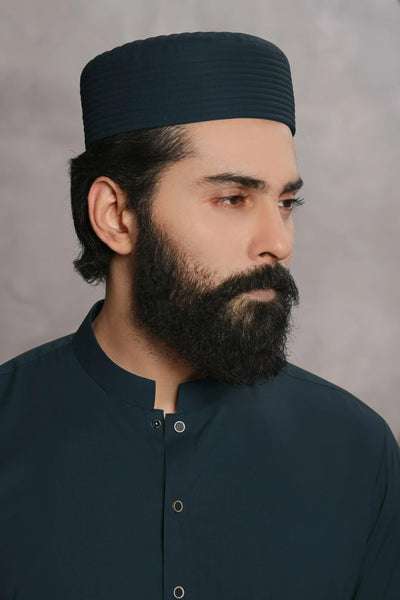

In the quiet moments before prayer, when the world slows down and the heart prepares to connect with Allah, even the smallest details begin to matter. One such detail is the cap for namaz, often called a topi or kufi. Simple in appearance, yet meaningful in purpose, this small piece of clothing carries deep spiritual and cultural significance.
For many Muslim men, wearing a cap during namaz is not just a habit it is a gesture of respect, humility, and devotion.
A Sign of Respect in Worship
Prayer is a sacred conversation between a believer and the Creator. Just as we dress appropriately for important meetings in life, many Muslims choose to cover their heads during prayer as a sign of respect. While wearing a cap for namaz is not compulsory in Islam, it is widely practiced as a Sunnah-inspired tradition and a way to present oneself modestly before Allah.
The cap becomes a reminder that prayer is special. It signals that this moment is different from daily routine it is a time of focus, sincerity, and spiritual connection.
Comfort and Simplicity
One of the beautiful aspects of a namaz cap is its simplicity. It is light, comfortable, and easy to wear. Whether made from soft cotton, knitted fabric, or embroidered material, it rests gently on the head without causing discomfort.
In warm climates, breathable cotton caps are especially popular because they allow airflow during long prayers. In colder seasons, slightly thicker materials provide warmth while maintaining elegance.
Its design is simple, yet it completes the spiritual look of traditional attire like shalwar kameez or thobe.
Cultural Identity and Tradition
Across different regions, prayer caps come in various styles. In South Asia, white crochet topis are common. In the Middle East, kufi caps may feature subtle embroidery or unique stitching patterns. In Africa and Turkey, you’ll find beautifully designed caps that reflect local artistry.
Despite these differences, the purpose remains the same modesty and devotion.
For many families, wearing a cap during namaz is taught from childhood. Young boys often feel proud wearing their first prayer cap to the mosque, feeling connected to a larger community of worshippers.
A Companion for Daily Prayers
Whether it’s the peaceful Fajr prayer at dawn or the quiet Isha prayer at night, a namaz cap often becomes a daily companion. It may sit folded neatly in a pocket, placed beside the prayer mat, or kept in the car for convenience.
Its presence adds a sense of preparation. When you put it on, it mentally shifts you into prayer mode reminding you to slow down, focus, and disconnect from worldly distractions.
Elegance in Simplicity
Though simple, prayer caps come in a range of designs:
-
Plain white caps for a clean, classic look
-
Lightly embroidered caps for special occasions
-
Knitted styles for daily use
-
Premium fabric caps for Eid and gatherings
For Friday prayers or Eid, many prefer wearing a fresh, crisp cap that complements their outfit. It adds a touch of dignity without being flashy.
More Than Just an Accessory
A cap for namaz is not about fashion. It is about intention. It reflects humility and the desire to present oneself respectfully before Allah. Even though it is a small garment, it carries spiritual meaning.
Some people wear it only during prayer. Others choose to keep it on throughout the day as an expression of faith. Either way, it represents devotion in a subtle yet powerful way.
Teaching the Next Generation
One of the most heartwarming sights in a mosque is seeing a father adjusting his son’s prayer cap before salah begins. It is more than a practical gesture it is a moment of guidance, love, and shared faith.
Through small traditions like wearing a cap for namaz, values are passed from one generation to the next.
Final Thoughts
The cap for namaz may be small in size, but its meaning is profound. It symbolizes respect, humility, and readiness to stand before the Creator. In a world filled with distractions, it gently reminds us of our spiritual identity.
for more click here