

Money plants are among the most popular houseplants across the world—and for good reason. They are easy to grow, visually appealing, and often associated with prosperity, positivity, and good luck. However, many people don’t realize that money plants are not all the same. Different varieties vary widely in leaf shape, color patterns, and growth habits, making each type unique in its own way.
In this detailed guide, we’ll explore how money plant types differ in shape, color, and growth, helping you choose the right variety for your home, office, or garden.
Understanding the Money Plant Family
The term money plant is commonly used for several plant species, especially those belonging to the Epipremnum, Pothos, Crassula, and Peperomia groups. While they are grouped under one common name, their appearance and growth patterns can be very different.
Understanding these differences is essential if you want a plant that matches your space, light conditions, and maintenance preferences.
Differences in Leaf Shape
1. Heart-Shaped Leaves
The most commonly recognized money plant varieties have heart-shaped leaves. These leaves symbolize love, harmony, and prosperity, which is why they’re often used in homes and offices.
Heart-shaped money plants usually:
Grow as climbers or trailers
Look lush when grown in hanging baskets
Are ideal for indoor decoration
These shapes are especially popular in traditional money plant varieties used for vastu and feng shui purposes.
2. Oval and Rounded Leaves
Some money plant varieties feature rounded or oval-shaped leaves, giving them a softer and more compact look. These plants often grow more slowly and maintain a bushier appearance.
Key characteristics:
Thicker leaves
Compact growth
Minimal trailing
These shapes are commonly found in jade-type money plants and are perfect for tabletops or office desks.
3. Elongated or Pointed Leaves
Certain modern or hybrid varieties display elongated or pointed leaves, creating a sleek and contemporary look. These plants are popular in modern interiors and minimalist spaces.
They typically:
Grow faster than round-leaf varieties
Require pruning to maintain shape
Look stunning in vertical gardens
Differences in Leaf Color
1. Solid Green Money Plants
Solid green varieties are the most resilient and beginner-friendly. They contain higher chlorophyll levels, allowing them to survive in low-light conditions.
Advantages include:
Faster growth
Better tolerance to shade
Lower maintenance
These are ideal if you want a low-effort indoor money plant that thrives almost anywhere.
2. Variegated Green & White Leaves
Variegated money plants have white, cream, or light green patterns mixed with green. These patterns make the plant visually striking but also slightly more demanding.
Important things to know:
Require brighter indirect light
Grow slower than solid green types
Lose variegation in low light
Despite the care needs, these are among the most decorative types of money plant available.
3. Golden and Yellow-Toned Leaves
Golden money plants display yellow or golden streaks, especially when exposed to bright light. These varieties are extremely popular in homes and offices.
Why people love them:
Brightens up interiors
Symbolizes wealth and positivity
Easy to propagate
Golden tones intensify with proper lighting, making them perfect for living rooms and balconies.
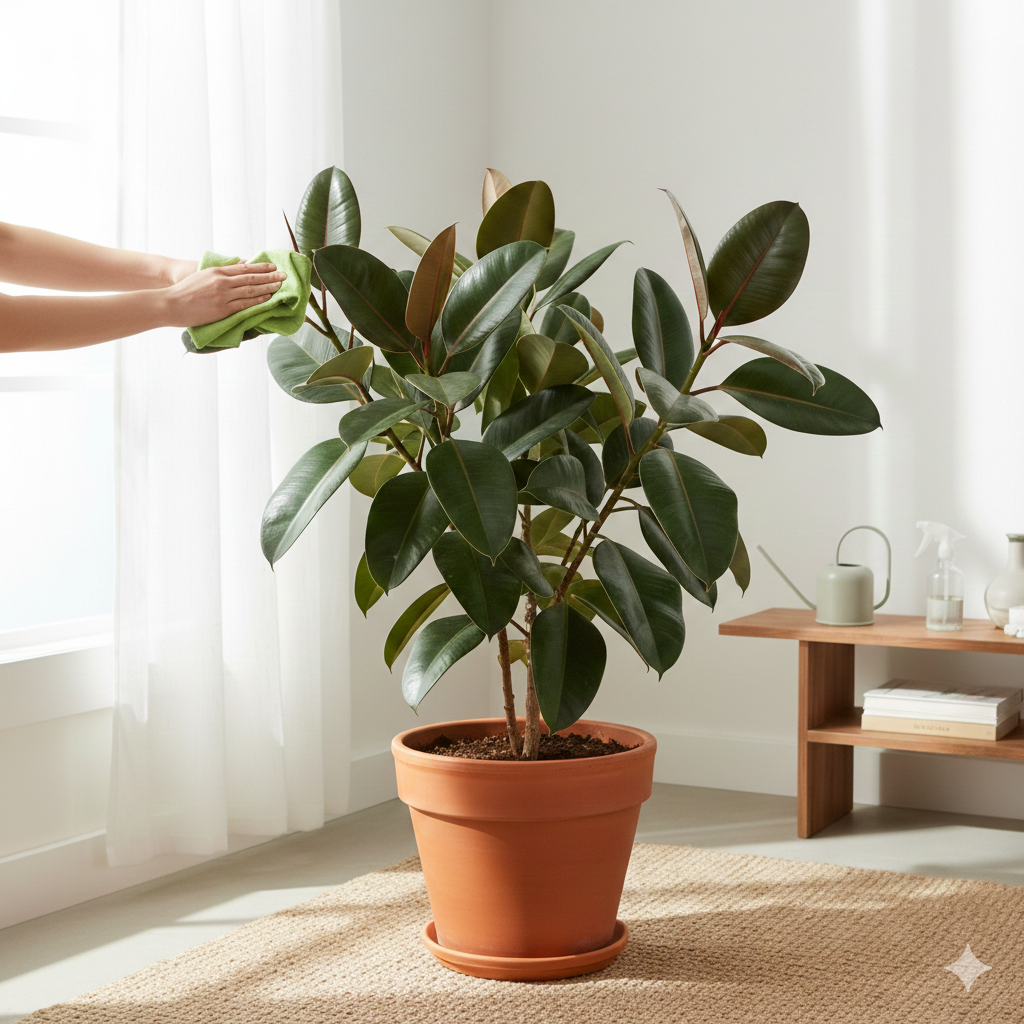
4. Dark Green or Glossy Leaves
Some money plants feature deep green, glossy leaves that give a luxurious and premium look. These varieties often have thicker foliage and a more structured appearance.
They are known for:
Slower but steady growth
Strong stems
Excellent indoor air-purifying qualities
Differences in Growth Patterns
1. Trailing Money Plants
Trailing or hanging money plants are among the most common types. They grow long vines that cascade beautifully from pots or shelves.
Growth traits:
Rapid vine development
Easy propagation from cuttings
Suitable for hanging baskets
These varieties are perfect for adding greenery to balconies and window areas.
2. Climbing Money Plants
Climbing money plants grow upward with the support of moss sticks, trellises, or walls. Their leaves often grow larger when allowed to climb.
Key features:
Vertical growth
Larger leaf size
Ideal for indoor corners
This growth style makes them a favorite choice for decorative indoor gardening.
3. Bushy or Upright Growth
Some money plant varieties grow in a compact, upright form instead of trailing. These are often used as tabletop plants or office décor.
Benefits:
Minimal pruning needed
Neat and structured appearance
Suitable for small spaces
They are excellent if you prefer tidy plants over trailing vines.
Growth Speed Comparison
Different money plant types also vary in how fast they grow:
Fast-growing types: Golden money plant, green pothos
Moderate growth: Variegated money plants
Slow-growing types: Jade money plant varieties
Growth speed depends heavily on light, watering, and nutrient availability.
Indoor vs Outdoor Growth Differences
Money plants adapt well to both indoor and outdoor environments, but their shape and color can change depending on where they are grown.
Indoors: Smaller leaves, controlled growth
Outdoors: Larger leaves, faster spread
Outdoor plants often appear more vibrant, while indoor plants are easier to manage.
Choosing the Right Variety for Your Space
When selecting a money plant, consider:
Available light
Space size
Maintenance level
Decorative preference
For beginners, solid green trailing varieties are best. For décor lovers, variegated or golden types are ideal.
If your goal is aesthetics plus symbolism, choosing the right types of money plant can make a noticeable difference in your home environment.
Care Tips to Maintain Shape & Color
To keep your money plant healthy:
Provide bright, indirect sunlight
Water only when the topsoil is dry
Prune regularly for shape control
Clean leaves to maintain color vibrancy
Good care enhances leaf shape, improves color contrast, and supports balanced growth.
Final Thoughts
Money plants may share a common name, but their differences in shape, color, and growth make each variety special. Whether you love trailing vines, bushy plants, or bold variegated leaves, there’s a money plant type that perfectly suits your lifestyle and space.
By understanding these variations, you can make a smarter choice, enjoy better plant health, and create a greener, more positive environment.