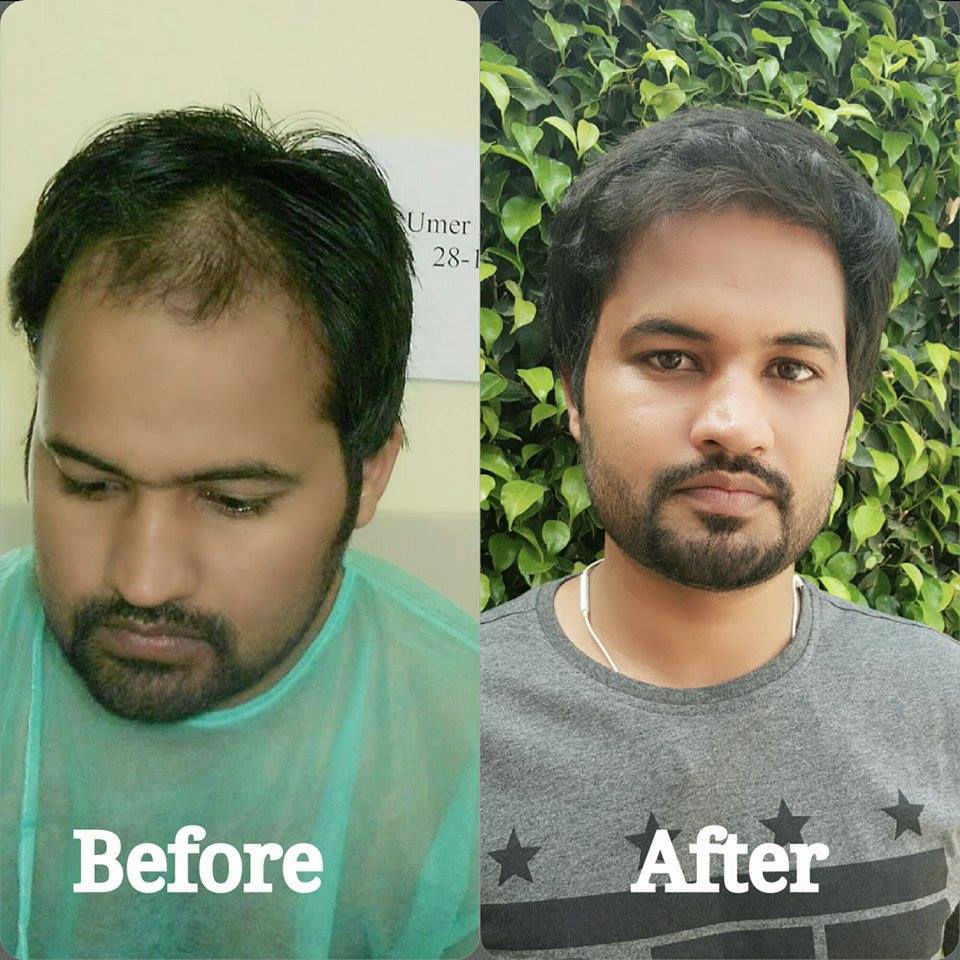

Hair fall has become one of the most common worries in Pakistan today. Young people and adults are visiting dermatologists with the same problem: My hair keeps falling every day and nothing is stopping it.
This is where many doctors suggest Platelet-Rich Plasma therapy most commonly known as PRP. But before you start the treatment a simple question matters: Can PRP actually slow down ongoing hair fall?
To answer this clearly we need to understand what PRP is and what science says who benefits the most and what you should know before spending money on it – especially when people are searching PRP cost for hair treatment and trying to find real and honest guidance.
What is PRP ? Explained Simply
PRP is a treatment where doctors take a small amount of your blood, spin it in a special machine and separate the part that contains a high amount of platelets. These platelets are rich in growth factors, which help repair tissues and support healing.
According to the Cleveland Clinic (2024) platelets release proteins that trigger repair signals in the body and support cell growth. When this platelet-rich plasma is injected into your scalp, it can help weak hair follicles function better.
Doctors use PRP for early-stage hair thinning, stress-linked shedding, postpartum hair fall and androgenetic alopecia (genetic hair loss). Since it uses your own blood it is considered safe and minimally invasive.
What Research Says: Can PRP Slow Hair Fall?
There is scientific evidence supporting PRP for hair loss but results depend on the stage of hair fall and hair follicle health.
Reliable studies show:
A study published in the Journal of Cutaneous and Aesthetic Surgery (2014) found that PRP led to a significant reduction in hair fall within the first few sessions and an improvement in hair thickness.
A 2022 review in Dermatologic Therapy reported:
- PRP increased hair density
- PRP improved hair thickness
- Patients showed reduced shedding within months
Another study from PubMed Central (2019) showed that PRP increased the number of hairs per square centimeter by up to 30–40% in many patients after several sessions.
These results show that PRP does not stop hair fall instantly but it can slow down ongoing shedding by strengthening weakened follicles, improving blood flow and extending the growth phase of the hair cycle.
PRP Works Best When Hair Follicles Are Still Alive
PRP is not a miracle for every type of hair loss. It works when the follicles are still present even if they are weak or miniaturized.
According to the American Academy of Dermatology (AAD) PRP gives the best results in:
- When early to moderate androgenetic alopecia is the reason, PRP works well because the follicles are still alive and respond to treatment.
- When stress-related hair fall is the cause, PRP helps calm the shedding cycle and strengthens weak roots.
- When post-illness shedding happens, PRP supports the scalp so hair recovers faster after the body heals.
- When postpartum thinning occurs, PRP helps reduce the heavy shedding triggered by hormonal changes after childbirth.
- When nutritional or hormonal weakening of hair roots is involved, PRP boosts the follicles with growth signals they are missing.
The AAD clearly states that PRP cannot regrow hair in areas where follicles are completely dead. This is why PRP works better for thinning hair not for full bald patches.
Understanding PRP Results: What Slowing Hair Fall Actually Means
People often expect PRP to grow long, thick hair immediately. But PRP is more like fertilizer for your scalp – it supports the roots, strengthens them and protects them from further miniaturization.
Based on data from Healthline (2023), PRP mainly helps by:
- Reducing daily hair shedding
- Making existing hair stronger
- Improving hair density over time
- Increasing hair thickness
- Boosting scalp health
Patients usually see changes in 8–12 weeks and best results appear after 3–4 sessions.
Some people respond faster while others may take longer. This is normal because every scalp reacts differently.
The Process: What to Expect During PRP Treatment
A standard PRP treatment in Pakistan includes:
- Blood Draw – A small amount of blood is taken.
- Centrifugation – A machine spins the blood to separate PRP.
- Injection – The PRP is injected in thinning areas of the scalp.
- Mild Redness – Scalp may feel warm or slightly tight for a few hours.
Most dermatologists recommend:
- 3–4 starter sessions (1 month apart)
- maintenance sessions every 6–12 months
There is no downtime, and you can return to normal activities the same day.
The Real Question: Should You Try PRP If Hair Fall Is Ongoing?
According to different studies I reviewed you should consider PRP if:
- Your hair fall is increasing every month
- You have thinning but not complete baldness
- Stress, hormones, or genetics are affecting your hair
- Your scalp shows miniaturized hair
- Topical treatments are not giving results
However, PRP alone is not enough for everyone. Doctors often mix PRP with other treatments like minoxidil, anti-hair fall shampoos and diet correction or supplements.
The main deciding factor for many Pakistanis is budget. This is where the search for prp treatment cost becomes important. Costs vary by clinic, doctor experience and the PRP technique used. To understand it clearly many people visit trusted clinics including this detailed breakdown of prp cost in pakistan where treatment steps and pricing factors are explained.
Factors That Affect PRP Success (Based on Scientific Data)
According to studies from PubMed Central PRP results depend on:
- Platelet concentration quality
- How the PRP is prepared
- Number of sessions
- Patient’s age
- Stage of hair loss
- Underlying medical reasons
- Dermatologist experience
For example, low-quality PRP or too few sessions may give weak results. High-quality PRP with proper concentration usually gives better improvement.
What PRP Cannot Do Limitations You Should Know
Even though PRP is promising, it has limits.
It cannot:
- Cure complete baldness
- Reverse severe genetic hair loss
- Fix hair loss from medical conditions without treating the root cause
- Replace a hair transplant for large empty patches
These limitations are confirmed by the International Society of Hair Restoration Surgery (ISHRS) which says PRP is a supportive therapy not a full replacement for surgical hair restoration.
Should You Worry About Side Effects?
PRP is considered safe because it uses your own blood. According to the Cleveland Clinic, side effects are usually mild and temporary, such as:
- Mild redness
- Light swelling
- Sensitivity for a few hours
Severe reactions are rare unless the procedure is done in an untrained setup. Always choose a licensed dermatologist or hair restoration clinic for safe treatment.
Is PRP Worth Trying for Ongoing Hair Fall?
Yes, PRP can slow down ongoing hair fall for many people in Pakistan, especially when started early. Scientific studies support its ability to reduce shedding, improve hair thickness, and strengthen weak follicles.
But PRP works best when:
- follicles are still alive
- treatment is done regularly
- the patient follows medical advice
- the scalp condition is understood properly
If your hair fall is recent or getting worse, PRP can be a smart option before things progress to permanent thinning.
For those comparing options or checking PRP cost in Pakistan, understanding what affects pricing and results helps avoid confusion and ensures you choose the right clinic and the right time to start.